 Join WhatsApp Channel

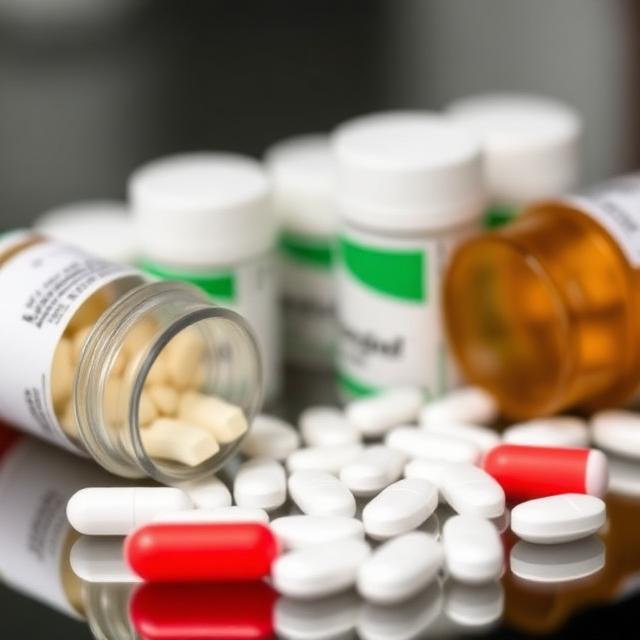
A parliamentary investigation has exposed how multinational drug makers are reaping windfall mark-ups in India’s medicine market, with routine formulations showing price gaps of 600% to nearly 1,900%, signaling what lawmakers describe as “a systemic failure of regulatory oversight.”
The findings land at a moment when India’s pharmaceutical sector—now worth $50 billion (₹4.2 lakh crore) and projected to more than double by 2030—faces growing criticism for pricing practices that push everyday treatments beyond the reach of low- and middle-income households.
The Standing Committee on Chemicals and Fertilizers, after months of testimony from the Department of Pharmaceuticals (DoP) and the National Pharmaceutical Pricing Authority (NPPA), concluded that multinational players have entrenched a pricing culture in which printed MRPs bear little relationship to production costs, distribution economics or competitive pressures.
The Committee noted that a common allergy tablet retailing at ₹21 (25 cents) costs stockists only ₹1.85 (2 cents), calcium supplements listed at ₹327 ($3.90) are procured at ₹16.95 (20 cents), and a standard acid-reflux drug marked ₹170 ($2.03) moves into the supply chain at ₹13.95 (17 cents). These disparities, it said, were not exceptional cases but “structural features” of the branded-generics market—dominated disproportionately by multinational companies with deep marketing muscle.
The report argues that India’s drug-pricing framework was effectively designed to sidestep the central question: how is the starting price set? Under the Drugs (Prices Control) Order, 2013, the NPPA can limit annual increases in non-scheduled drugs to 10% but cannot regulate the initial MRP. Companies are therefore free to set a launch price of ₹3,500 ($42) on a product that reaches stockists at ₹450 ($5.40), a gap legislators say amounts to legalized profiteering. “The law protects the escalation, but not the excessive base price,” the Committee wrote, calling this “regulatory architecture tailored for manufacturer discretion rather than patient welfare.”
Multinational firms, the report states, have been particularly adept at gaming this architecture—reformulating combinations, rebranding variants, and selectively avoiding the essential-medicines list that triggers price ceilings. The Committee highlighted cases where anti-diabetic or antibiotic combinations approached price control boundaries only to be replaced with slightly altered versions carrying high MRPs unrestrained by the DPCO’s essential-medicine criteria. This pattern, it said, allowed companies to “retain their profit pools while maintaining a veneer of compliance.”
The most troubling evidence came from the oncology segment. MPs cited examples of life-saving cancer drugs sold at MRPs of ₹38,215 ($459) but available online for ₹9,200 ($110); another carried a list price of ₹45,000 ($540) but could be purchased for ₹8,800 ($105). Such vast differences, lawmakers argue, can only be explained by inflated MRPs engineered to accommodate aggressive retail mark-ups—mark-ups enabled by the absence of any legally mandated trade-margin controls. The Department conceded it had no authority to audit manufacturing costs or verify margin structures, leaving regulators dependent on industry-supplied explanations that, according to the Committee, “reflect the interests of the multinational manufacturers, not the needs of patients.”
Even when regulators intervened successfully—as in the 2017 price cap on coronary stents, which brought drug-eluting stents down to ₹29,600 ($355) from prices that earlier exceeded ₹1.5 lakh—the gains have been eroded. Drug-eluting stents now cost ₹38,267 ($458), a 29% rise, while bare-metal stents have climbed 44% to ₹10,509 ($126). The Committee warned that such increases, combined with hospital billing practices and GST, risk restoring the cost barriers the price cap was meant to eliminate.
What most alarmed the panel, however, was the government’s prolonged paralysis over Trade Margin Rationalisation (TMR)—a mechanism that, when deployed briefly for 42 cancer medicines, cut MRPs by an average 50%, saving patients nearly ₹984 crore ($118 million) annually. Despite the success, a permanent TMR framework has stalled for five years in consultations dominated by multinational and large domestic firms. “A reform proven to reduce exploitative margins has been allowed to languish precisely because it threatens entrenched commercial interests,” the Committee said.
The government defended the status quo by pointing to India’s low average drug prices internationally and modest annual price inflation. But the Committee dismissed these arguments as misleading averages that conceal the predatory pricing of many branded generics controlled by multinationals. It noted that Jan Aushadhi outlets, operating under central procurement, sell the same molecules at 50% to 80% lower than branded equivalents—proof, lawmakers argued, that extreme MRPs are a policy failure rather than an economic inevitability.
The Committee’s recommendations signal an appetite for sweeping reform: granting NPPA the power to regulate trade margins across all drugs; legally enabling cost audits; mandating disclosure of supply-chain prices; and imposing strict oversight on online drug platforms, some of which appear to source products outside authorized distributor networks. The panel warned that without such interventions, multinational pharma firms will continue to operate in a regulatory environment that sanctions opaque margins and inflated MRPs.
“India markets itself as the pharmacy of the world,” the Committee concluded. “Yet its own citizens pay prices that reflect marketing ambition more than medical necessity. Until the government reins in MNC-driven margin structures, affordability will remain a slogan, not a reality.”
Related posts:
 Strengthening the Partnership with India is Key to Tackling the Global Synthetic Drug Crisis
 Middle East Crisis Yet to Dent India Inc, But Oil Price Surge a Concern
 Gold Market Eyes Festive Reset
 President Trump Unveils ‘Great Healthcare Plan,’ Promising Lower Drug Costs, Reduced Premiums, and Greater Transparency
