Join WhatsApp Channel

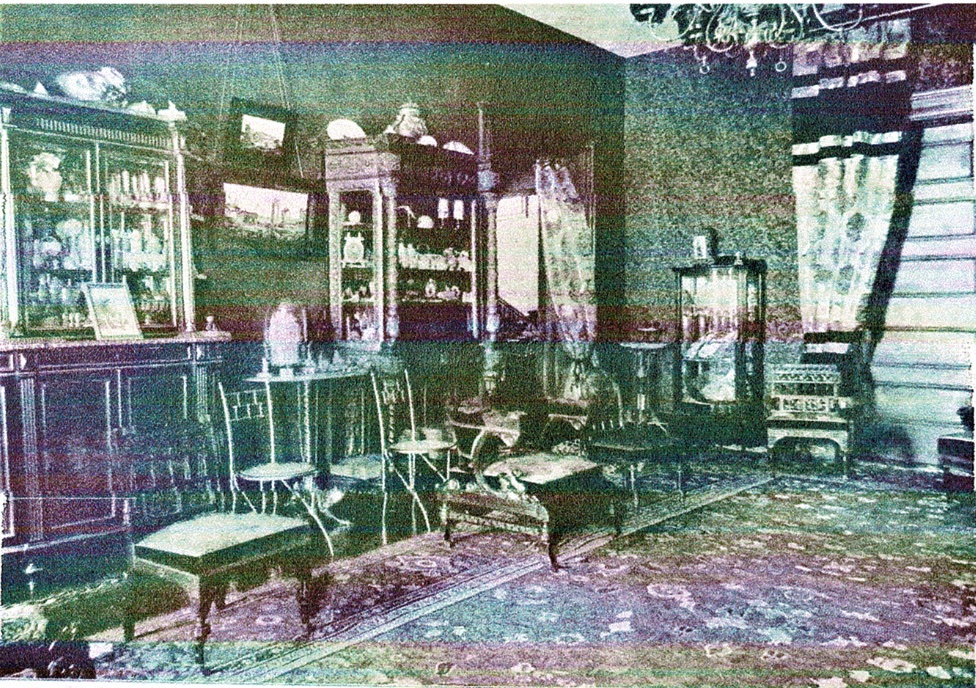
Julia Dent Grant—First Lady, world traveler, devoted wife, and quiet trailblazer—stands among the most remarkable women in American history. Yet, unlike many of her successors, she remains under-recognized in public memory. A commemorative plaque at her final Washington residence, 2111 Massachusetts Avenue NW, would be a meaningful step toward correcting that oversight.
Today, this building forms part of the Indian Embassy Chancery Complex, presenting a unique opportunity for a cross-cultural gesture that honors a pivotal American figure while celebrating the historic and ongoing friendship between India and the United States. Indian Americans, in particular, have compelling reasons to support and champion this initiative.
From Missouri Plantation to the White House
Born in 1826 on her family’s Missouri plantation, White Haven, Julia Dent came of age in a world marked by privilege and contradiction. Her early life unfolded amid the complexities of a nation grappling with its identity and moral responsibilities. In 1848, she married Ulysses S. Grant, then a young army officer whose future greatness had yet to emerge. Their marriage blossomed into one of the most enduring love stories in American history. Grant frequently credited Julia with bringing him the “sunshine” and emotional steadiness he desperately needed during his struggles with poverty, military setbacks, and personal uncertainty.
Courage and Devotion in the Civil War
The Civil War transformed both Ulysses and Julia Grant. When her husband reentered the Union Army in 1861, Julia refused to be a distant, passive observer. Defying social norms and wartime dangers, she traveled more than 10,000 miles over four grueling years to be near him—even bringing their four children along on many journeys. Her presence was a source of comfort and clarity for the general who would ultimately lead Union forces to victory.
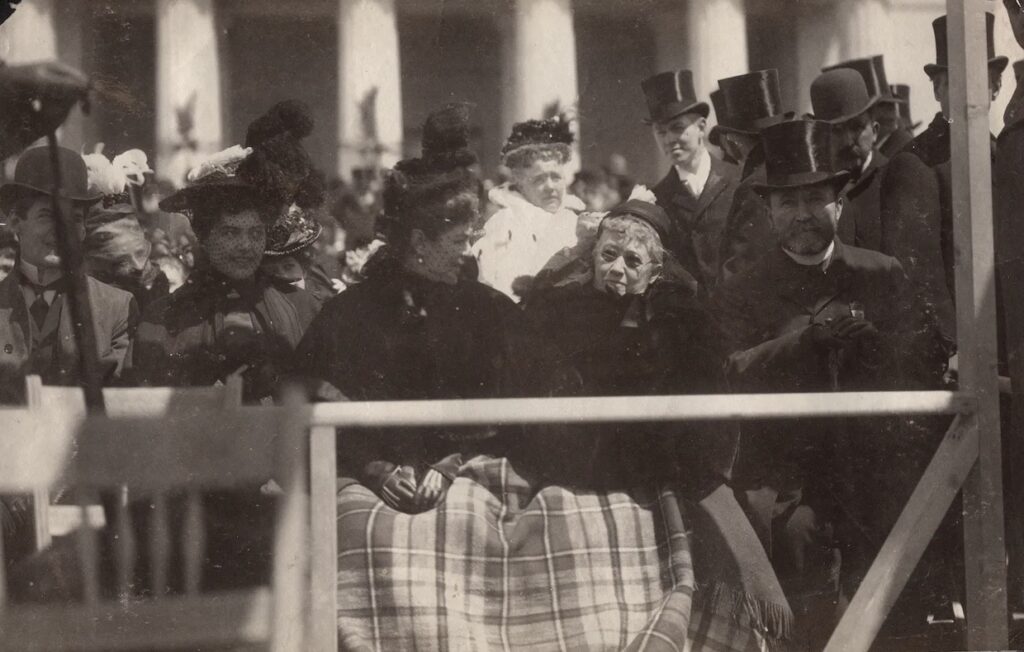
Her courage placed her in harm’s way more than once. She narrowly escaped Confederate forces and lived with the constant uncertainty that came with traveling near the front. Yet she persisted. In one of history’s ironic twists, Julia may have saved her own life—and her husband’s—by declining an invitation to join President and Mrs. Lincoln at Ford’s Theatre on April 14, 1865.
A Lively First Lady and Global Ambassador
From 1869 to 1877, Julia Dent Grant served as First Lady during one of the most transformative periods in American history. Warm, vivacious, and politically astute, she helped shape the social life of a nation still recovering from the trauma of war. Her receptions were renowned for their inclusivity and good cheer, bringing together citizens of diverse backgrounds at a time when unity was desperately needed.
After the presidency, the Grants embarked on a nearly three-year world tour that would become one of the most celebrated international journeys of the 19th century. Julia emerged from this odyssey not just as a former First Lady but as an emblem of American goodwill abroad. One of the highlights of the tour was the couple’s extended visit to India. Julia was captivated by the richness of Indian culture, the diversity of its people, and the majesty of its landscapes. In her memoirs, she wrote about India with uncommon warmth, noting it as one of her most cherished stops—a deeply personal link between her life story and the heritage of many Indian Americans today.
A Washington Legacy at 2111 Massachusetts Avenue
After Ulysses Grant’s death in 1885, Julia moved back to Washington, choosing it as her permanent home. She purchased and furnished the residence at 2111 Massachusetts Avenue NW with objects collected on her global travels—including items gathered during her memorable visit to India. The home became a gathering place for politicians, diplomats, military leaders, and cultural figures. Until her death in 1902, Julia played a central role in Washington society while quietly cementing her legacy as a pioneering First Lady. She also became the first First Lady to write and publish her memoirs, ensuring that her voice and perspective would endure in the historical record.
Today, the site that once housed her final home is incorporated into the Indian Embassy Chancery Complex—a fact that both deepens and amplifies the argument for commemoration.
Why Indian Americans Should Champion a Plaque in Her Honor
A plaque at 2111 Massachusetts Avenue NW would not simply correct an omission in American historical memory. It would also serve as a powerful symbol of U.S.–India friendship and shared democratic values.
India’s embassy has already demonstrated its appreciation for historical symbolism. Visitors to the Embassy’s main hall see photographs of Indian Prime Minister Jawaharlal Nehru and U.S. President John F. Kennedy—leaders whose partnership shaped an early chapter of modern Indo-American relations. Honoring Julia Dent Grant would extend this tradition by recognizing a woman whose life intersected with global diplomacy long before such roles existed for First Ladies.
Moreover, Julia’s documented admiration for India—expressed in her memoirs and reinforced by her experiences during the Grants’ world tour—provides a natural bridge between her legacy and the Indian American community. Supporting a plaque in her honor allows Indian Americans to affirm that they celebrate not only their own heritage but the American historical figures who valued and respected India long before the modern diaspora took shape.
For the Indian Embassy, installing such a plaque would be a gracious act of cultural goodwill. It would show that the Embassy respects the historical significance of the land it now occupies, and that it honors figures from America’s past with the same dignity given to India’s own leaders. In doing so, India would strengthen its diplomatic narrative: one of mutual respect, shared history, and enduring partnership.
A Lasting Symbol on Embassy Row
Embassy Row is one of Washington’s most storied avenues. A plaque honoring Julia Dent Grant at her final residence would not only restore her rightful place in the capital’s history but also stand as a lasting symbol of the friendship between two great democracies.
For Indian Americans, advocating for this commemorative effort is a chance to affirm both an American legacy and a connection that Julia herself once cherished. Her story—and her final home—deserve nothing less.
Disclaimer: The opinions and views expressed in this article/column are those of the author(s) and do not necessarily reflect the views or positions of South Asian Herald.
Related posts:
 Strengthening Global Ties: Commonwealth of Massachusetts Welcomes Nita Ambani
 TiE Boston’s Young Entrepreneurs Academy Receives $105,000 Grant From Cummings Foundation
 Writers Theatre Presents “Dhaba on Devon Avenue” an Emotionally Powerful South Asian Theatrical Feast
 Middle East Crisis Yet to Dent India Inc, But Oil Price Surge a Concern