Join WhatsApp Channel

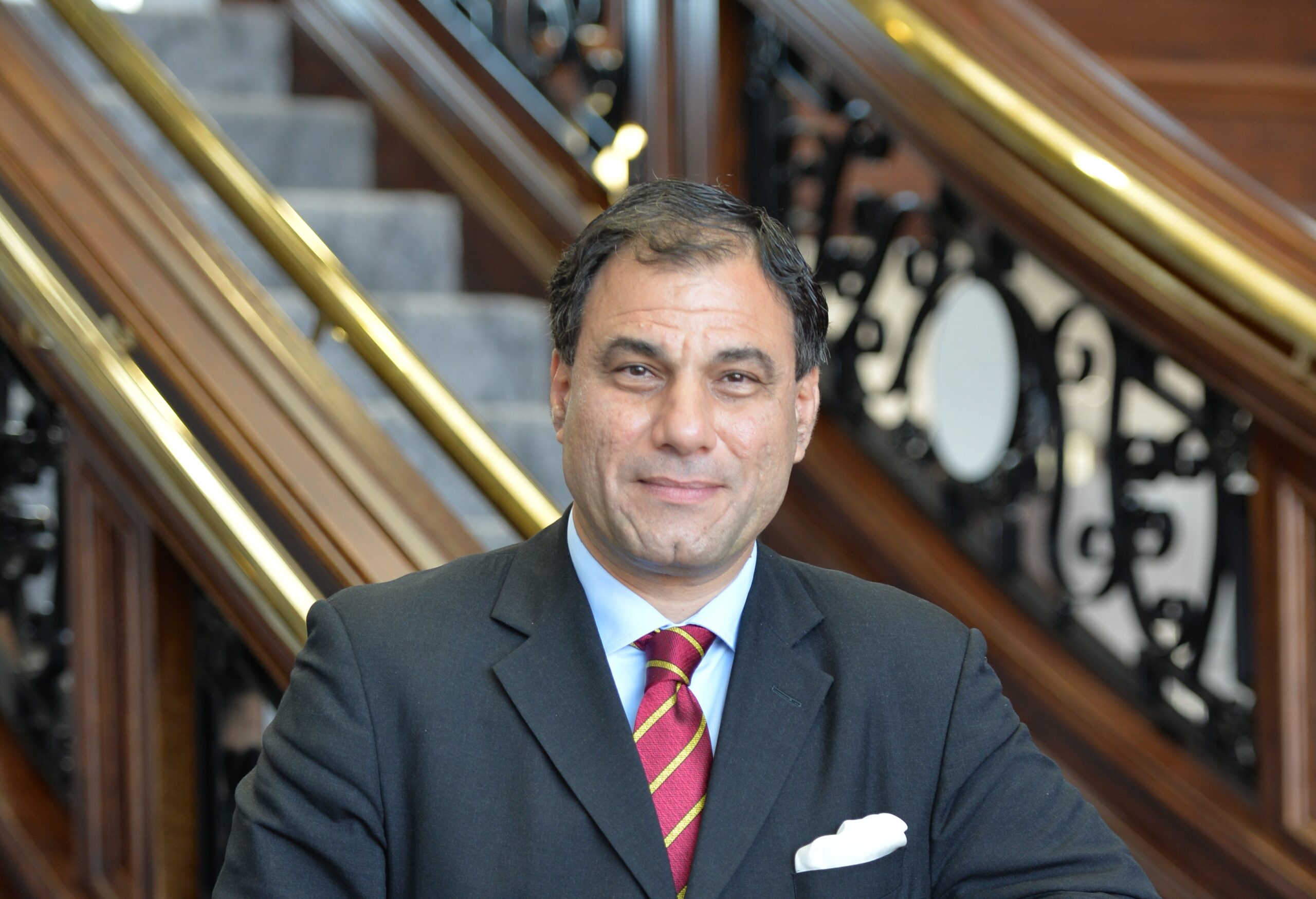
The India-UK relationship stands at an important juncture, a partnership rooted in shared democratic ideals, economic potential, and deep people-to-people bonds. Lord Karan Bilimoria is a Member of Parliament in the House of Lords and has contributed immensely to India-UK business and diaspora relations over the decades. He has also been a beacon of entrepreneurship and leadership in the community.
During this exclusive interview with South Asian Herald, Lord Bilimoria shares his outlook for a vigorous partnership, one built on dialogue, economic synergy, and trust.
Lord Bilimoria is a British Indian businessman, member of the House of Lords, and former Chancellor of the University of Birmingham. He is an entrepreneur, a passionate advocate for business, education, and international cooperation. From serving as President of the Confederation of British Industry and Founding Chairman of the UK India Business Council, to becoming the first Zoroastrian Parsi in the House of Lords, he has spent the last three decades building bridges between countries, communities, and generations of entrepreneurs. He is an Honorary Fellow at Cambridge, Visiting Fellow at Oxford, and deeply committed to supporting future leaders.
A New Chapter in India–UK Economic Partnership
The India–UK Free Trade Agreement marks a pivotal shift in a long‑evolving relationship. As Lord Bilimoria reflects, “The India–UK Free Trade Agreement is a strategic milestone. It took three and a half years; it started when I was the President of the Confederation of British Industry, in January 2022.”
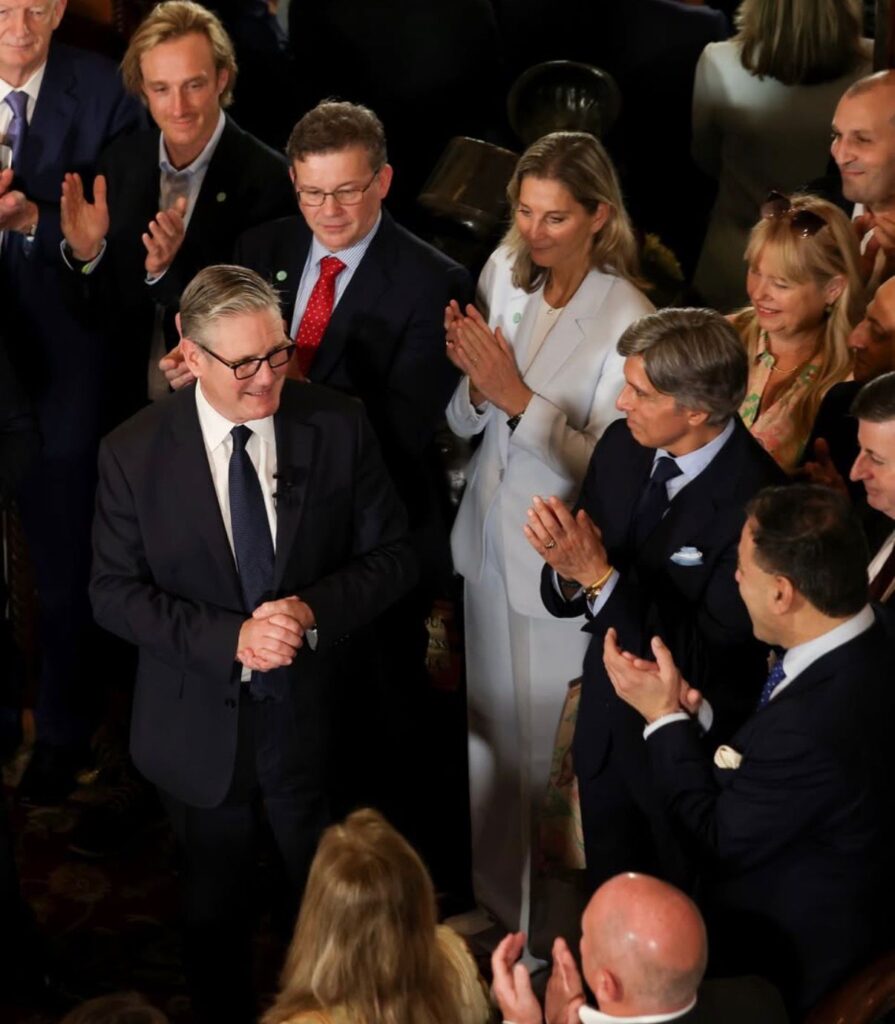
India the world’s fourth‑largest economy and soon the third, currently engages in £43 billion worth of bilateral trade with the UK. Yet, he notes, “India is only the 11th largest trading partner of the UK; it should be one of the handful of largest trading partners.”
Momentum is now building rapidly. “Prime Minister Keir Starmer’s delegation to India was one of the largest business delegations ever the first Prime Minister–led delegation in nine years,” says Bilimoria. In his view, the coming years will be transformative: “I am confident that bilateral trade in goods and services will double over the next five years to £80 billion.”
On the sectoral gains, he explains, “For the UK, reduced tariffs on products like Scotch whisky and easier access for services will be transformative. For India, expanded opportunities in textiles, engineering goods, jewelry, and agrifood will be significant.”
But for him, the true promise lies beyond tariff lines: “There are huge opportunities in services, mobility, and digital trade. Together, we can set global benchmarks for innovation, skills, and ethical growth.”
Calling this a turning point, he adds, “This FTA turns our long‑standing friendship into a results‑driven partnership.”
From Back Office to Brain Office: India’s New Role in Global Innovation
India’s emergence as a global innovation engine is unmistakable. “India has moved from being the world’s back office to being the world’s brain office,” Lord Bilimoria says. Over 1,600 Global Capability Centers many backed by British investment now drive AI research, product development, cybersecurity, and advanced analytics.
Looking ahead, he identifies the three pillars of the next phase: “Our relationship will be built on investment, innovation, and interoperability.” British capital, he argues, “aligns beautifully with Indian talent and scale,” enabling “a true fusion of creativity and capacity.”

Education has become a crucial frontier. “The UK is a first mover, with 10 universities already opening or committing to open campuses in India,” he notes. Nine Vice Chancellors joined the Prime Minister’s recent delegation.
Lord Bilimoria’s own academic outreach reflects this expanding vision. “I led the first delegation of UK business schools to India in September with 33 schools participating,” he says. Joint research between Indian and British institutions is especially promising: “Cross‑border bilateral research has a field‑weighted impact three times higher than research conducted individually.”
Diaspora as a Living Bridge
The Indian diaspora nearly 2 million strong in the UK remains central to the bilateral story. Lord Bilimoria calls it “one of Britain’s greatest success stories.” He elaborates: “Indians have reached the very top be it in the NHS, the City of London, technology, academia, or public service. The diaspora strengthens Britain’s economy, diversity, and global outlook.”
Crucially, it also deepens bilateral ties. “The diaspora has been an extraordinary bridge between India and the UK promoting trade, philanthropy, and cultural understanding.”
For him, the next generation is the biggest opportunity: “They are proudly British and proudly Indian, and they will lead in business, politics, and education.”
Navigating Contemporary Immigration Debates
As anti‑immigration sentiment enters mainstream discourse, Lord Bilimoria offers clarity: “We must differentiate between illegal migration, which must be controlled, and legal migration, which enriches us.”
He continues, “International students should be removed from net migration figures they are temporary contributors who strengthen our universities and soft power.”
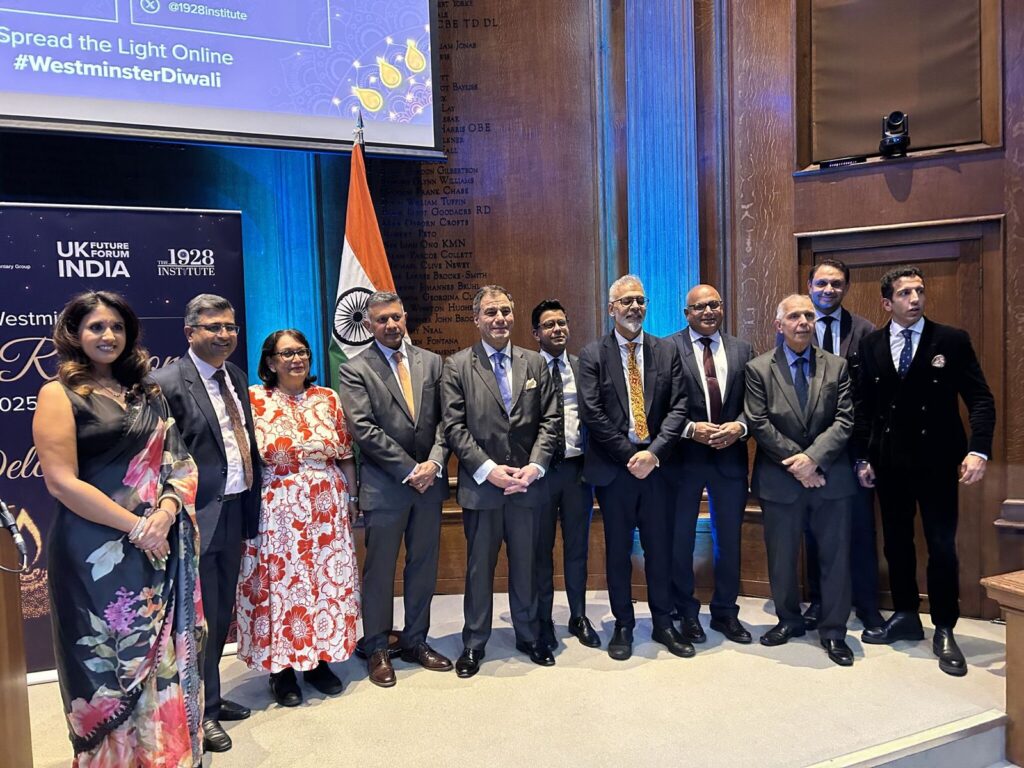
Indians form the largest cohort of international students and skilled workers under the UK’s points‑based system. Their contributions, he emphasizes, are indispensable: “Without the contribution of the 16% ethnic minority population, the UK would not be the 6th largest economy in the world.”
A Parliamentarian’s Impact: Championing Students and Strengthening Ties
Among his initiatives, Lord Bilimoria is unequivocal: “My proudest achievement has been championing international students.” He spearheaded the creation of the two‑year post‑study work visa in 2007 and fought for its reinstatement after its removal in 2016. “It has taken years of persistence,” he says, “but it has restored Britain’s image as a welcoming destination.”
He is equally proud of his long‑standing advocacy for the India–UK FTA: “Seeing the Free Trade Agreement come to fruition after advocating for it for over two decades gives me immense satisfaction.”
His leadership during COVID‑19 was also significant. As President of the Confederation of British Industry, he pushed for the widespread distribution of free lateral‑flow tests: “This ended up being so popular that we ran out at the end of 2021.”
Entrepreneurship in the Age of AI: Opportunity, Not Fear
Despite global apprehensions surrounding Artificial Intelligence, Lord Bilimoria remains optimistic. “Every technological revolution from electricity to the internet created new fears but ultimately generated more opportunities.”
He views AI as an enabler: “AI can level the playing field for entrepreneurs everywhere.” With the UK’s strength in regulation and India’s digital leadership, he sees “a story of collaboration and prosperity.”
His message to young innovators is clear: “Don’t fear AI master it, and let it amplify your creativity.”
A Shared Future Built on Trade, Talent, and Trust
India and the UK now stand at a defining moment. Their partnership has moved beyond transactional exchanges into a deeper alignment of values, capabilities, and long‑term ambitions.
As Lord Bilimoria puts it, the goal is simple yet powerful: “To turn our shared potential into shared success.”
Related posts:
 OFIC Urges Canada to Fast-Track CEPA Talks as British Columbia Trade Mission Arrives in India
 B.C. Trade Mission to India Advances Technology, Life Sciences, and Energy Partnerships Amid U.S. Trade Uncertainty
 ‘Indiaspora Forum for Good’ to Unite Global Indian Leaders for Actionable Solutions, Collaboration, and Innovation
 In Conversation with Rajesh Mehta: High Commissioner Dinesh Patnaik