 Join WhatsApp Channel

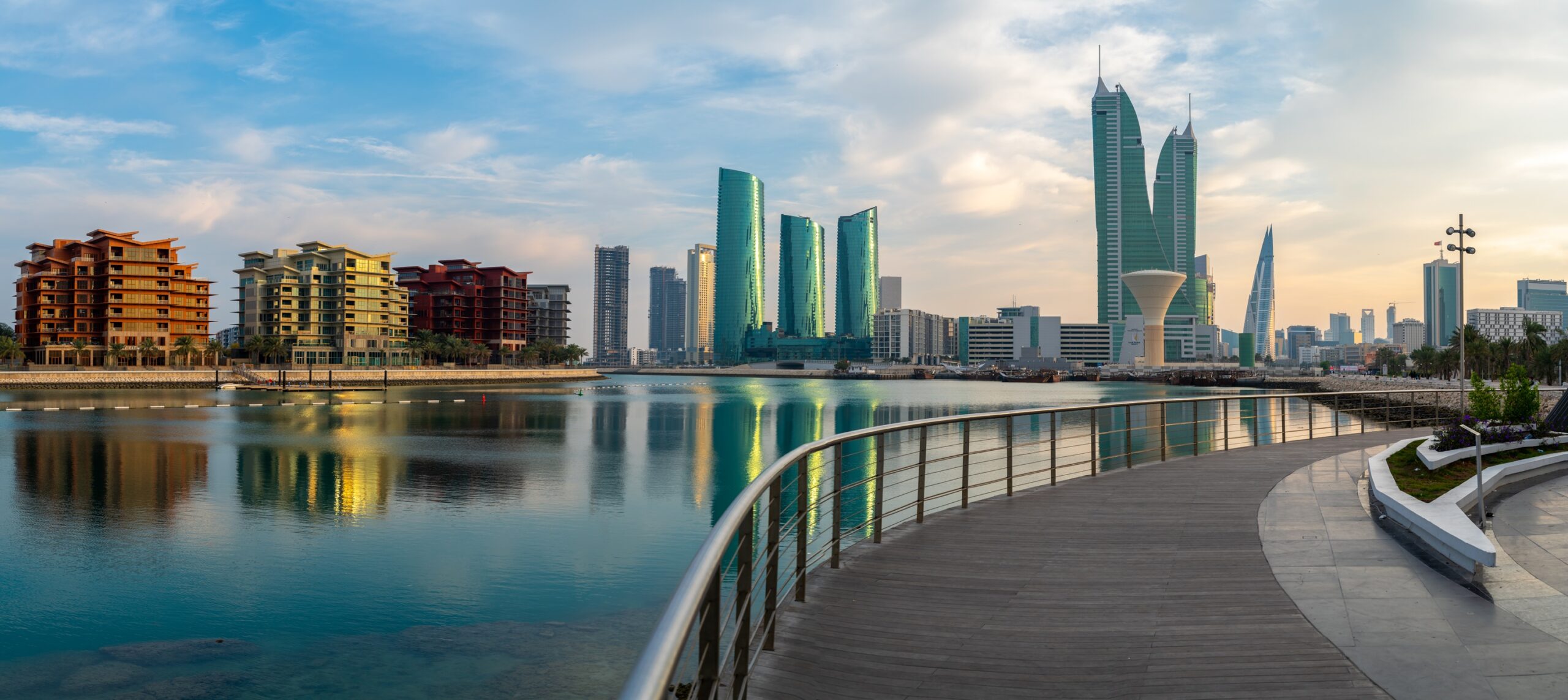
Bahrain is making a renewed bid for global investors, softening the price of entry into its Golden Residency program and signaling a broader shift in how Gulf states are competing for long-term residents.
According to a press release from the Nationality, Passports and Residence Affairs (NPRA), the minimum property investment required for the coveted residency status has been trimmed to USD 345,000 — a sizeable drop from the earlier USD 530,555. The move is being positioned not merely as a tweak to immigration rules but as a strategic push to widen the pool of investors and inject fresh energy into the kingdom’s real estate sector.
The announcement landed during the Cityscape exhibition, where Bahrain has been courting developers and foreign buyers with a mix of policy reform and soft-power messaging. At the venue, amid model towers and pitch decks promising walkable marinas and smart neighborhoods, the revised threshold was the topic reverberating across booths. Many developers said privately that the previous bar was out of sync with market realities, especially as neighboring economies ramp up their own residency-linked investment programs.
In its press release, the NPRA framed the revision as a “measured and competitive adjustment” — one intended to preserve the program’s premium positioning while allowing more qualified investors to step through the door. Shaikh Hisham bin Abdulrahman Al Khalifa, Undersecretary for Nationality, Passports and Residence Affairs, said the change underscores Bahrain’s intent to build “an enabling environment for global investors seeking stability and long-term opportunities.”
Balancing exclusivity with expansion
The challenge for Bahrain is delicate: loosening entry rules without weakening the prestige of the Golden Residency label. Officials insist that the program’s other requirements — steady income, pension criteria, and professional credentials — anchor the system and filter applicants effectively.
The residency pathway remains accessible not only to property investors but also to expatriates who have lived and worked in Bahrain for at least five years and earn an average salary above BHD 2,000 (about USD 5,306) a month. Retirees who spent 15 years in Bahrain and draw a pension of BHD 2,000 qualify as well, along with overseas retirees receiving more than BHD 4,000 (USD 10,624) monthly. A separate channel caters to entrepreneurs, high-skilled professionals and individuals who contribute significantly to the national economy.
That mosaic of entry points is part of Bahrain’s wider long-term strategy: attract both capital and talent, and channel them into sectors where the kingdom sees future advantage — fintech, logistics, specialized manufacturing and high-value services.
A signal to the market
Developers say lowering the real estate threshold could lift sentiment in a market that is stable but not soaring. Bahrain’s property sector, while smaller than that of Dubai or Riyadh, has been leaning on master-planned communities and waterfront developments to court foreign buyers. The new rules, while not a magic bullet, could nudge more investors to treat Bahrain as an affordable Gulf base with easy connectivity and fewer bureaucratic frictions.
Policy analysts note that the revised threshold also brings Bahrain closer to rivals offering similar residency products at competitive entry points. “This is Bahrain saying: we’re in the game — and we’re serious about staying attractive,” one consultant at Cityscape remarked. “Investors today compare across borders; a program can’t be priced too far out of the regional band.”
What applicants gain
According to the NPRA release, Golden Residency holders enjoy long-term stay rights, multiple-entry ease, simplified procedures for setting up businesses, and the ability to sponsor family members — perks that have grown more important as globally mobile professionals look for stability in geopolitically fluid times.
For Bahrain, the bet is straightforward: more investors, more residents with disposable income, more momentum in its mid-size but strategically placed economy.
Whether the lower bar unlocks a new wave of investors will become clear over the coming quarters. But for now, the move has injected fresh buzz into a market searching for its next catalyst — and signaled that Bahrain is prepared to recalibrate fast as the Gulf’s residency race heats up.
Related posts:
 Bridging Cultures and Strengthening Partnerships: Reflections on the Indian American Delegation to UAE and Bahrain
 Economic Stability Improves in Nepal as Inflation Eases, Trade Expands
 India Inc Clocks $10.6 Billion in October Deals, Led by Banking and Infrastructure Sectors
 War Clouds Over the Gulf Put Dubai’s $250 Billion Property Market on Watch
