Join WhatsApp Channel

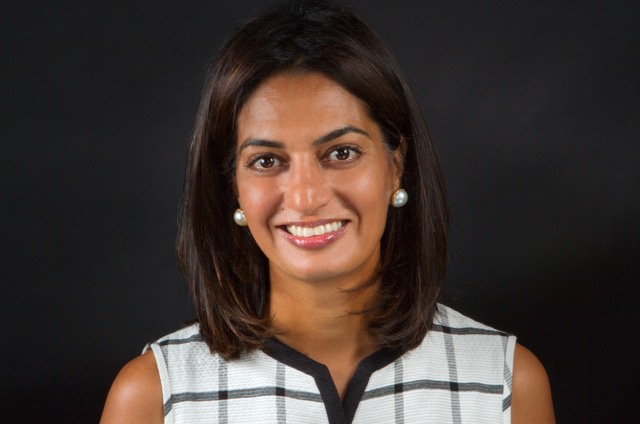
Negotiation is in India’s DNA. It is not about ultimatums or contracts slapped down on the table. It is not transactional. It is relational. It starts with a comfortable seat, an offer of chai and biscuits or samosas, and the unspoken understanding that this will take time. The aim is not simply to win, but to do the deal well.
I have seen this up close my whole life. My mother, who turns 83 this week, just a day after India celebrates 79 years of independence, is still one of the most formidable negotiators I know. She was born before Partition, during World War II, and became a refugee at the age of five when her family moved to New Delhi. Later, she married my father and moved to the United States in the 1960s, raising three children while navigating a new culture.
Even after decades in America, she never lost her instinct for negotiation. She followed the price of gold daily. On a business trip to the Middle East years ago, she sent me to the gold souk to buy her a gold bar. I came back with a gold bar at the listed price. She was disappointed, not because I hadn’t saved money, but because I hadn’t negotiated hard. To her, I was a naïve, American-born kid who missed the point. It wasn’t just about the price. It was about the back-and-forth, the connection, and the mutual respect that comes from a proper negotiation.
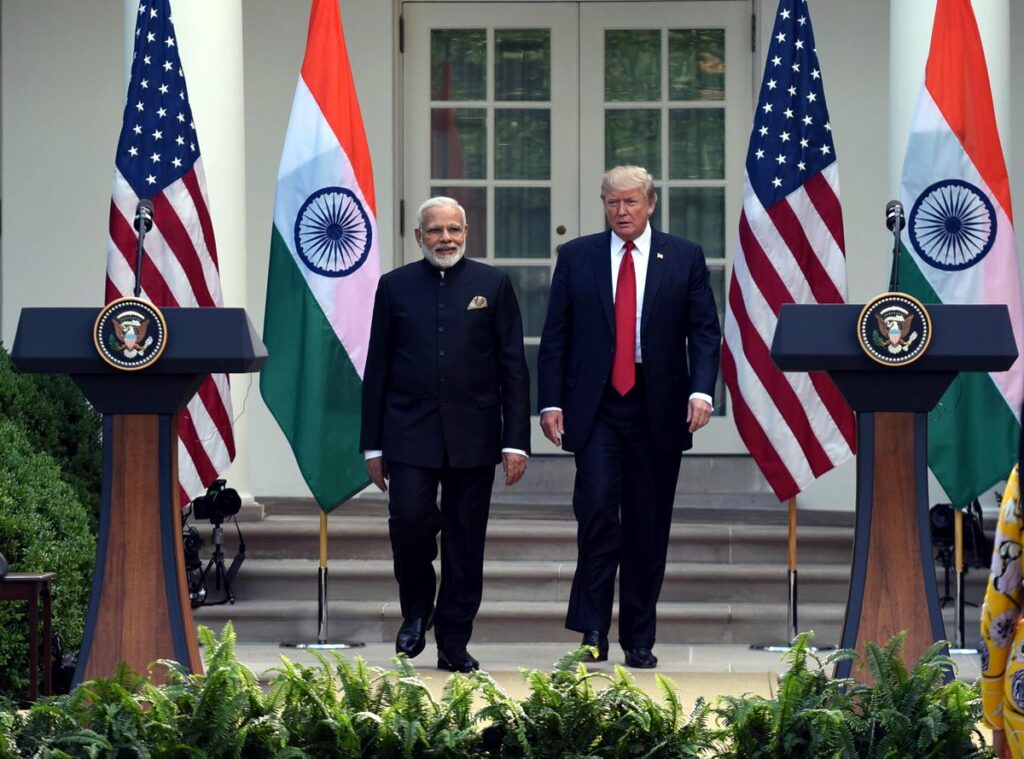
That mindset, honed over centuries in Indian markets, is playing out today on the world stage. In the current U.S.–India trade talks under US President Donald J. Trump, both sides are pursuing what they believe is the best possible deal. Trump prides himself on “the art of the deal.” In India, negotiating has been elevated into an art form perfected over centuries.
The stakes are high. Many warn that if this deal is not fair and equitable, it could set U.S.–India relations back years, undoing decades of progress. This partnership has taken time to build, weathering changes in governments, global economic crises, a pandemic, and shifting geopolitical priorities. Leaders in both Washington and New Delhi have called it, “the most consequential relationship” of our time. That doesn’t happen without some friction. Tariffs, supply chain realignments, and geopolitical shifts are all in play.
Business leader Anand Mahindra, chairperson of the Mahindra Group, posted on X on August 6, 2025, likening the escalating tariff tensions to a modern-day Manthan, the mythical “churning of the ocean” that yields both poison and Amrit (elixir). He argued that India should turn this into a catalyst for bold reform, drawing economic nectar from turbulence rather than reacting in fear.
As the stakes rise, the conversation is growing more complex. U.S.–India trade talks have entered the mainstream, no longer confined to diplomats, business leaders, and policy wonks. In the United States, Indian Americans are no longer a monolithic Democratic voting bloc. They are active in both parties, influencing campaigns as donors, policymakers, and elected officials. This political realignment is visible even in Silicon Valley, where a growing number of prominent figures have embraced more conservative positions.
In India, a culture of public debate flourishes, what Nobel laureate Amartya Sen calls its long-standing “argumentative tradition,” as explored in his The Argumentative Indian. Public discourse spans a wide spectrum, from seasoned trade and economic experts to those amplifying unverified claims. This crowded arena leads to a critical question: who controls the U.S.–India narrative?
If we want these talks to succeed, we need more than political posturing. We need informed, historically grounded, and culturally fluent engagement. The art of negotiation, Indian style, has something to teach here. It is about listening as much as talking. It is about understanding the other side’s needs, building trust, and finding creative solutions. It is about playing the long game.
As India turns 80 next year and the United States turns 250, negotiate with patience, cultural fluency, and a shared vision, and this partnership will not only endure but could help define the next century.
Disclaimer: The opinions and views expressed in this article/column are those of the author(s) and do not necessarily reflect the views or positions of South Asian Herald.