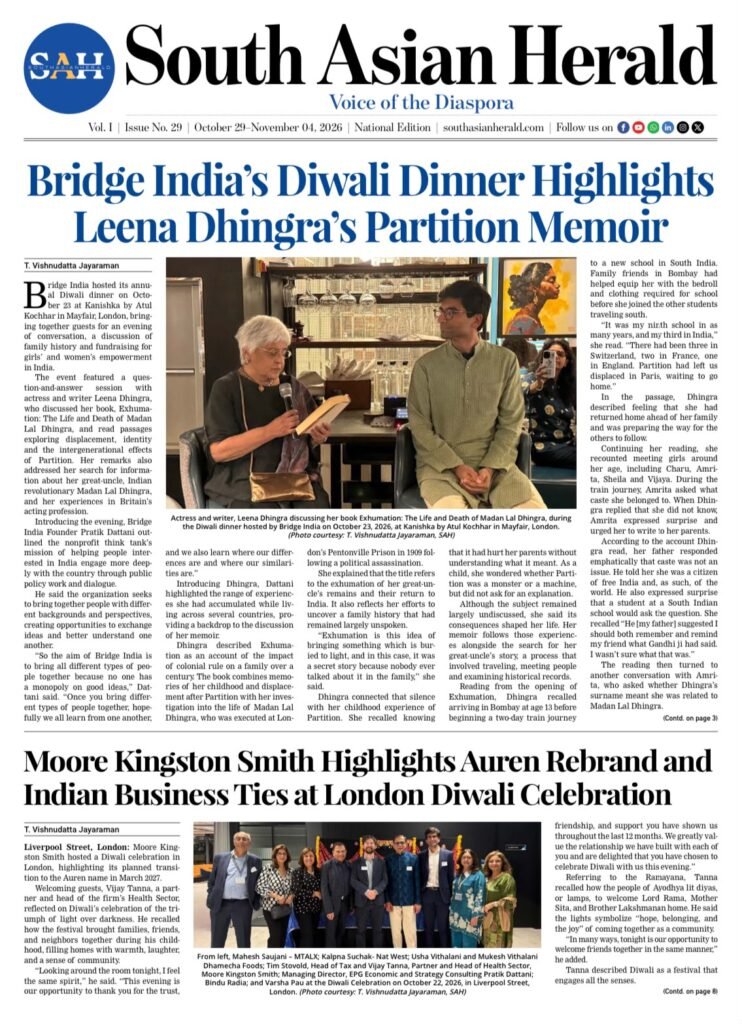
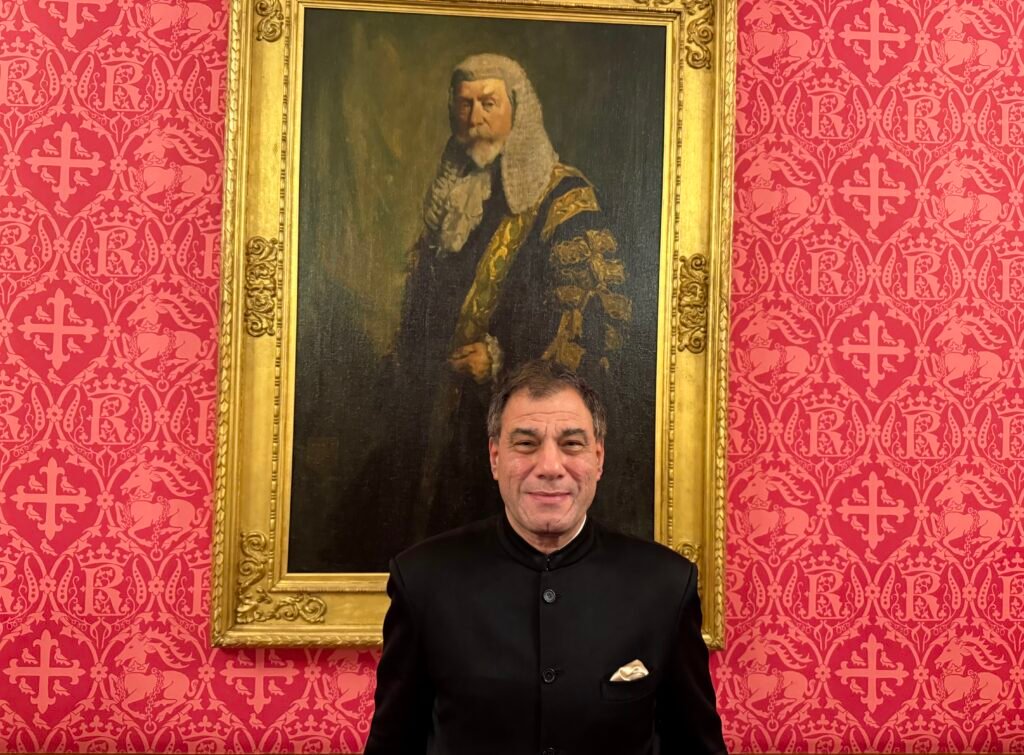
In an exclusive interview with South Asian Herald at an Indiaspora Diwali reception on October 30, at the House of Lords in London, Lord Karan Bilimoria, founder of Cobra Beer, discussed opportunities to deepen India-UK relations through trade, defense cooperation, education, and entrepreneurship. He described trust, mutual respect, and the Indian diaspora’s contributions as central to the partnership, while emphasizing the potential for stronger commercial ties.
Bilimoria also spoke about more than two decades of work connecting the two countries, his recent engagements in India and Singapore, and his family’s military legacy. From South Asian service during the world wars to the entrepreneurs who helped shape Britain’s restaurant industry, he highlighted the community’s enduring influence on British society and the role of organizations such as Indiaspora in bringing its members together.
What is the significance of the Indiaspora Diwali reception you are hosting today at the House of Lords, and how does the organization bring the global Indian diaspora together?
I have spent a large part of my life working to bring India and the UK closer together. Through that work, I discovered Indiaspora, founded by M.R. Rangaswami in Silicon Valley. It has grown into a global organization, bringing people together through gatherings in places such as Abu Dhabi and Bengaluru, as well as through its presence here in the UK.
Advertisement
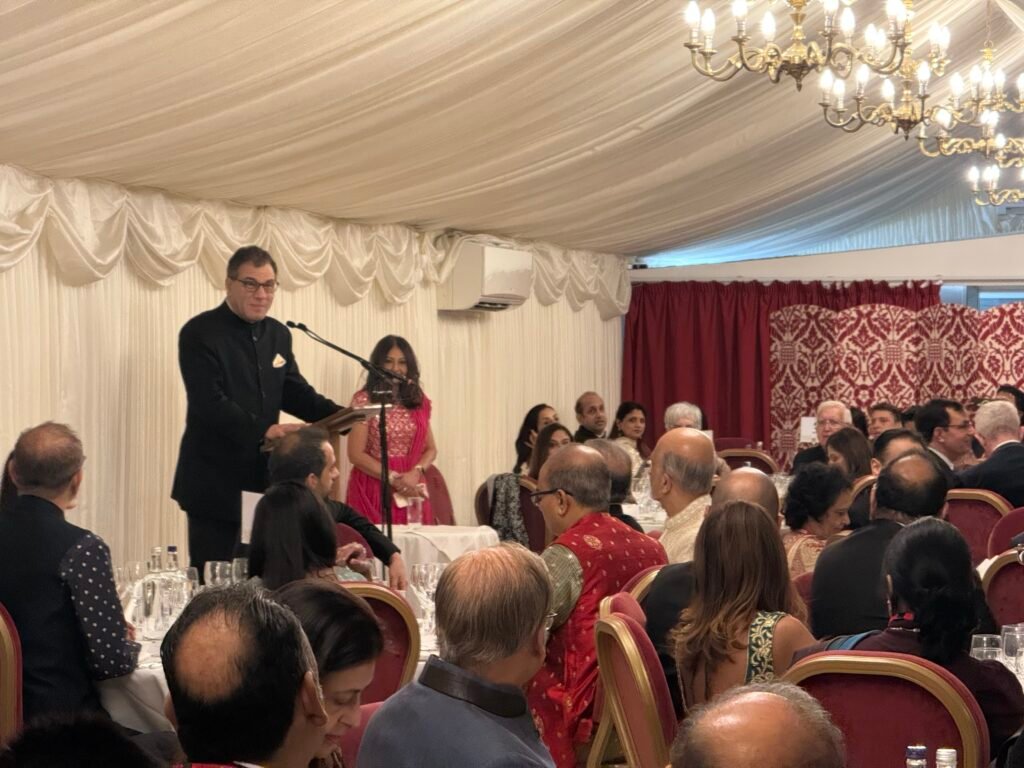
I am proud to host this dinner at the House of Lords. Look at the people gathered in this room: current and former parliamentarians, business leaders, and accomplished individuals of Indian origin from many different fields. That is the power of Indiaspora. It connects people, champions the diaspora, and helps the world understand its contributions.
With approximately 35 million people spread across some 200 countries, the Indian diaspora has a remarkable global presence. Its achievements are something we can all be proud of.
How would you describe the significance of the India-UK relationship and the diaspora’s role in strengthening it?
We have a very special relationship that goes back more than 400 years, to when Sir Thomas Roe presented his credentials to Mughal Emperor Jahangir in Ajmer in January 1616, after arriving in Surat in September 1615.
Today, we are two of the world’s largest economies. The UK has approximately 70 million people, while India is more than 20 times larger, with about 1.45 billion. Yet we share mutual respect and are both global powers. India is the fastest-growing major economy, while the UK remains a major economic force despite having less than 1 percent of the world’s population.
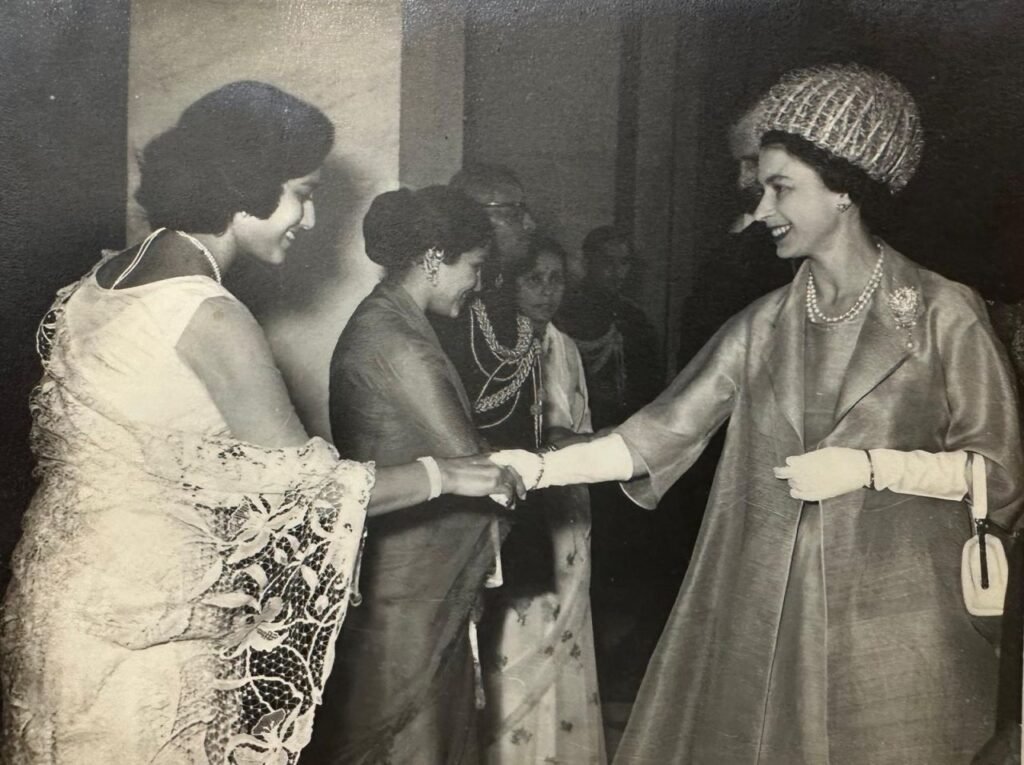
The nearly 2 million people of Indian origin in the UK form a living bridge between our countries. They are one of Britain’s most successful communities.
We have had a prime minister, cabinet ministers, and parliamentarians of Indian origin. We have people excelling in cricket and other sports, arts and culture, film, law, medicine, literature, journalism, and business.
People of Indian origin also lead some of the biggest companies operating in this country. Barclays is one example. Deutsche Bank’s UK business is another, and Shell’s UK business was, until recently, also led by someone of Indian origin. These contributions demonstrate the depth of the relationship.
As the founder of Cobra Beer, how do you view the diaspora’s evolving relationship with India and the opportunities for bilateral trade and investment?
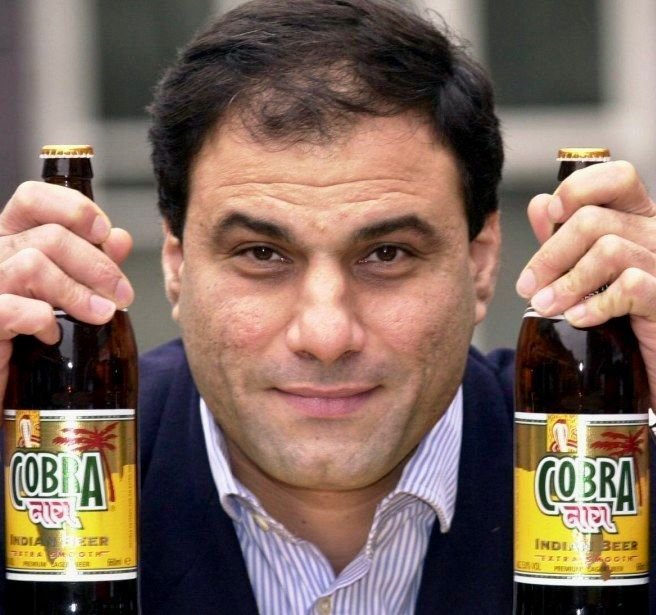
I created Cobra Beer, which has become a household brand in the UK. In earlier years, those of us who left India were sometimes seen as having deserted the motherland or as part of a brain drain.
That attitude changed significantly with the first Pravasi Bharatiya Divas, launched by Prime Minister Atal Bihari Vajpayee in 2003. Over the past 23 years, India has increasingly embraced the success of its diaspora, encouraging people to return, visit, invest, do business, and serve as permanent ambassadors for the country. That is how many of us feel. You can leave India, but India never leaves you. In the past 14 months, I have visited India 14 times. I love it. I feel at home there, just as I feel at home here.
Indian companies have invested heavily in the UK and employ hundreds of thousands of people. Businesses within the Tata group, including Jaguar Land Rover and Tata Steel, contribute through employment, investment, and taxes.
Similarly, British companies have established substantial operations in India. JCB is a prominent example, supporting employment and continuing to grow. The free trade agreement, which I personally worked on for three and a half years, represents a major opportunity. The trade agreement was signed on July 24, 2025, and entered into force on July 15, 2026.
Bilateral trade is approximately £45 billion, but India is only the UK’s 11th-largest trading partner. Given the size of our economies, India should be among Britain’s leading trading partners. The potential is enormous. We want to double trade to $100 billion by 2030. Over the next four to five years, India should become one of the UK’s biggest trading partners. That is where the relationship deserves to be.
Where do you see the greatest opportunities to expand India-UK defense cooperation?
We already conduct joint exercises involving the Royal Air Force and the Indian Air Force, the Royal Navy and the Indian Navy, and our armies. We should expand those exercises and increase exchanges between military officers. There is also considerable scope for cooperation in defense manufacturing. The UK has world-class capabilities in advanced defense technology, including nuclear submarines and aircraft.
We can partner with India through Make in India initiative and support Prime Minister Narendra Modi’s ambition to expand manufacturing’s contribution to the economy. Defense manufacturing requires trust. You undertake that kind of cooperation with a country you regard as a trusted partner, and that trust exists between India and the UK. The potential is huge. We can do much more than we are doing now, and I believe we will.
Your recent visits to India have included business school delegations and policy discussions. What have those engagements focused on?
This year, I led a delegation representing 43 UK business schools to India. I also helped lead a delegation last year. We participated in a conference in Delhi with 33 Indian business schools, including the Indian Institutes of Management. Chandrajit Banerjee, director general of the Confederation of Indian Industry, addressed the gathering.
We then traveled to Hyderabad, where we met the chief minister and education officials. British universities are already operating in India, with business education a major focus. Business is also among the most popular subjects for Indian students studying in the UK. Following last year’s delegation, we saw universities establish a presence in Gujarat International Finance Tec-City. After this year’s visit, I hope we will see universities explore opportunities in Hyderabad, my home city. That would be wonderful.
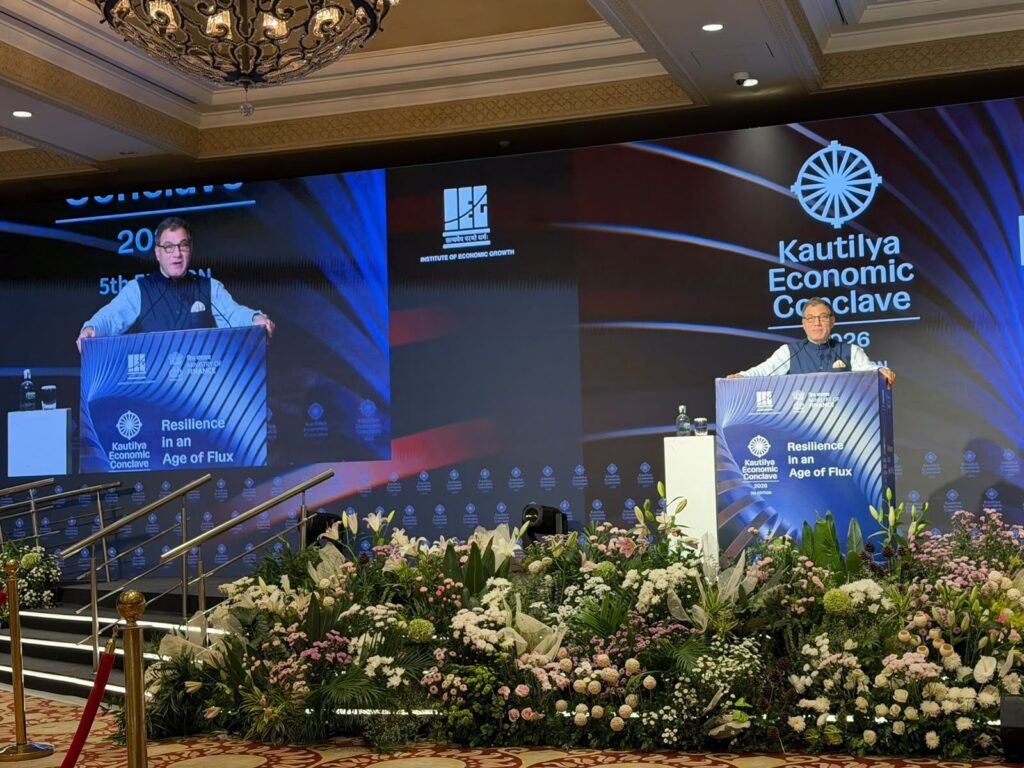
I also returned to India to speak at the fifth Kautilya Economic Conclave, which brought together economists, ministers, and financial leaders from around the world. Nearly 100 of us spoke during the three-day event. The conclave was hosted by Finance Minister Nirmala Sitharaman, and my friend N.K. Singh, a former chairman of the Finance Commission and former Rajya Sabha member, played a leading role in the conference. External Affairs Minister S. Jaishankar also spoke, and I chaired a session with India’s tourism and culture minister.
What made your visit to Rashtrapati Bhavan and your father’s regiment particularly meaningful?
My father, Faridoon Noshir “Billy” Bilimoria, served in the Gorkhas. He commanded the 2nd Battalion of the 5th Gorkha Rifles, Frontier Force, including in battle during the liberation of Bangladesh.
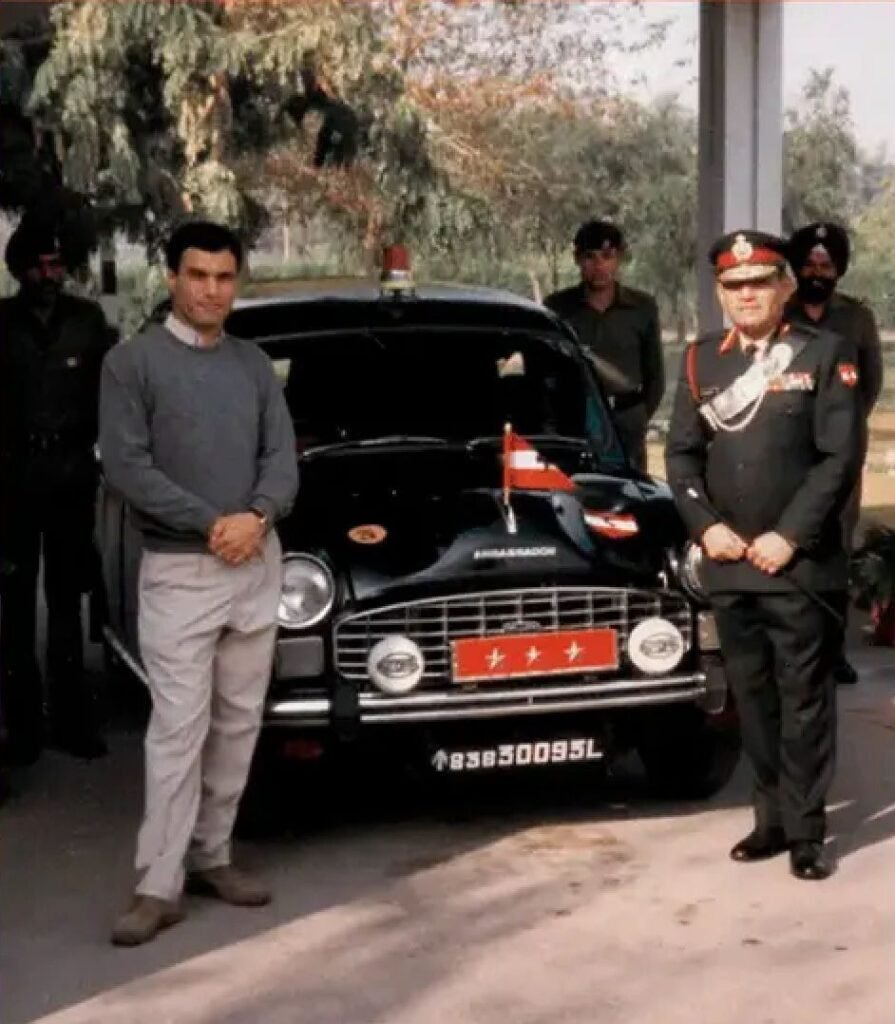
He later became General Officer Commanding-in-Chief of the Indian Army’s Central Command, with approximately 350,000 troops under his command. He also oversaw the withdrawal of the Indian Peace Keeping Force from Sri Lanka. I believe that withdrawal was the right decision. The conflict continued for another 20 years, and our troops were becoming increasingly bogged down. I am very proud of my father and what he did.
As a young captain, my father served as aide-de-camp (ADC) to India’s first president, Dr. Rajendra Prasad.
During the Kautilya Conclave, I took time to visit his regiment, the 5th Gorkha Rifles, whose personnel were on guard duty at Rashtrapati Bhavan. I commended them for protecting the president and the presidential residence. I also visited the areas where my parents had lived, met the aides-de-camp, and entered the office where my father had worked as a captain. It was a deeply personal experience.
Your travels also took you to Singapore. What were the highlights of that visit?
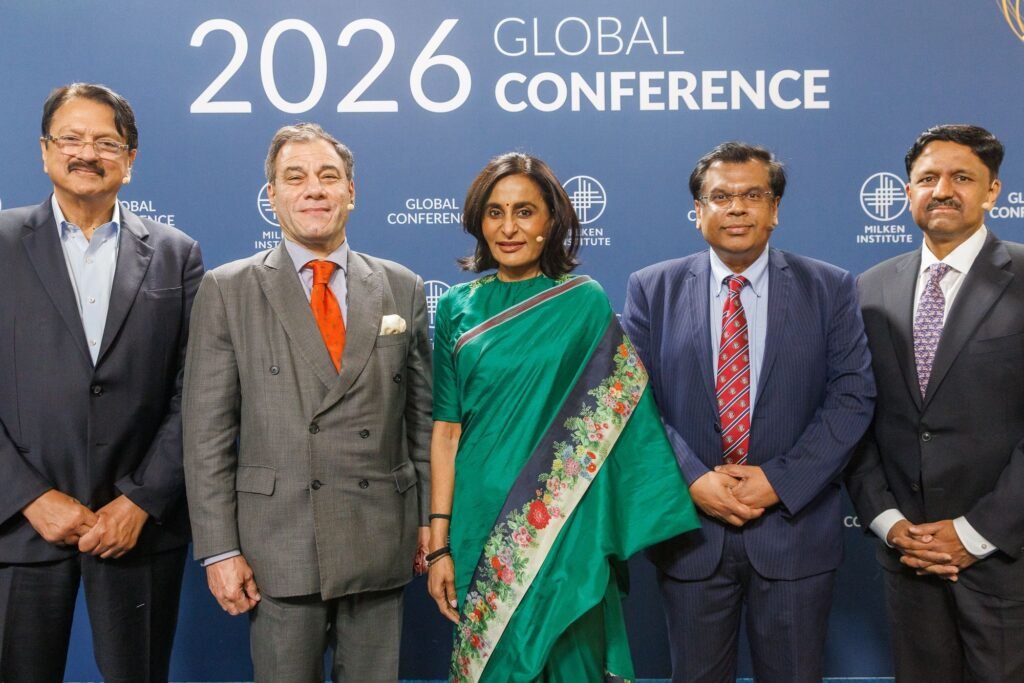
As a senior fellow at the Milken Institute, I spoke at the Milken Institute Asia Summit in Singapore. I also met my friend, Singapore President Tharman Shanmugaratnam, whom I first met at the inaugural Pravasi Bharatiya Divas in 2003. That illustrates the lasting connections these gatherings can create.
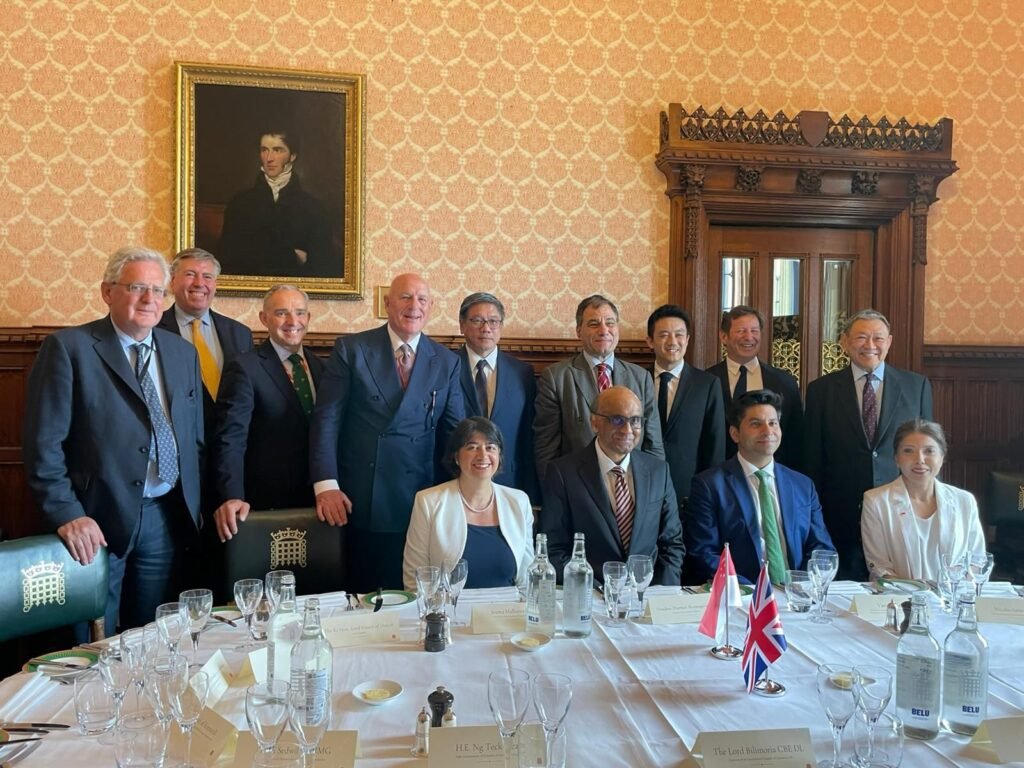
We met one-on-one in Singapore. He is one of the brightest people I know, a great friend of India, and the president of one of the world’s most successful countries. I have also hosted him at the British Parliament with cross-party parliamentarians from both houses and the British prime minister present. These relationships create valuable connections across countries and institutions.
How has your work strengthening India-UK relations evolved over the years?
My formal involvement began in 2003, when the British government appointed me the first Indian-origin UK chair of the Indo-British Partnership.
Prime Ministers P.V. Narasimha Rao and John Major had launched the initiative in 1993. On its 10th anniversary, the government wanted to give it fresh momentum and felt a young entrepreneur could help. My first Indian co-chair was Narayana Murthy. He was succeeded by Sunil Mittal of Bharti, who has become one of my closest friends.
I went on to found the UK India Business Council in 2007. Today, I co-chair the India All-Party Parliamentary Group, which brings together members of the House of Commons and the House of Lords. Before that, I co-chaired the UK-India Trade and Investment All-Party Parliamentary Group. My business has also been part of that relationship. We manufactured Cobra Beer in India and exported it to the UK, building what became a major beer export business from India. Throughout this work, I have seen entrepreneurship as a common thread connecting our countries. That shared entrepreneurial spirit has enormous potential.
How does the Memorial Gates’ commemoration of wartime service reflect South Asia’s contribution to Britain?
This is very close to my heart. I have had the privilege of being a patron of the Memorial Gates on Constitution Hill, near Buckingham Palace, and of serving two six-year terms as chairman.
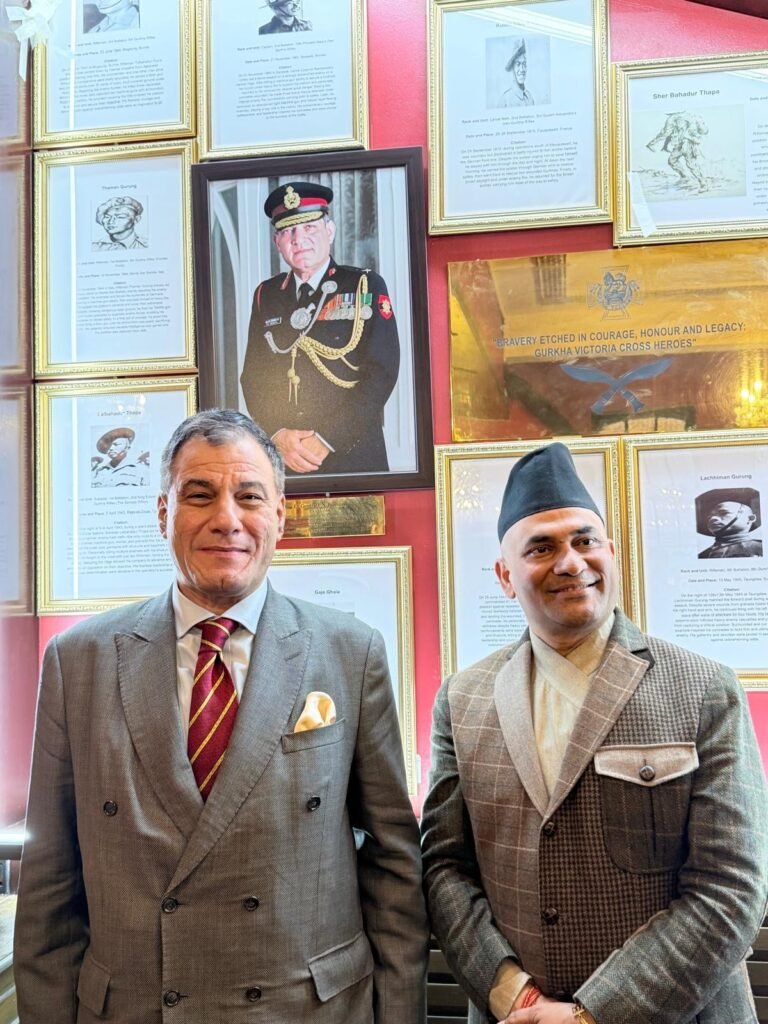
The gates commemorate the approximately 5 million volunteers from South Asia, Africa, and the Caribbean who served in the First and Second World Wars. These were volunteers, not conscripts.
Inside the pavilion are the names of recipients of the Victoria Cross and George Cross. Three names are associated with my father’s battalion.
Queen Elizabeth II inaugurated the gates in 2002. Since then, we have held an annual commemoration, which now takes place on Commonwealth Day in March. The memorial recognizes an extraordinary contribution, including the ultimate sacrifice made by so many. We would not enjoy the freedoms we have today without those millions of people, many of whom came from South Asia.
How have South Asian restaurateurs helped shape Britain’s food culture and entrepreneurial landscape?
South Asian entrepreneurs have made an enormous contribution to Britain’s restaurant industry, particularly people from the Indian and Bangladeshi communities.
More than two-thirds of the restaurants commonly described as Indian restaurants in the UK are owned and operated by Bangladeshis. Curry has become a central part of British food culture due to South Asians.
Cobra became closely associated with that story. It is available in Indian restaurants throughout the country. Whether you travel to Northern Ireland, Scotland, Wales, or elsewhere in the UK, you will find these restaurants and Cobra Beer. Alongside them are Pakistani, Sri Lankan, and Nepalese restaurants, all contributing to the country’s culinary diversity and economy.
For me, this reflects the opportunities Britain offers. People can succeed regardless of their race, religion, or background. Entrepreneurship, which was once sometimes looked down upon, is now celebrated.
As London marks the 40th anniversary of the Big Bang financial reforms, how do you assess their impact on the City and Britain’s entrepreneurial culture?
The Big Bang transformed the City of London from what had been a relatively closed shop into a financial center that welcomed banks from the United States, Japan, Germany, India, and around the world.
That openness initiated by Prime Minister Margaret Thatcher helped establish London as one of the world’s leading financial centers.
The reforms, together with a broader emphasis on entrepreneurship, helped change Britain’s economic outlook. A country once described as the “sick man of Europe” became far more dynamic and entrepreneurial.
Today, Britain and India are among the leading countries producing unicorns, companies valued at more than $1 billion. I am proud of what Britain has achieved and of the partnerships we have built. There is tremendous potential to take those partnerships further.
(This interview has been edited for length, brevity and clarity)