“Baby so gaya?”
“Doodh theek se aa raha hai?”
“Baby itna ro kyun raha hai?”
“Tum so jao, baby hum dekh lenge.”
Advertisement
“Milk nahi aa raha? Top feed de do.”
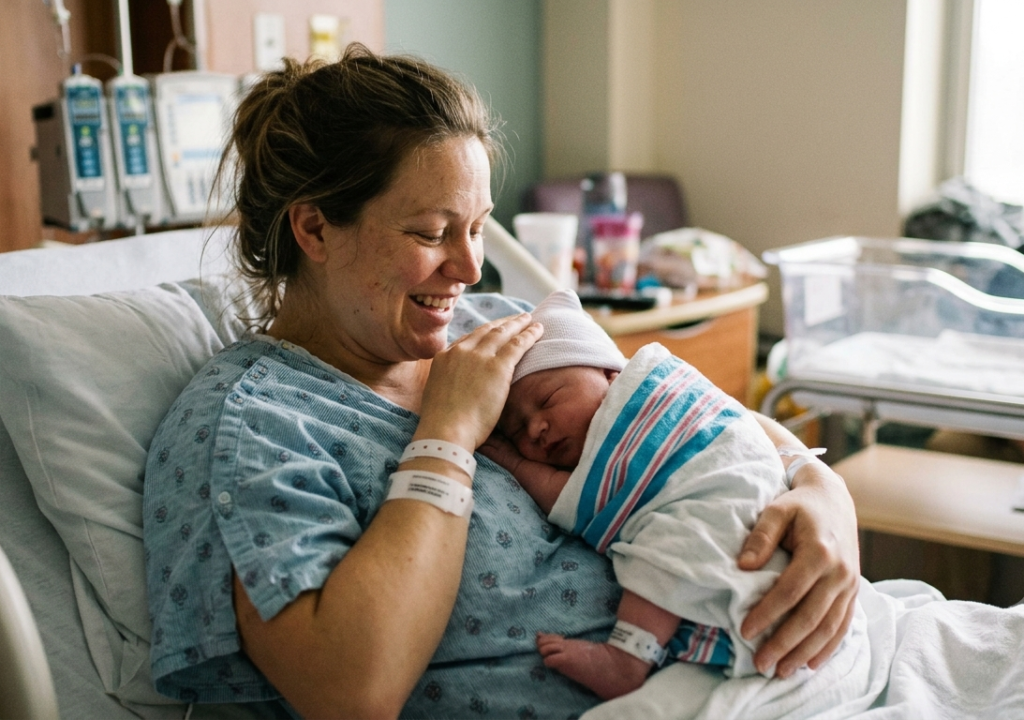
After childbirth, a mother can suddenly find herself surrounded by questions, instructions and advice. Everyone wants to know whether the baby is feeding well, sleeping well, gaining weight and reaching the next milestone.
But somewhere among all these questions, one often gets forgotten: How is the mother?
Not just whether she is managing. Not whether she is coping. But how is her body actually feeling?
Pregnancy and childbirth bring enormous physical changes, and motherhood immediately adds a new set of physical demands. Feeding for hours, repeatedly lifting and carrying the baby, bending over a cot, getting up at night, bathing the baby and spending long periods in the same position can place considerable demands on a body that is still recovering.
A mother may develop back pain, neck and shoulder discomfort, wrist pain, abdominal weakness or difficulty returning to physical activity. She may feel exhausted or unsure about exercising again. These symptoms can gradually become part of everyday life, and many women simply accept them as “normal after delivery.”
But recovery should mean more than simply waiting for the pain to settle.
Postpartum physiotherapy is not only about pain management. It is also about rebuilding strength, mobility, endurance, coordination and confidence. Research suggests that appropriately prescribed exercise and strengthening can reduce postpartum lumbopelvic pain and disability. Gradual strengthening can help a mother rebuild the physical capacity needed for lifting, carrying and caring for her growing child.
Then there is the pelvic floor, an aspect of postpartum health many women hesitate to discuss.
Urine leakage while coughing, sneezing, laughing, running or exercising, pelvic heaviness, bowel difficulties or pelvic pain can occur after childbirth. These symptoms should not simply be accepted as the price of motherhood. Pelvic-floor rehabilitation can help women with conditions such as urinary incontinence, but it is not simply a matter of “doing Kegels.” Depending on the individual, rehabilitation may involve strengthening, relaxation, coordination, education or further medical assessment.
Even breathing is part of this bigger picture. When we cough, laugh, lift or exercise, pressure inside the abdomen changes. The diaphragm, abdominal muscles and pelvic floor respond as part of a coordinated system. This does not mean women should fear exercise or lifting; rather, rehabilitation should help women gradually understand and manage physical load according to their individual needs.
So when should a mother begin rebuilding her strength?
There is no universal finish line at six weeks, nor should every woman immediately return to intense exercise. Recovery should begin when medically safe and progress gradually, taking into account the type of birth, complications, symptoms and individual goals.
And postpartum recovery should not be about getting the “old body” back.
It should be about helping a woman feel strong, capable and confident in the body she has now.
Because women’s physical health does not stop after childbirth. Strength, pelvic health, movement and bone health continue to matter through the reproductive years, perimenopause, menopause and beyond.
We have learned to rehabilitate the heart, lungs and injured joints. Perhaps it is time to recognize that a mother, too, deserves rehabilitation. Because while everyone is watching the baby grow, the mother is recovering too.
Disclaimer: The opinions and views expressed in this article/column are those of the author(s) and do not necessarily reflect the views or positions of South Asian Herald.