Join WhatsApp Channel

The 24th annual Asian Achievers Awards brought together business leaders, celebrities, and sports personalities in London a few weeks ago, continuing a tradition of recognizing British Asian contributions to business and society for more than two decades.
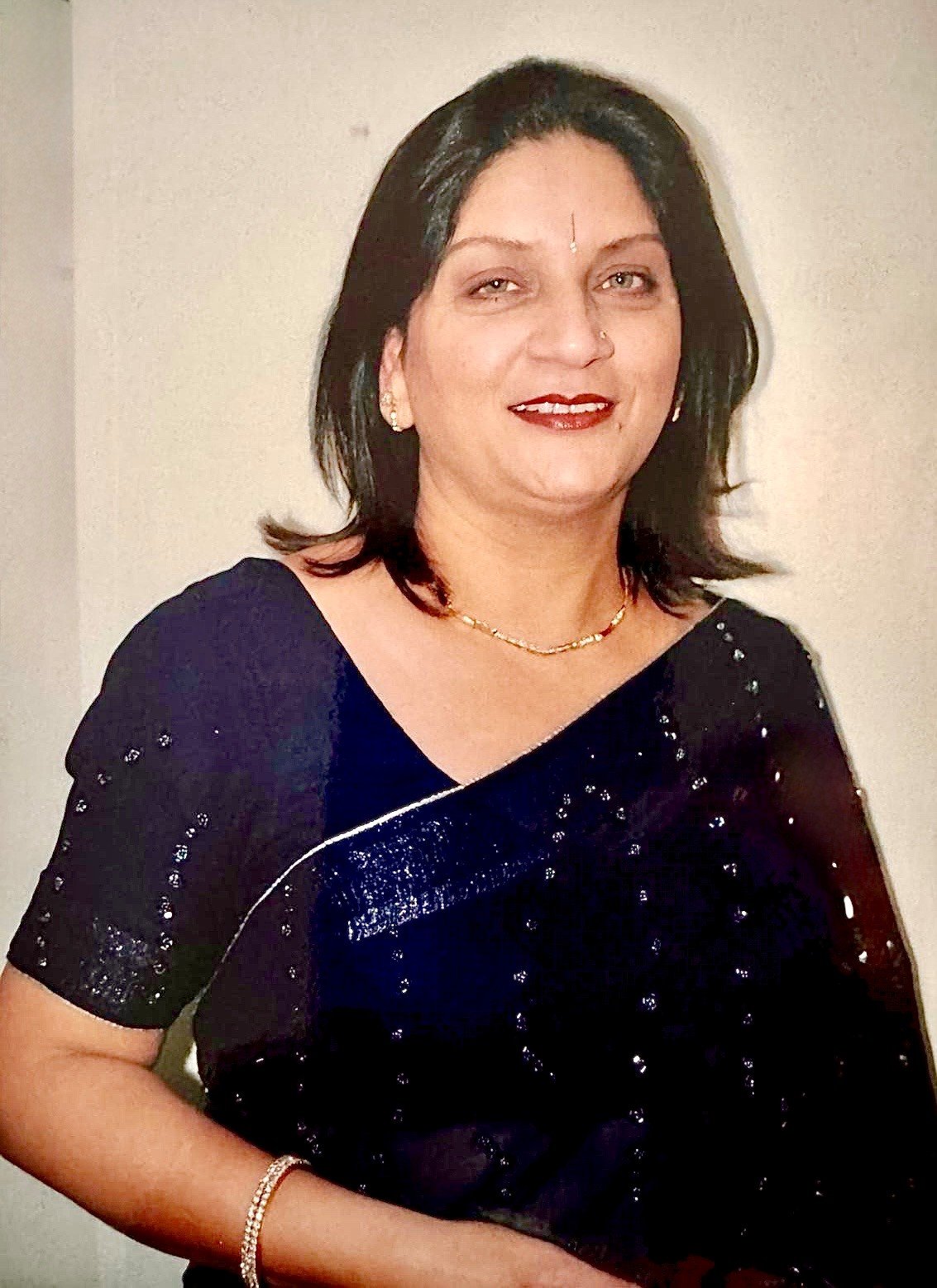
Among those shortlisted for the Achievement in Media award was Sarita Sabharwal, a familiar radio voice to British Asian listeners for more than 40 years. In an exclusive interview with South Asian Herald, Sabharwal reflected on her broadcasting career and the recognition.
How did you get into radio broadcasting?
My journey into broadcasting began when I was a student in Delhi in 1969–70. I joined All India Radio’s Youth Forum, Yuv Vaani, initially as a singer. I had trained in Indian classical vocal music and completed my Sangeet Visharad from Prayag Sangeet Samiti, Allahabad. I soon found myself not only singing but presenting programmes, and discovered that I loved communicating with an audience. Looking back, I think that was when the seed was planted.
When I came to the UK, my broadcasting journey began with Sina Radio in 1988, followed by Sunrise Radio at its launch in 1989. I later worked with Radio Asia, Spectrum Radio and TV Asia across presenting and production.
Over the years, I have experienced almost every side of broadcasting — presenting, programming, television production, station management and eventually running my own online stations.
It has been fascinating to see Asian broadcasting in Britain evolve from those early days into the digital world we have today. But one thing has never changed: my love of the microphone and, most importantly, connecting with listeners.
How did you balance family life with such a demanding career?
It certainly wasn’t easy!
When I started at Sunrise Radio in 1989, I had three young children and was also working full-time for the London Borough of Ealing. In 1992, I was offered the opportunity to join the newly launched TV Asia on Sky alongside Radio Asia. It meant giving up the security of my council job and taking a huge leap of faith.
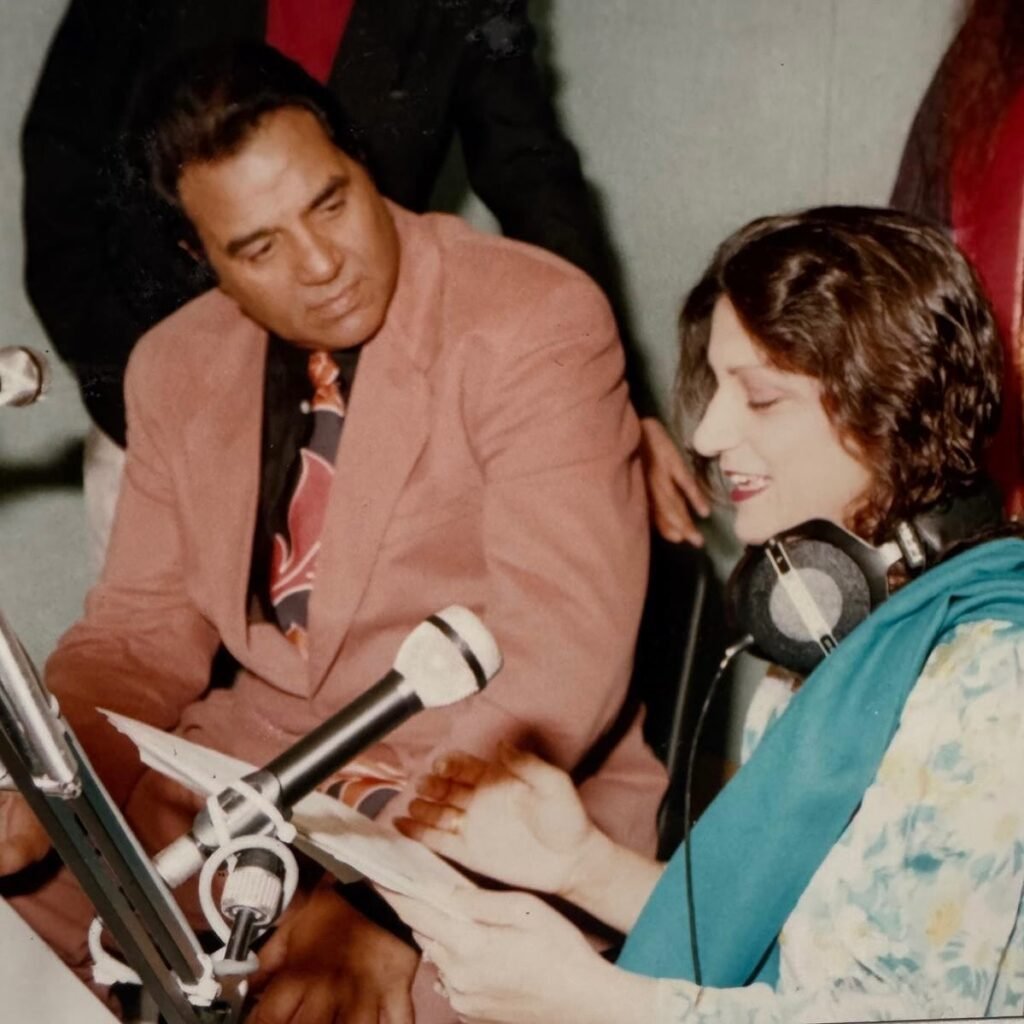
My days became incredibly long. I could do a breakfast show, spend the afternoon recording television programmes for the following day and then return for an evening radio show. There were days when I worked 15–17 hours, sometimes with only an hour to get home, cook and spend a little time with my family.
Looking back, I honestly don’t know how I managed it all! But I had the support of my family. My husband was enormously understanding, my children never complained, and a wonderful childminder helped with the school runs.
So, although my name was behind the microphone, it was very much a family effort. I was ambitious, but I also wanted my children to see that it was possible to have a family and pursue something you were passionate about.
How did studying classical vocal music help you in radio?
Music was the foundation of my broadcasting career.
As a singer, I developed a deep understanding and love of music, which became invaluable when I moved into radio. I wasn’t simply choosing songs; I understood the singers, composers, lyricists and stories behind them.
I have always believed music is one of the most powerful ways of connecting with people. A song can bring back a person, a place or an entire chapter of someone’s life.
I think listeners appreciated that connection. For me, music has always been much more than entertainment — it is memory, emotion and connection.
As I often say: music wins hearts.
You’ve been at Sunrise Radio, Spectrum Radio and now Lyca Radio. How has each part of the journey been different?
Every chapter has given me something different.
Sunrise Radio was particularly special because we were part of something new. Asian commercial radio in Britain was developing, and there was enormous excitement about creating a platform where our community could hear its own music, languages and stories.
Radio Asia and TV Asia allowed me to move beyond presenting into television, production and programming, while station management gave me a completely different understanding of what happens behind the microphone.
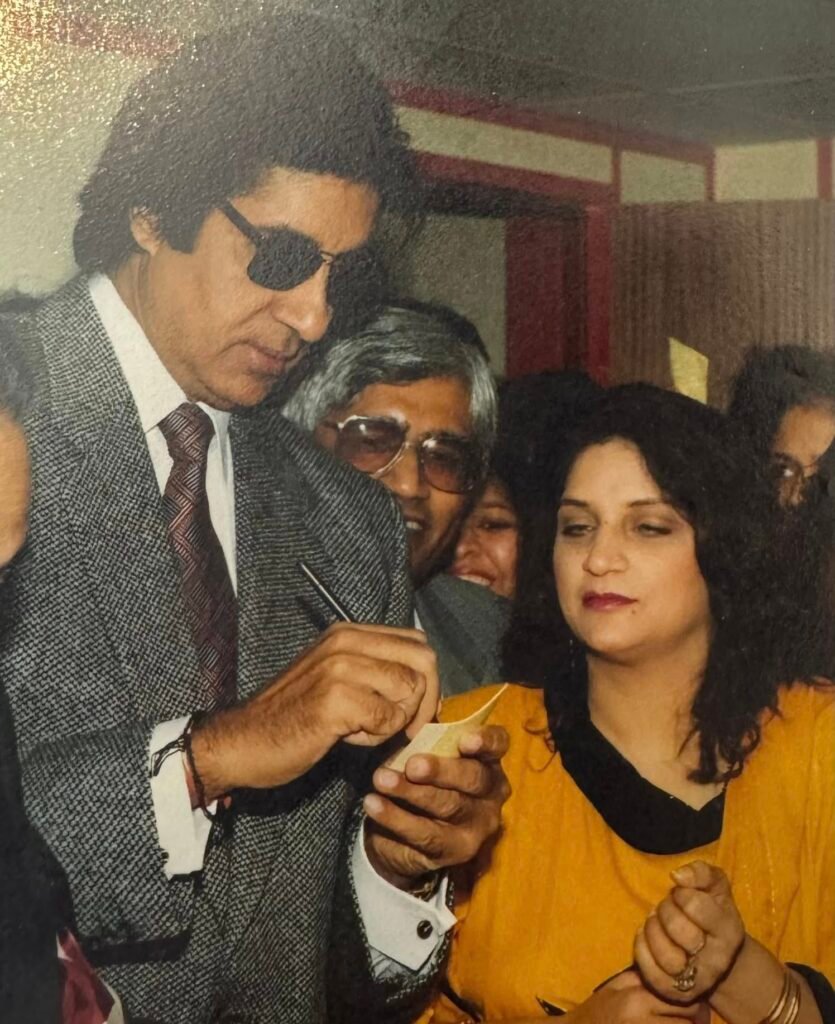
I later launched my own online stations, Dhoom Radio and Jeo Radio, which showed me how technology was transforming broadcasting.
And now, at Lyca Gold, I feel I have come full circle.
The technology has changed enormously — from spools and vinyl records to cassettes, CDs and computer software. The platforms have changed, but the most important thing hasn’t: the relationship between the broadcaster and the listener.
Which role has been the most fulfilling?
Without hesitation, being a presenter.
I have enjoyed programming, management and television, and every role has taught me something. But there is something very special about sitting behind a microphone knowing that someone, somewhere, is listening.
Over the years, listeners have shared their celebrations, sadness, memories and very personal stories with me. Some have been listening for decades and tell me they feel they know me. That is an extraordinary privilege.
For me, broadcasting is about companionship and connection. If I can make someone’s day a little happier, bring back a beautiful memory through a song or simply make someone feel less alone, then I feel I have done my job.
Why has radio continued to thrive despite the decline of print and linear television?
I think radio has survived because people still want connection.
The way we consume media has changed, but our need for music, conversation, companionship and familiar voices hasn’t disappeared. You can listen while driving, cooking, working or having your morning cup of tea. It becomes part of your day without demanding your full attention.
For the Asian community, radio offers something particularly important — a connection to language, music, culture and memories. A familiar song or voice can instantly transport someone back to India, their childhood, their parents or another chapter of their life.
Radio has also adapted. People now listen online, through apps, digital platforms and smart speakers.
The technology may have changed, but that wonderful human connection between a listener and a voice remains exactly the same.
People don’t just listen to radio — they invite you into their lives.
What’s next for you?
I have never been very good at thinking about retirement!
After nearly five decades in broadcasting, I still get excited about going into the studio. As long as I have something to say, music to share and listeners who want to hear me, I would like to continue.
I also feel strongly about encouraging younger people, particularly young women from our community, who want to build careers in broadcasting and media. When I started, there were very few Asian women with a voice on mainstream platforms. I was fortunate to have people who gave me opportunities, and I believe the best way to honor that experience is to pass it on.
There are always new ways of telling stories and connecting with audiences, and I want to keep exploring them.
So, for me, there is no final chapter just yet.
After all these years, I still don’t feel that I’ve finished the story.
Related posts:
 Why Radio Remains Essential to Expanding Education Access
 Indian Diaspora Center Hosts Symposium on “Indian Television: Yesterday, Today and Tomorrow”
 Radio Zindagi Launches ‘Voice of Sai’ Weekly Spiritual Program to Mark Sri Sathya Sai Baba Centenary
 Milano Cortina 2026 Paralympic Games Showcase Culture, Art, and Accessibility Initiatives