Join WhatsApp Channel

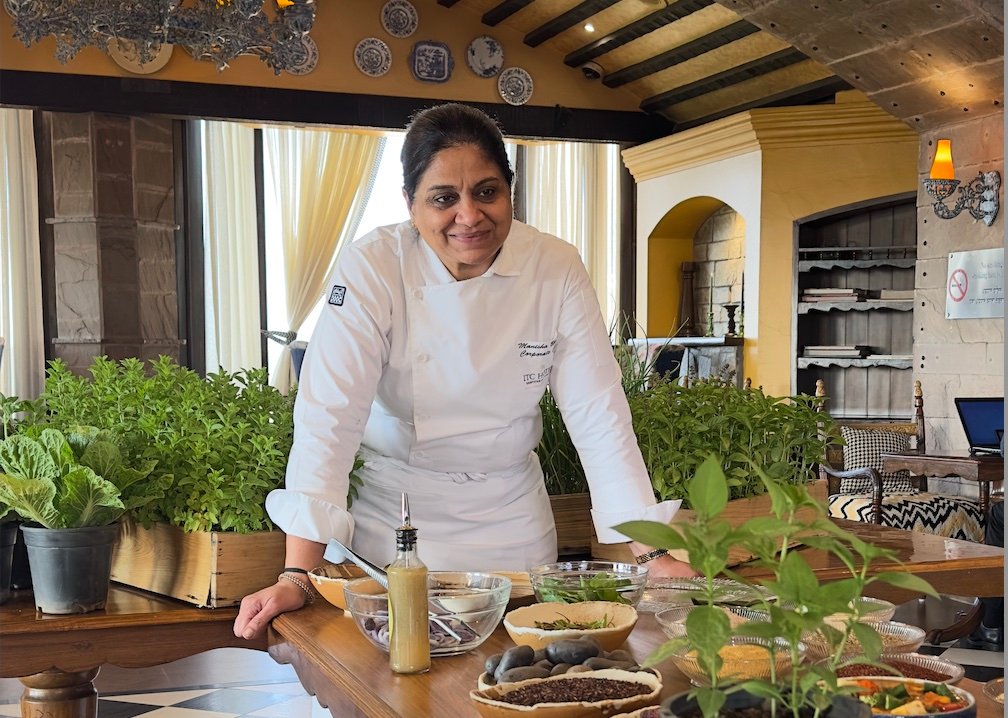

In this exclusive conversation with South Asian Herald, Corporate Executive Chef at ITC Hotels Manisha Bhasin reflects on culinary diplomacy, diversification of the American palate and strengthening Indo-US cultural ties.
Chef Bhasin has spent more than two decades engaging with the American culinary landscape, witnessing firsthand the transformation in how Indian food is perceived, experienced and embraced across the United States. From charity cookouts in the early 2000s to cooking for every visiting US President to India from 1999 to 2026, her career offers a unique perspective on the growing role of Indian cuisine in America’s cultural landscape.
A curator of culinary experiences for the G20 Leaders’ Summit 2023, Chef Bhasin designed menus that showcased India’s indigenous ingredients, millets, and regional biodiversity to world leaders, positioning Indian cuisine at the intersection of sustainability, wellness, and cultural diplomacy.
From Exotic Cuisine to the American Mainstream
Reflecting on her 25 years of travel across the US, Bhasin says the most striking change has been the way Americans have embraced flavor and culinary diversity. “Over the past quarter-century of traveling across the US, the biggest shift I’ve witnessed is in how Americans embrace flavor,” she says. “Indian cuisine is no longer tucked away, it has made deep inroads into home kitchens, fine dining, and fast-casual concepts across the country.”
For Bhasin, this transformation goes beyond the increasing visibility of Indian restaurants. It represents a deeper appreciation of the philosophy and traditions behind Indian cooking. “In a nation marking 250 years of innovation, the American palate has expanded to appreciate the depth, zero-waste roots, and wellness inherent in authentic Indian cooking,” she observes.
The Changing American Palate
Bhasin has watched Indian cuisine shed its image as an unfamiliar or occasionally heavy alternative and become part of everyday American food culture.
“Having visited and engaged with the American food scene for over 25 years, I’ve watched a remarkable evolution,” she says. “Indian food has moved from being viewed as an exotic, heavy alternative to claiming its place as an everyday staple on the American plate.”
“As America celebrates 250 years of independent thought and diverse cultures, it’s inspiring to see how native Indian ingredients, millets, heirloom spices, and sustainable practices have integrated into mainstream American culinary culture,” Bhasin says. The development is significant not merely for Indian food but also for the broader understanding of India’s culinary heritage.
A Culinary Journey That Began More Than Two Decades Ago
Bhasin recalls an important moment in 2003, when she hosted a charity cookout in the US alongside the executive chef of Marriott and star chef Kathleen Wellington.
“Back in 2003, I hosted a charity cookout in the US a jugalbandi with the executive chef of Marriott and star chef Kathleen Wellington at a time when America was just beginning to discover Indian food,” she recalls. More than two decades later, she sees that moment as a marker of how dramatically the culinary landscape has changed.
“Fast forward over 20 years, and it’s incredible to see how our cuisine has truly arrived and taken center stage on the American plate,” she says. The word jugalbandi, traditionally associated with a musical duet, is particularly fitting for Bhasin’s culinary philosophy: a coming together of different traditions, techniques and audiences to create something larger than the individual parts.
Culinary Diplomacy: Food as a Bridge Between Nations
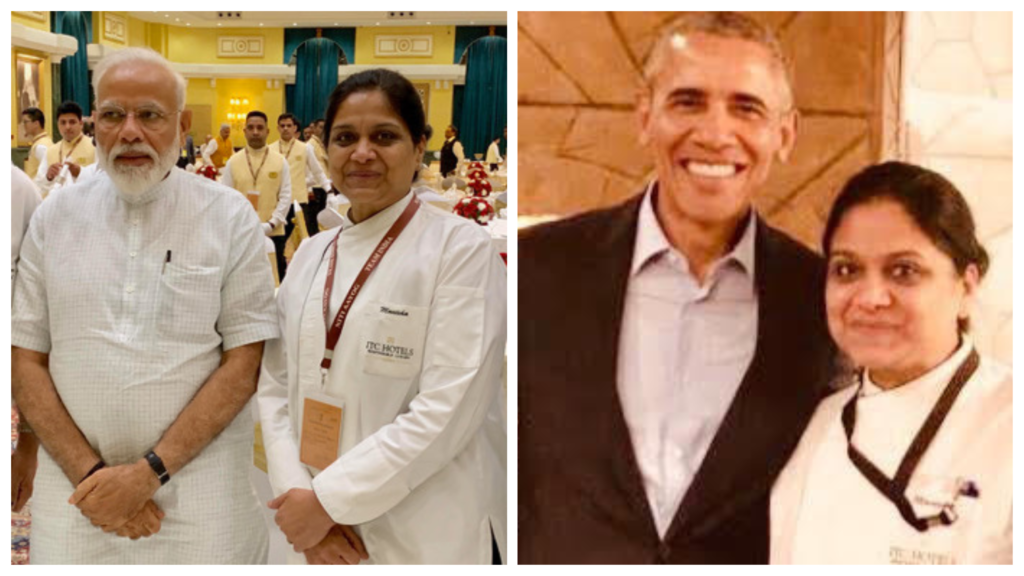
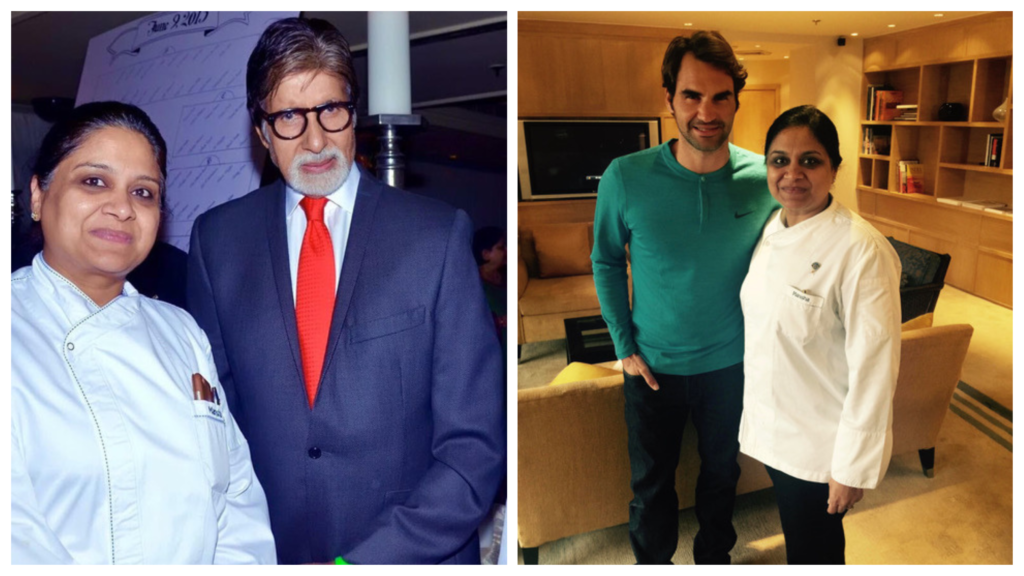
Bhasin’s perspective extends beyond restaurants and kitchens. “I’ve had the rare honor of cooking for every visiting US President to India from 1999 to 2026,” she says. “I’ve witnessed firsthand how culinary diplomacy brings nations together.”
For her, these occasions demonstrate that food can operate as a language of its own, creating connections across political, cultural and geographic boundaries.
“Serving the highest level of leadership over nearly three decades has been one of the greatest privileges of my career,” she reflects.
A New Chapter in India-US Cultural Exchange
As America enters its 250th year, Bhasin’s journey mirrors the larger evolution of India’s cultural presence in the United States. Indian cuisine, once largely associated with specialized restaurants and diaspora communities, has increasingly become part of mainstream American culinary life.
For Bhasin, the American culinary story over the past quarter-century is ultimately one of expanding horizons. Indian food has not merely found a place on the American plate; it has become part of the conversation about what the modern American palate can be.
Related posts:
 Kerala’s Culinary Heritage Shines as Chatti by Chef Regi Mathew Debuts in New York City
 From Khana Khazana to Khana Dil Se, Hansal Mehta Adds AI to the Menu and Returns to a Food Show After 32 years
 Strengthening India’s Cultural Diplomacy in a Changing World
 AAHAR 2026 Opens Amid Push to Turn India into a Global Food Processing Hub