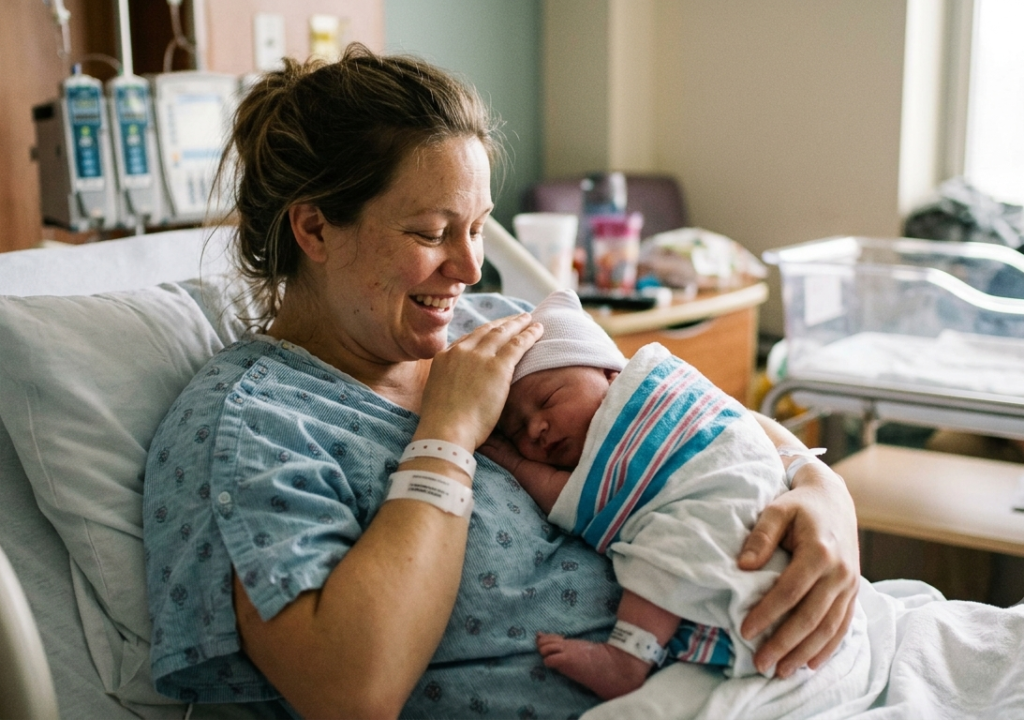

Each October, cities turn pink and social media fills with ribbons. Yet for countless women, the most important question is not whether they have heard of breast cancer. It is whether they can recognize a warning sign, arrange an appointment, and obtain treatment without delay. That question deserves particular attention in South Asian communities, both in the subcontinent and across the diaspora. As the World Health Organization marks Breast Cancer Awareness Month 2026 under the theme “Every story is unique, every journey matters,” we should ask whether our families and institutions are doing enough to make those journeys safer.
The latest WHO estimates are sobering: approximately 2.4 million women worldwide were diagnosed with breast cancer in 2024, and 694,000 died from it. The burden is not distributed equally. Women’s prospects are shaped not only by the biology of their cancer but also by where they live, what they can afford, and how quickly their health system responds.
For South Asians across the diaspora, immigration does not automatically eliminate those barriers. A woman may live near a sophisticated cancer center yet struggle to navigate insurance, arrange transportation, secure interpretation, or take time away from work and caregiving. Another may hesitate to mention a breast change because she fears alarming her family or discussing an intimate health concern. But it would be a mistake to reduce this problem to the familiar shorthand of “cultural stigma.” South Asian communities are diverse, and silence has many causes. Sometimes it is modesty or fear. Sometimes it is cost, a language barrier, an unfamiliar health system, or postponed appointments while other needs come first.
A 2025 study published in BMC Women’s Health offers a useful reminder. In focus groups involving 22 South Asian immigrant women in New Jersey, researchers found that participants generally understood the value of mammography, yet some underestimated their personal risk, particularly when they had no family history of breast cancer. Family responsibilities and structural barriers could also complicate screening. Though small, the study illustrates a crucial distinction: knowing that screening matters is not the same as being able to act on that knowledge.
Advertisement
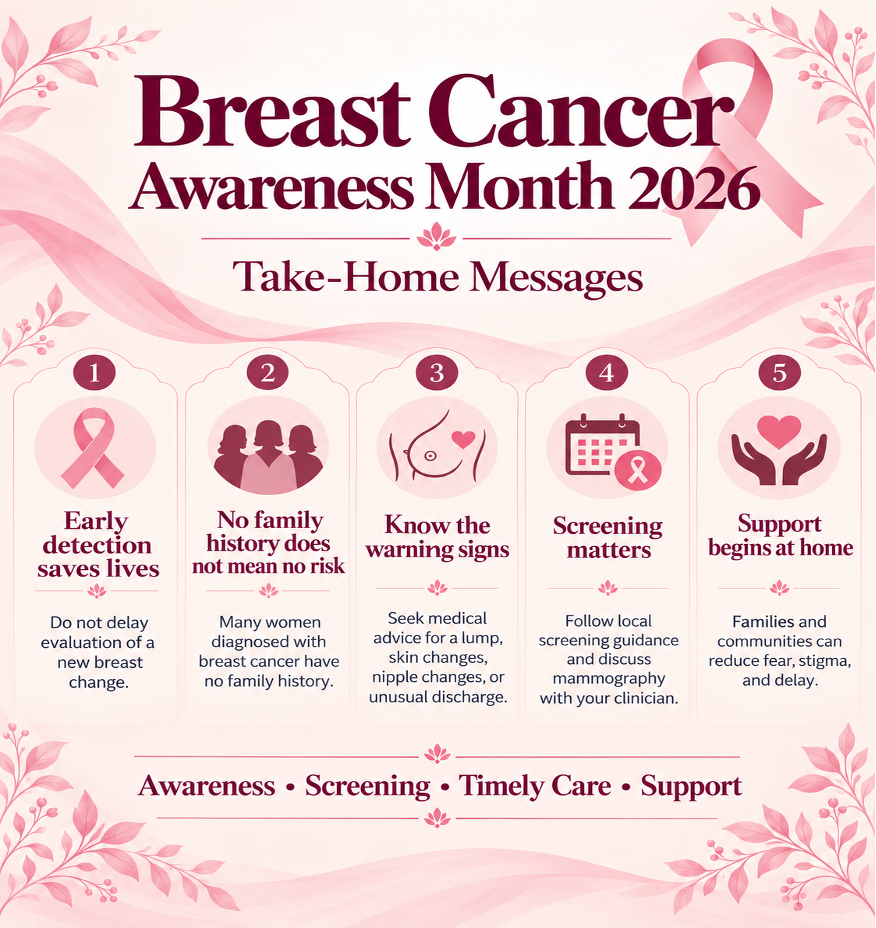
One misconception merits special attention. Having no relatives with breast cancer does not mean a person is protected. The WHO estimates that roughly 80 percent of breast cancers arise in women without specific risk factors beyond sex and age. A healthy lifestyle is valuable, but it cannot serve as a substitute for appropriate screening or prompt evaluation of symptoms. Women should seek medical advice about a new breast lump, thickening, changes in breast shape, dimpling or redness of the skin, nipple changes, or unusual discharge, particularly if bloody. Such changes do not always indicate cancer, but they should not be dismissed or watched indefinitely. And screening is different from investigating a symptom: mammograms can find some cancers before symptoms appear, while a new concern warrants clinical assessment regardless of when the last screening took place.
In the United States, the U.S. Preventive Services Task Force recommends a mammogram every two years for women aged 40 to 74 at average risk. People with certain inherited mutations, prior chest radiation, or other important risk factors may need a different plan, developed with their clinician. Recommendations vary across countries, making individualized medical advice essential for diaspora families spread across several healthcare systems.
Yet early detection is only the first step. A screening campaign achieves little if an abnormal result is followed by weeks of confusion, missed callbacks, or an unaffordable biopsy. The WHO’s Global Breast Cancer Initiative sets concrete goals: at least 60 percent of invasive cancers diagnosed at stages I or II, diagnostic confirmation within 60 days of first presentation to a health facility, and completion of recommended treatment for at least 80 percent of patients. These targets shift the conversation from awareness to accountability.
That shift should happen in our own community spaces. South Asian professional associations, cultural organizations, places of worship, and local media can normalize conversations about breast health. Health fairs should offer practical help: multilingual information, links to clinics, appointment assistance, and guidance on what happens after an abnormal result. Families can help by sharing caregiving duties, driving relatives to appointments, and respecting the privacy of those undergoing diagnosis or treatment.
Healthcare institutions also have responsibilities. Interpretation should be accessible, clinical conversations respectful, and follow-up systems reliable. Clinicians should not assume that every South Asian patient faces the same barriers. Programs that connect patients with trained navigators can help translate a medical recommendation into completed care. In the United States, the Centers for Disease Control and Prevention supports free or low-cost breast and cervical cancer screening for eligible uninsured or underinsured women through its national early-detection program.
Finally, breast cancer awareness must include those living with and beyond the disease. Surgery, medications, radiation, reconstruction decisions, changes in body image, financial strain, and fear of recurrence can shape life long after diagnosis. Some patients want to tell their stories publicly; others do not. Both choices deserve respect. Support should never require someone to become a symbol of inspiration.
A pink ribbon may start a conversation, but it cannot measure success. This October, let us ask more demanding questions: Did someone book a screening appointment? Did a concerning symptom receive timely attention? Did an abnormal test lead to diagnosis and treatment? Did a patient feel heard rather than judged?
For South Asian families everywhere, the most meaningful tribute to Breast Cancer Awareness Month is not simply to wear pink. It is to make sure that no one must navigate breast cancer alone – and that a person’s chances of survival are not determined by silence, circumstance, or the system they happen to enter.
Disclaimer: The opinions and views expressed in this article/column are those of the author(s) and do not necessarily reflect the views or positions of South Asian Herald.