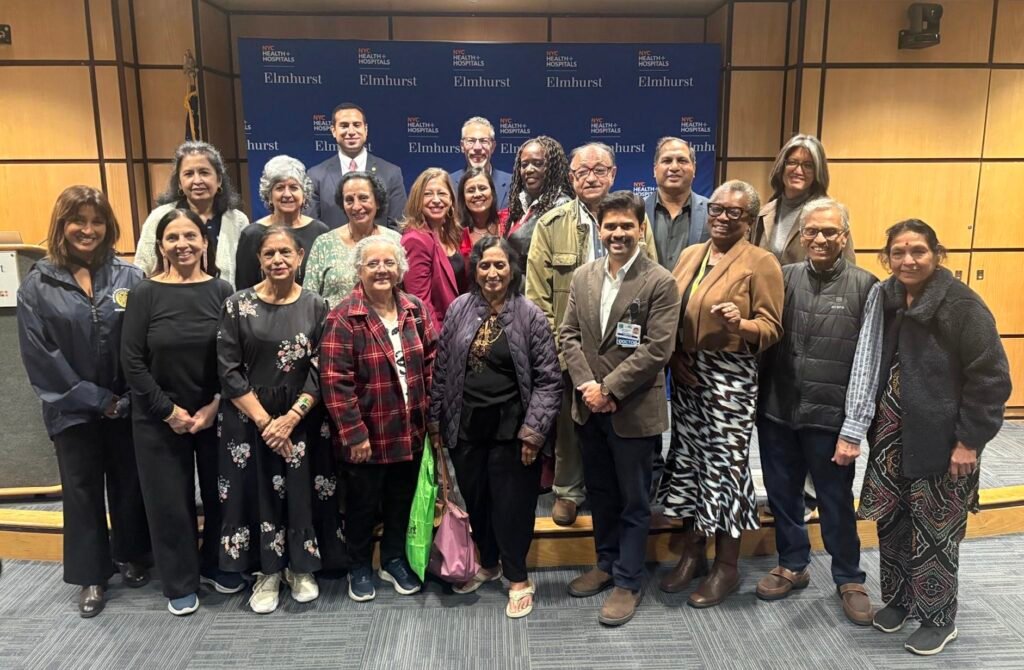
The Arts4All Foundation brought together health professionals, elected officials and community advocates on October 30 for a free program addressing lead poisoning prevention and the need for greater access to screening, education and treatment in New York City, according to a statement from the foundation.
Organized with NYC Health + Hospitals/Elmhurst, Mount Sinai and the New York City Department of Health and Mental Hygiene, the event recognized National Lead Poisoning Prevention Week, October 25–31, and World Stroke Day, October 29.
The program included a public forum, expert presentations and multilingual resources, with speakers discussing lead hazards in housing, consumer products and public spaces. Participants also highlighted concerns about exposure among children and immigrant communities, particularly in Queens.
According to the foundation’s statement, childhood lead poisoning rates in the city have declined substantially since 2005, but exposure remains concentrated in communities facing economic hardship. The statement reported that 91% of children with elevated blood lead levels live in neighborhoods with moderate to high poverty.
Advertisement
Dr. Sumita SenGupta, founder of the Arts4All Foundation, an education expert and the program’s organizer, called for coordinated efforts to identify hazards and expand access to testing.
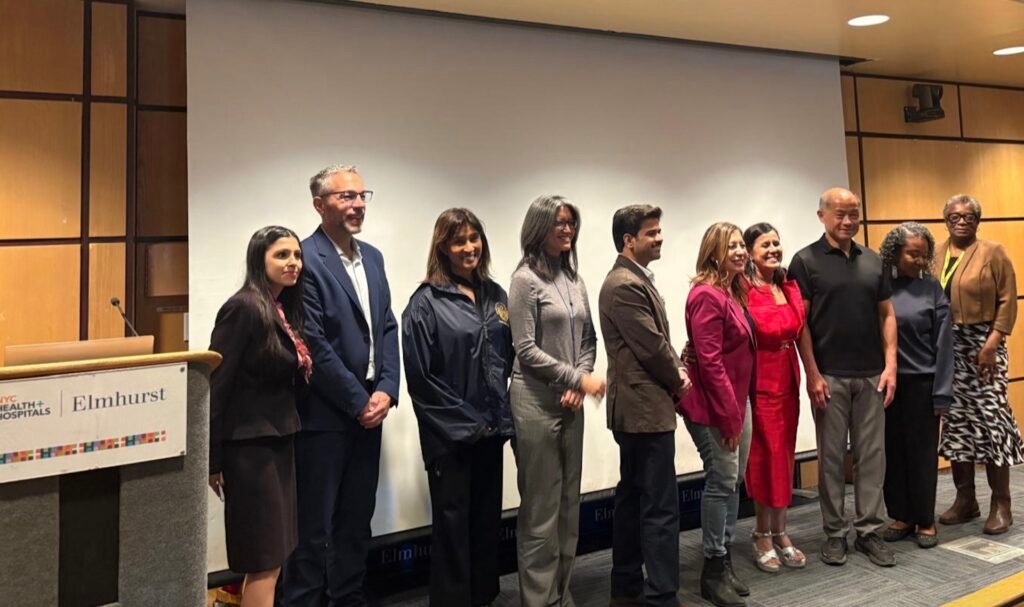
“Creating safer, cleaner, and healthier homes, schools, workplaces, and public spaces starts with addressing lead hazards, testing people of all ages, and taking the necessary steps to identify and eliminate sources, as well as provide immediate treatment for dangerous lead exposure,” Dr. SenGupta said.
Presenters included Andrew Faciano, assistant commissioner of Environmental Disease and Prevention at the city health department; public health educator Charlene Gordon; Dr. Uday P. Patil, a pediatrics and neonatal-perinatal expert at NYC Health + Hospitals/Elmhurst; and Dr. Maida P. Galvez, a public health and pediatrics expert at Mount Sinai.
State Sens. Cordell Cleare and John Liu and Assemblywoman Jessica González-Rojas also attended. Cleare delivered the keynote address.
Faciano emphasized partnerships among government agencies, hospitals and community organizations to improve access to prevention services.
“We are honored to work with our community partners, elected officials and hospitals in increasing awareness and access to resources to protect children and families from harmful lead exposure,” he said.
He outlined services including education, paint inspections, housing investigations, housing improvements, lead screenings and testing, along with connections to community resources.
“Together we can prevent lead exposure before it happens,” Faciano said.
Galvez discussed the risks associated with lead-based paint in older housing and the importance of childhood screening.
“Lead-based paint in older homes is the main way children are exposed to lead. Even low levels of lead can affect a child’s learning and behavior,” she said.
“New York City landlords are required to inspect each year for lead-based paint hazards. Call 311 if your landlord doesn’t fix peeling lead-based paint or you are worried the work is being done unsafely. And make sure your child is tested for lead at ages 1 and 2. Older children with lead risk factors should be tested too.”
Patil said lead exposure remains a concern for adults as well as children, including immigrant families in Queens.
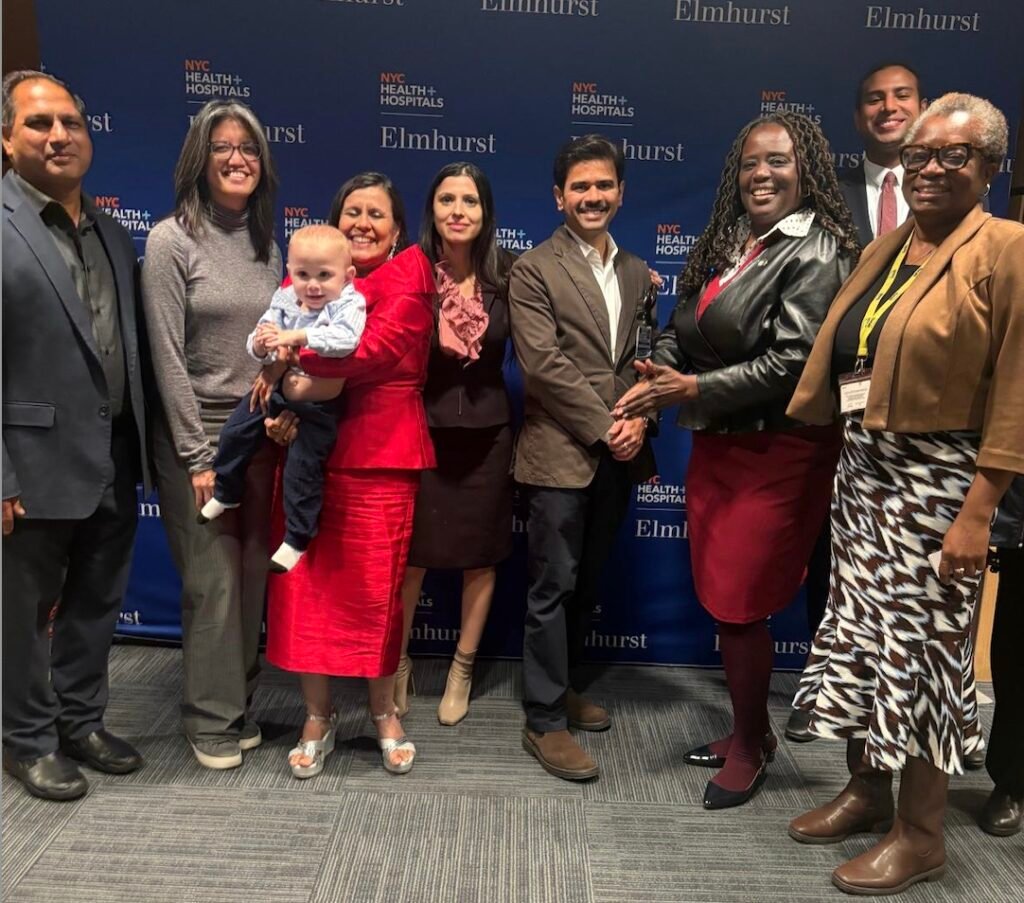
“Although lead in the environment is a legacy of the past, it remains a present-day public health issue. It disproportionately affects children, but adults are not immune to lead poisoning either, especially in the immigrant communities of Queens,” he said.
“Protecting our families starts with awareness and action against lead exposure in our homes.”
The foundation’s statement said Black, Asian and Latino children account for eight in 10 newly identified cases among children younger than 6, highlighting disparities discussed during the program.
Cleare’s advocacy is informed by her family’s experience. According to the statement, her son was diagnosed with lead poisoning at age 2. She previously chaired the NYC Coalition to End Lead Poisoning and helped advance the city’s Childhood Lead Poisoning Prevention Act.
The statement also highlighted her legislation, Senate Bill S.122, which would establish stricter environmental standards for lead in air, soil and dust. Assemblywoman Crystal D. Peoples-Stokes sponsors the Assembly counterpart, A3682.
“New York deserves to have the safest lead standards in the nation, and this begins with upholding our current laws against hazardous lead paint and mandatory lead screenings for young children, as well as enacting into law my legislation,” Cleare said.
Liu called for cooperation among education officials, health agencies and lawmakers to address disparities affecting Asian New Yorkers and children. He said prevention efforts should protect the health and well-being of residents across the city.
González-Rojas described lead exposure as an environmental justice and health equity concern, connecting the issue to broader environmental conditions affecting families in her district.
“Lead contamination is preventable, and as we recognize Lead Poisoning Prevention Month, we must do more than raise awareness,” she said. “We must center the stories of families who are affected, invest in preventative measures, and hold our healthcare system, landlords, and ourselves accountable for creating healthier communities.”
The program also highlighted calls for additional specialized services in Queens. According to the statement, Dr. SenGupta and other parent advocates have urged New York State to establish a toxicological center in the borough to improve access to evaluation and treatment.
“Lead poisoning frequently goes undetected because it often occurs with no noticeable symptoms,” said Shree SenGupta, a parent advocate and vice president of the Arts4All Foundation.
“Opening a toxicological center in Queens is necessary to improve health outcomes and eradicate lead poisoning locally.”
Health department officials Yma Andries, executive director of the Healthy Homes Program, and Paromita Hore, director of the Environmental Exposure Assessment & Education Program, provided pamphlets and resource information.
Gordon directed residents to the city’s lead poisoning prevention resources at nyc.gov/lead, emphasizing prevention.
The program concluded with the distribution of health department materials in English, Spanish, Bengali and Hindi. Attendees also received a free luncheon, with meals and dessert donated by Pankaj Bhatara, owner of the World’s Fair Marina Restaurant and Banquet Hall, according to the foundation.