Join WhatsApp Channel

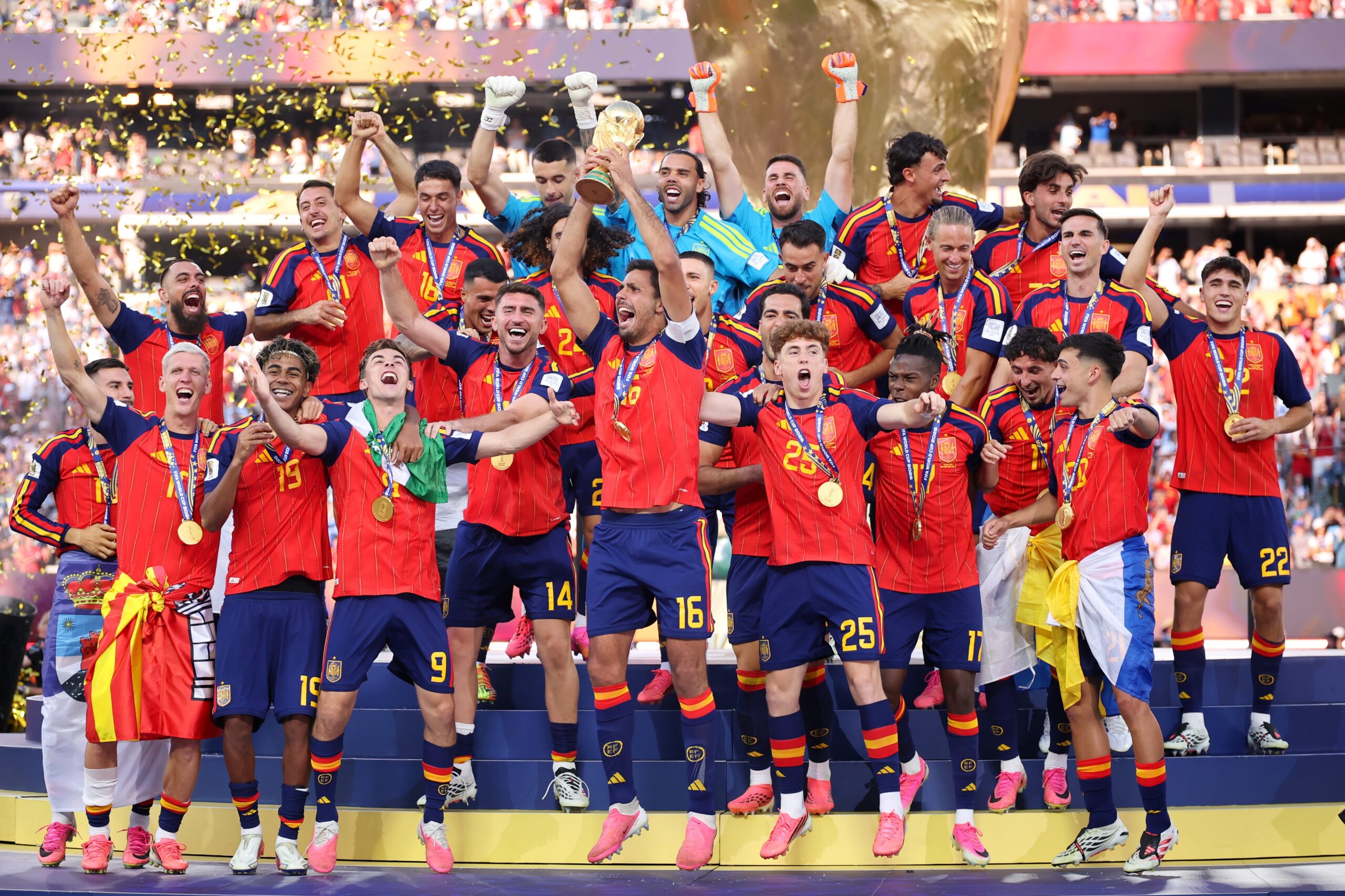
Europe reaffirmed its dominance in world soccer as European champion Spain defeated defending champion Argentina 1-0 after extra time to win the FIFA World Cup 2026, securing its first men’s World Cup title since 2010.
With the victory, Spain also became the first nation to simultaneously hold both the men’s and women’s FIFA World Cup titles, having already been crowned FIFA Women’s World Cup champion.
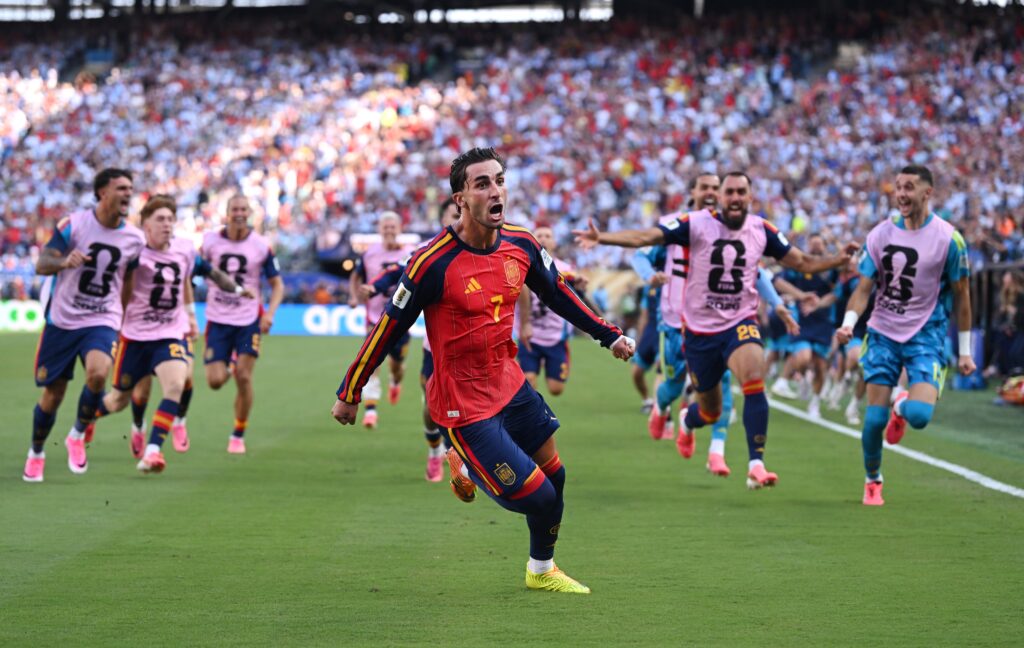
Substitute Ferran Torres emerged as Spain’s match-winner, scoring in the 106th minute to settle a tightly contested final after the teams remained scoreless through 90 minutes of regulation and the first half of extra time.
Argentina, appearing in its second consecutive World Cup final, struggled to break down a disciplined Spanish defense that controlled much of the match and limited Lionel Messi’s influence throughout.
The defeat also ended Messi’s pursuit of the tournament’s Golden Boot. France’s Kylian Mbappé finished as the competition’s leading scorer with 10 goals, while Messi ended the tournament with eight.
Spain became the first team in the tournament to effectively neutralize Messi, restricting the Argentine captain to just 15 touches in the first half, his lowest total in a World Cup match across the past three editions. His only involvement during the opening 15 minutes was the kickoff.
Although Messi showed flashes of his brilliance late in regulation and again during extra time, he was largely isolated by Spain’s organized defensive structure. His most dangerous effort came deep into extra time, but his shot was blocked before it could test goalkeeper Unai Simón.
Even after Argentina was reduced to 10 players following Enzo Fernández’s red card in extra time, Messi attempted to inspire another comeback similar to those against Egypt and England earlier in the tournament. His dangerous corner kicks created pressure, but Spain held firm.
Spain finished the tournament with the competition’s best defensive record, conceding just one goal. Rather than relying on individual brilliance from stars such as Lamine Yamal, the Spaniards displayed a disciplined, collective style that proved decisive throughout the tournament.
The final ended on a sour note as players from both teams became involved in scuffles after the final whistle.
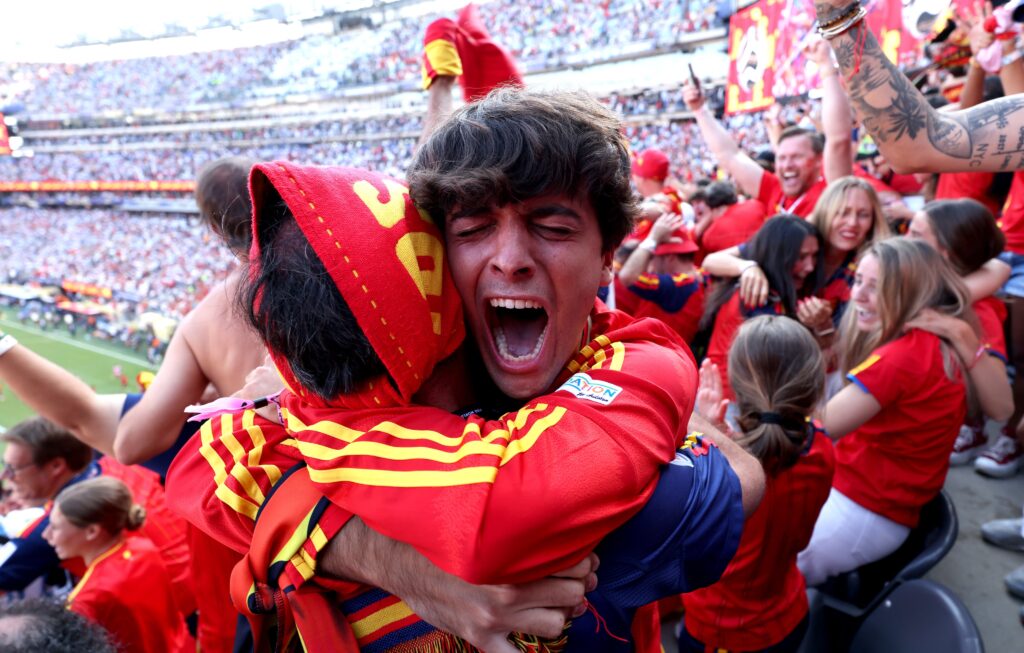
For much of the contest, Spain dictated possession and tempo while forcing Argentina onto the defensive. The South Americans failed to seriously threaten Spain’s goal until the closing stages of extra time.
Following the match, an emotional Messi sat alone on the field attempting to hold back tears before joining his teammates for the medal ceremony. FIFA President Gianni Infantino was joined by U.S. President Donald Trump, Canadian Prime Minister Mark Carney, and Mexican officials in presenting the medals and trophies.
Spain captain Rodri was named the tournament’s Best Player, while goalkeeper Unai Simón received the Golden Glove award.
Spain imposed itself from the opening whistle, repeatedly testing Argentina’s defense. Goalkeeper Emiliano Martínez kept his side in the match with a series of outstanding saves, preserving the deadlock until the second half of extra time.
The breakthrough finally came in the 106th minute. Nico Williams headed a cross from Lamine Yamal into the path of Torres, who calmly finished past Martínez to give Spain the lead.
Argentina’s task became even more difficult after Fernández was sent off in extra time. The midfielder first received a yellow card for dissent after protesting a decision by referee Slavko Vinčić. Moments later, he collected a second yellow card for a reckless challenge on Spain defender Pau Cubarsí while contesting a loose ball.
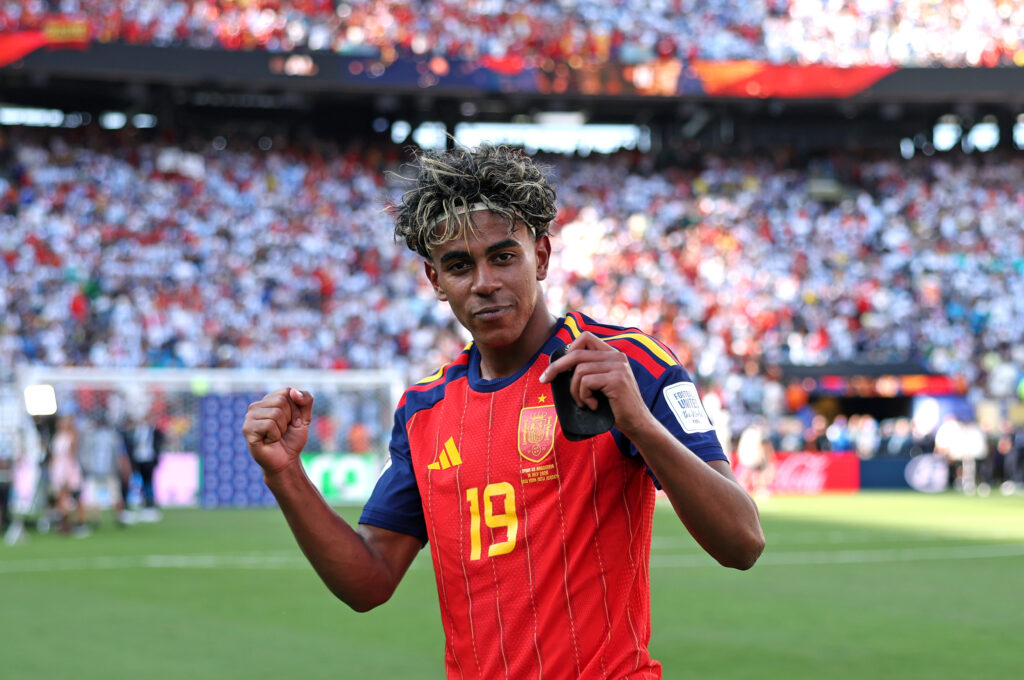
With a numerical advantage, Spain tightened its grip on the match. Although one goal was disallowed for a foul on Nicolás Otamendi, the European champions continued to dominate before Torres finally found the decisive breakthrough.
Spain relentlessly pressed forward, creating chance after chance. After registering 20 attempts on goal, it finally found the winner that secured the country’s second men’s World Cup crown.
For Argentina, the defeat marked a disappointing end to an otherwise remarkable title defense.
The defending champions never found their usual attacking rhythm and failed to register a shot during the first half. Messi, 39, endured his quietest performance of the tournament, unable to influence the match in the manner that had carried Argentina through earlier rounds.
The stop-and-start nature of the contest was also interrupted by an elaborate 27-minute halftime show featuring Madonna, BTS, Justin Bieber, Shakira, and several other performers.
Spain’s triumph highlighted the value of teamwork over individual brilliance. While Argentina often relied on Messi to produce moments of inspiration, Spain’s cohesive approach ultimately proved decisive.
For Messi, the defeat was a painful conclusion to another memorable World Cup campaign. A decade after leaving MetLife Stadium devastated following Argentina’s loss in the 2016 Copa América final, he returned hoping to complete a fairytale ending to his international career. Instead, Spain denied Argentina a second consecutive World Cup title, bringing the curtain down on the tournament with a performance worthy of world champions.