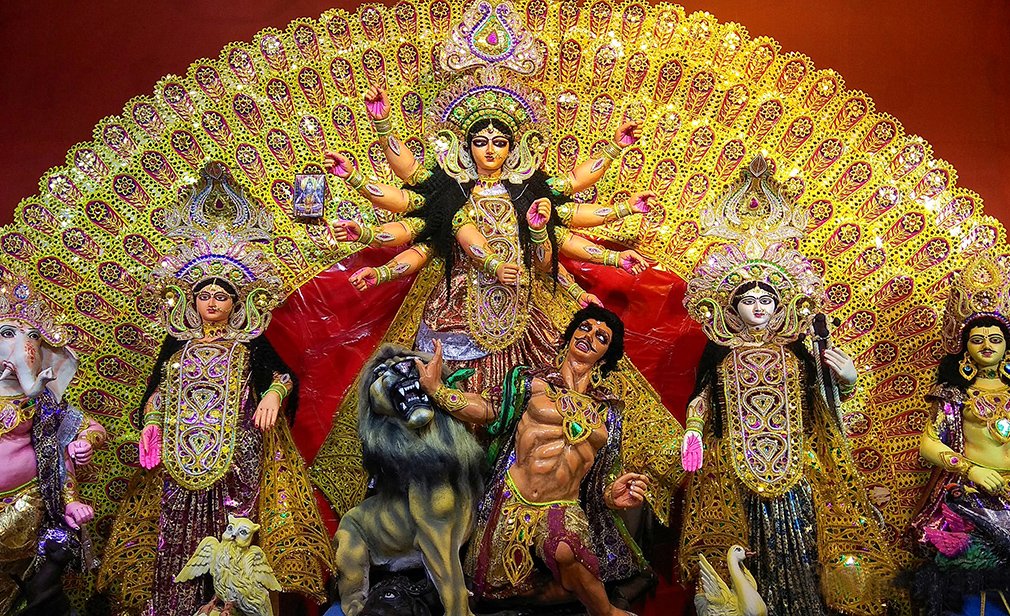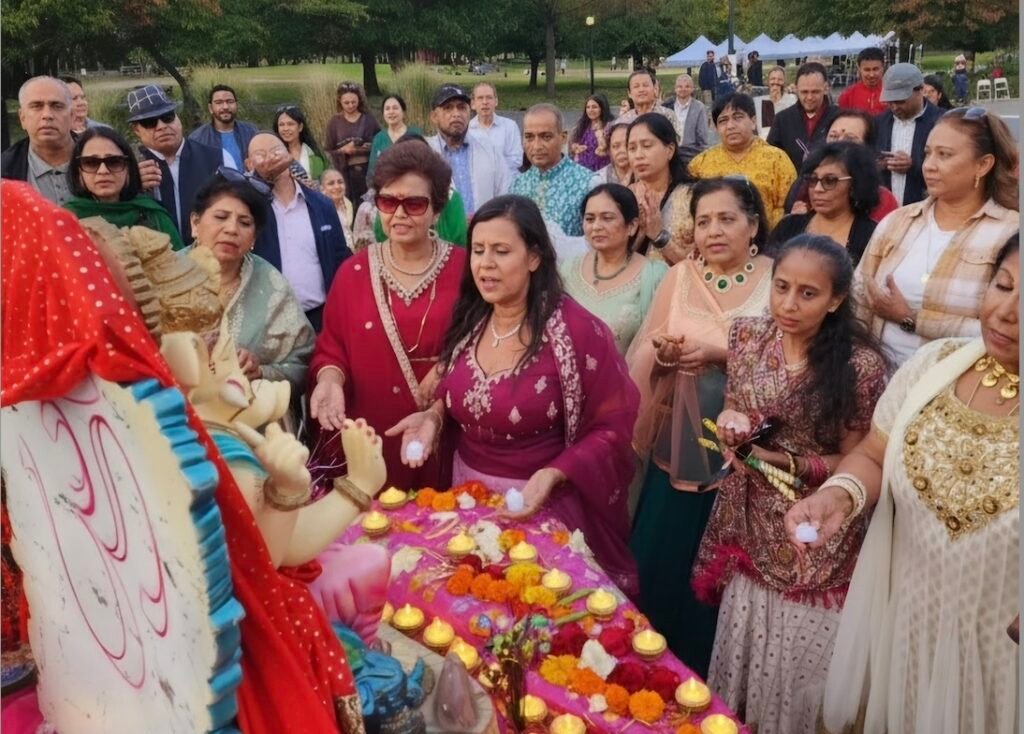

Every autumn, millions celebrate Navratri—nine nights dedicated to the triumph of light over dark, renewal over decay. We deck our homes with lights, fast, dance, and honor the divine feminine. Yet, behind the festive fervor lies an ancient, radical psychological truth: before something new can grow, something old must die.
When we talk about personal development, growth is almost always framed as additive. We are advised to adopt new habits, set bigger goals, read more books, and stack morning routines. We treat our lives like overcrowded rooms, constantly trying to cram in new furniture without ever getting rid of the old. But true transformation rarely begins with addition. It begins with subtraction.
Navratri opens not with celebration, but with the fierce energy of Goddess Durga slaying Mahishasura—a symbol of the ego, stagnation, and destructive mental patterns. The festival acknowledges an uncomfortable reality: creation requires destruction. Harmony is not built on top of chaotic foundations; it is built on cleared ground.
At a human level, this is “the art of unbecoming.” It is the conscious process of shedding the identities, legacy beliefs, and outdated commitments that no longer serve who you are becoming.
Advertisement
Throughout our lives, we collect psychological baggage. We carry career identities forged to impress parents, relational habits shaped by childhood insecurities, or a reflex to say “yes” to every demand to avoid conflict. These internal patterns served a purpose once—they kept us safe or helped us adapt. Over time, however, they turn into armor that restricts our movement. You cannot step into a life of authentic confidence while still clinging to the identity of a people-pleaser. You cannot cultivate peace while nurturing an addiction to overwork.
Shedding these layers requires courage because destruction feels uncomfortable. Letting go of an outdated belief or ending a toxic loop creates an empty space, and human nature dreads a vacuum. We instinctively reach for new distractions or fresh goals to fill the void before we have even processed the loss. But staying in that quiet space—the threshold between who you were and who you are becoming—is where true clarity takes root.
As Navratri unfolds this season, shift your perspective on what progress looks like. Instead of asking yourself what you need to achieve next, take a step back and look at what you need to dismantle. What obligation are you keeping out of guilt? What self-limiting story about your capability are you repeating out of habit?
Consider this your central reflection for the season: What pattern in your life is asking to be brought to an end before your next chapter can actually start?
Transformation is not about becoming a better version of who you were taught to be; it is about unlearning everything that conceals who you truly are. Clear the ground, let the old states burn away, and allow room for your true potential to emerge.
Disclaimer: The opinions and views expressed in this article/column are those of the author(s) and do not necessarily reflect the views or positions of South Asian Herald.