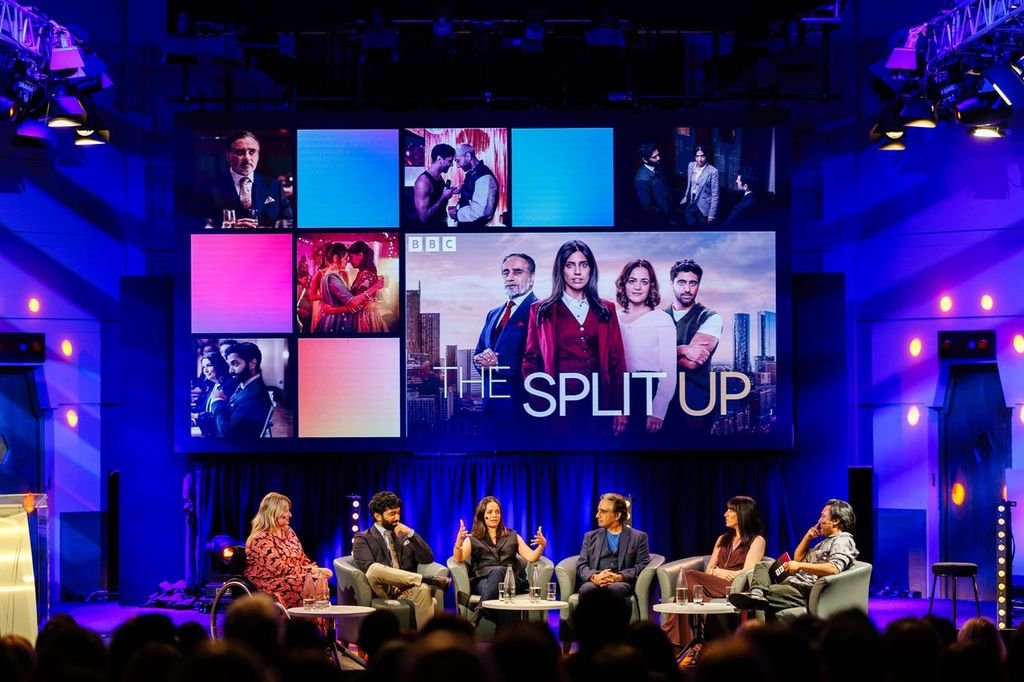
The BBC brought together more than 200 guests from across the creative industries at its Radio Theatre in London last month for an event examining South Asian representation in British broadcasting and opportunities for emerging talent, according to a statement.
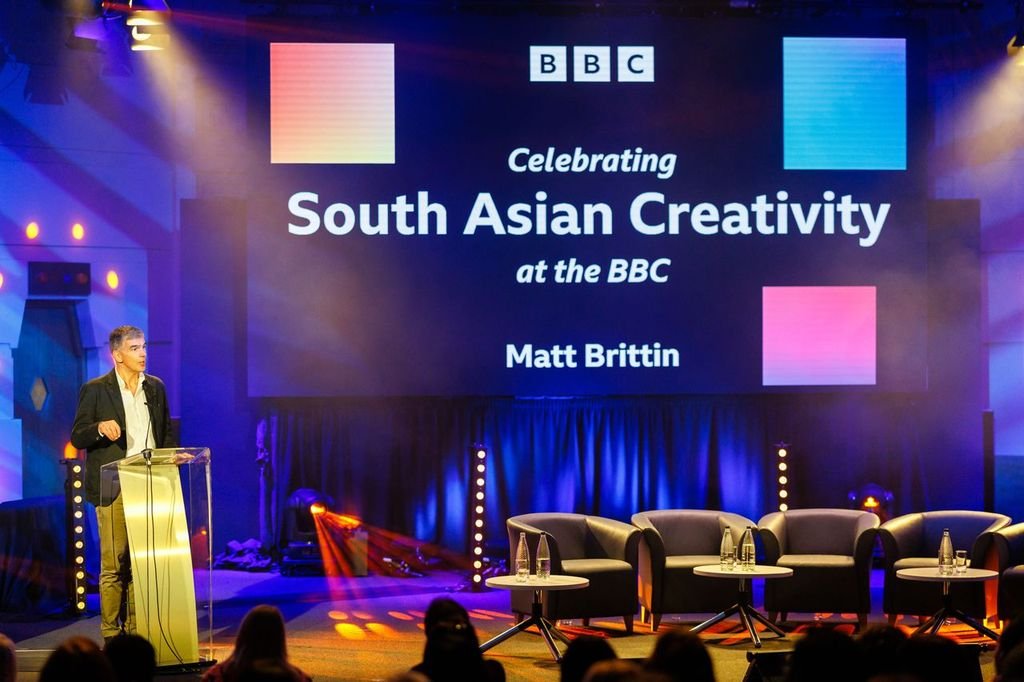
The evening opened with remarks from BBC Director-General Matt Brittin, who announced that the drama The Split Up had been renewed for a second series, the statement said.
Created by Ursula Rani Sarma and set in Manchester, the series follows a British South Asian family running a prominent law firm. The statement described its renewal as a milestone for South Asian storytelling, with a British Asian family at the center of a mainstream BBC drama.
BBC commissioning executive Nawfal Faizullah moderated a panel on the making of the series. Sarma joined actors Sanjeev Bhaskar, Aysha Kala and Danny Ashok, along with SISTER executive producer Bryony Arnold, to discuss the production’s development and approaches to telling nuanced stories.
Advertisement
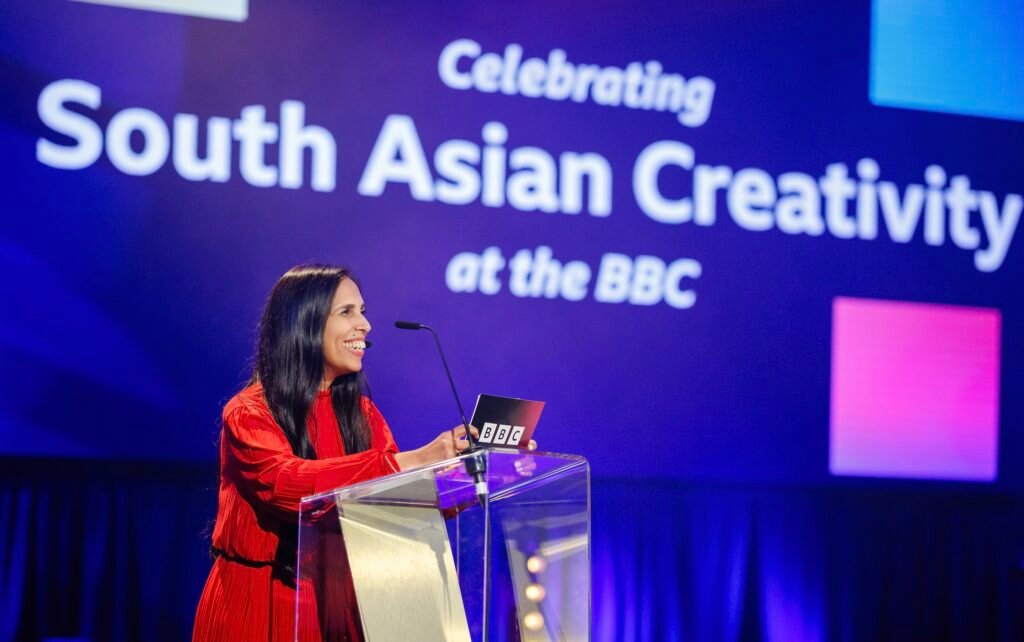
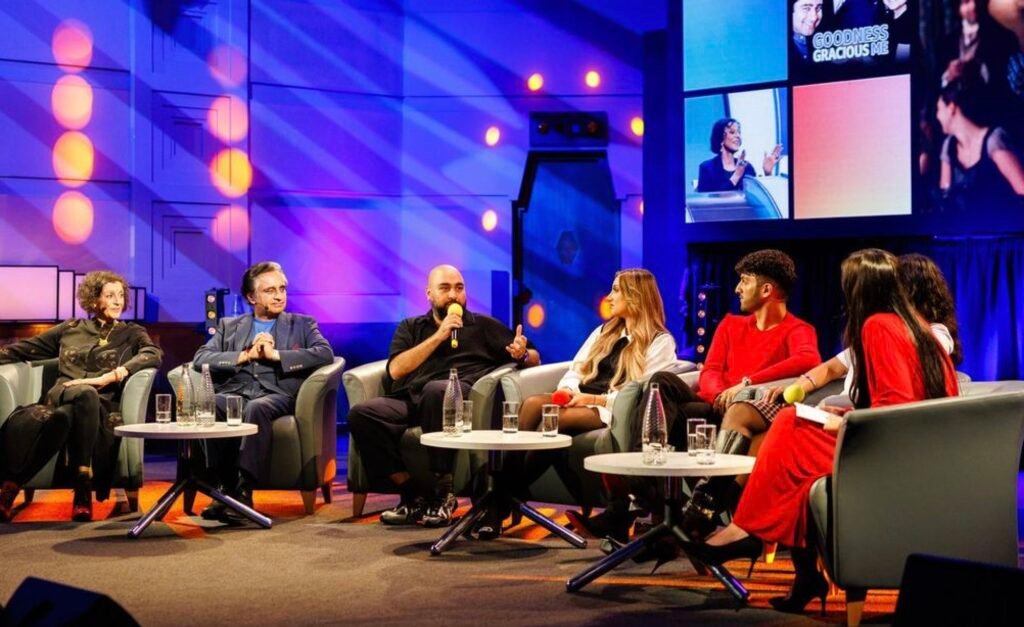
A second panel, “South Asian Voices at the BBC,” was moderated by Jessica Schibli, the BBC’s head of creative diversity. Participants included Dame Meera Syal, Bhaskar, comedian and actor Asim Chaudhry, broadcaster Nikita Kanda, digital creator Shabaz Ali and actor Varada Sethu.
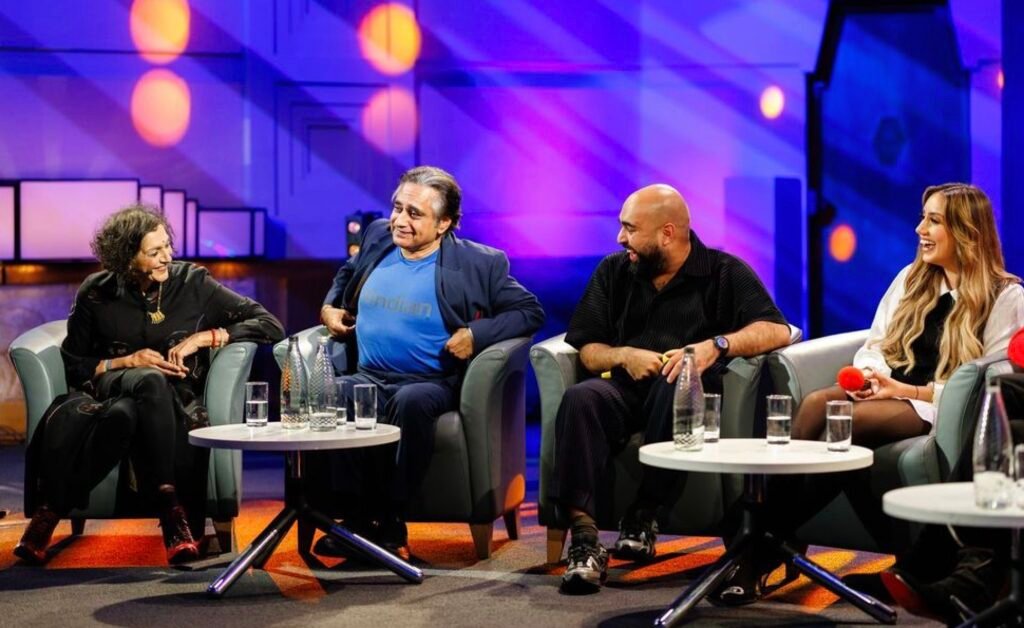
The panelists discussed their careers, changes in South Asian representation and the need to create opportunities for new talent both on and off screen, according to the statement.
The event also featured a showreel highlighting South Asian stories across BBC television and audio, including drama, comedy, factual programming and entertainment.
The BBC said the gathering was part of its broader Creative Diversity engagement program, which seeks to support authentic representation and expand opportunities across the industry.
The statement emphasized the BBC’s role as a public service broadcaster in reflecting the diversity of the United Kingdom through its programming and the voices it features.
While recognizing South Asian contributions to British broadcasting, the event also highlighted the need for a wider range of stories, continued support for emerging talent and more varied portrayals of South Asian experiences, the statement said.