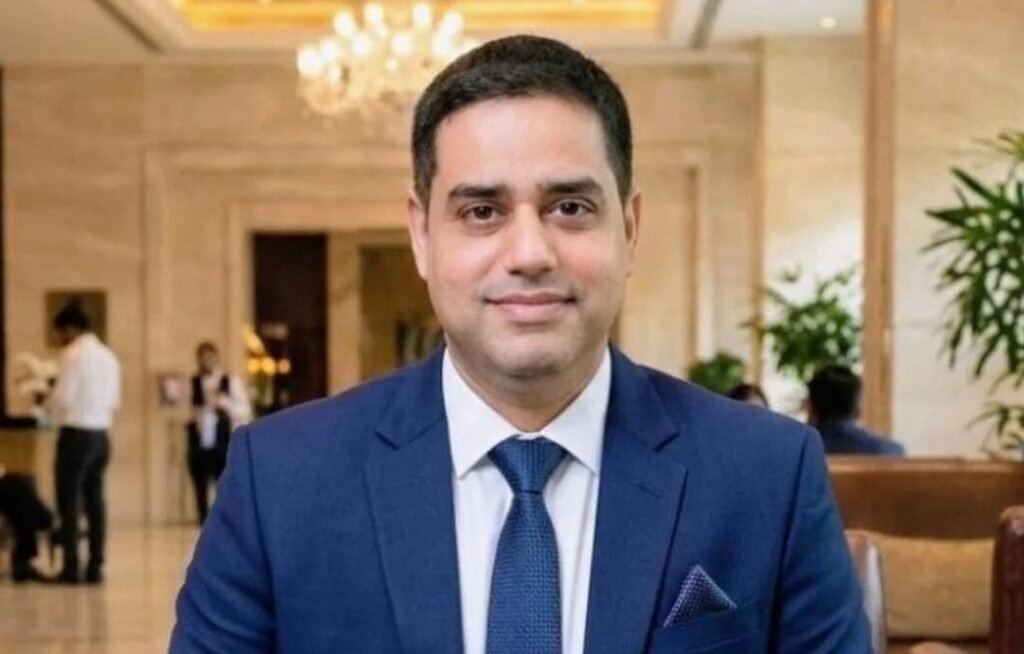
When Anuradha and Vikas Sinha decided to give $20 million to the University of North Texas, they were not simply writing a check to their alma mater. They were making a statement about what immigrant wealth is for—and where it belongs.
The gift will establish a new College of Artificial Intelligence and Advanced Analytics at UNT. For the Sinhas, both Indian-origin immigrants, the donation is deeply personal. It traces a line from their own student journeys in the United States to a future in which artificial intelligence and advanced analytics become core academic disciplines, not side projects.
But the Sinha gift is more than a story about one couple. It is a window into a broader transformation in diaspora philanthropy.
For decades, the giving patterns of first-generation South Asian immigrants were shaped by distance and duty. Money flowed to temples, mosques, gurdwaras, family networks, and hometown institutions in India, Pakistan, Bangladesh, or Sri Lanka. The logic was intimate: support the people and places that had formed you. The goal was often preservation—of faith, family, and cultural memory.
Advertisement
Today, that logic is expanding.
A new generation of successful non-resident Indians and other South Asian diaspora donors is directing wealth toward the institutions that shape technological infrastructure: universities, research centers, AI labs, data science programs, and engineering schools. They are not abandoning their roots. They are redefining what roots can build.
The shift is partly generational. The first wave of South Asian immigrants often arrived with a scarcity mindset. They saved, sent remittances, and invested in family stability. Their philanthropy was defensive—protecting against precarity. Their children and grandchildren, many now leading companies, venture funds, and research teams, operate with a different mindset. They see philanthropy as a form of institution-building. They want to influence the architecture of knowledge, not just the symbols of identity.
The Sinha donation reflects that ambition. A College of Artificial Intelligence and Advanced Analytics is not a cultural center or a scholarship fund, though those are valuable. It is a permanent academic structure. It will hire faculty, admit students, design curricula, attract industry partnerships, and produce research. It will create a pipeline of talent. It will give the Sinhas—and donors like them—a lasting voice in how AI is taught and applied.
That voice matters because AI is not a neutral technology. It is reshaping labor markets, health care, finance, education, and governance. The people who fund AI research help determine which problems get solved, which communities benefit, and which ethical questions are taken seriously. When diaspora donors invest in AI education in the West, they are not just supporting a university. They are helping to write the rules of the next technological era.
At the same time, the story is not only about power in the West. It is also about pipelines back to South Asia.
Diaspora philanthropy is increasingly bidirectional. Donors who build AI institutes in Texas or California are also funding research collaborations, startup ecosystems, and university partnerships in India, Pakistan, Bangladesh, and Sri Lanka. They sponsor exchange programs, mentor students, invest in deep-tech ventures, and create networks that move ideas, people, and capital across borders. The old model was charity from afar. The new model is collaboration across distance.
This is where the phrase “Silicon Prairies” becomes useful. Innovation is no longer confined to Silicon Valley, Boston, or Seattle. It is growing in places like North Texas, where public universities serve large, diverse, and ambitious student populations. The Sinhas’ gift to UNT signals that the diaspora is willing to invest in institutions outside the traditional elite corridors. That choice could democratize access to AI education and spread its benefits more widely.
Still, the rise of diaspora tech philanthropy raises difficult questions. Will these gifts primarily serve the interests of donors and corporations, or will they prioritize public good? Will they deepen ties between the United States and South Asia, or reinforce inequalities within both? Will they support ethical AI, or simply accelerate commercial applications? And will the new institutional power of diaspora donors be matched by accountability to the communities they came from?
There are no easy answers. But the direction of travel is clear. The immigrant dream is no longer only about arriving and succeeding. It is about building the institutions that will define what success means for the next generation.
Anuradha and Vikas Sinha’s $20 million gift is a landmark. But it is also a signpost. It points to a future in which diaspora wealth is not just a bridge between two homelands, but a force that shapes the technological commons we all share. The question now is not whether the diaspora will rewrite the rules of global tech giving. It already is. The question is what kind of world those rules will create.
Disclaimer: The opinions and views expressed in this article/column are those of the author(s) and do not necessarily reflect the views or positions of South Asian Herald.