Join WhatsApp Channel

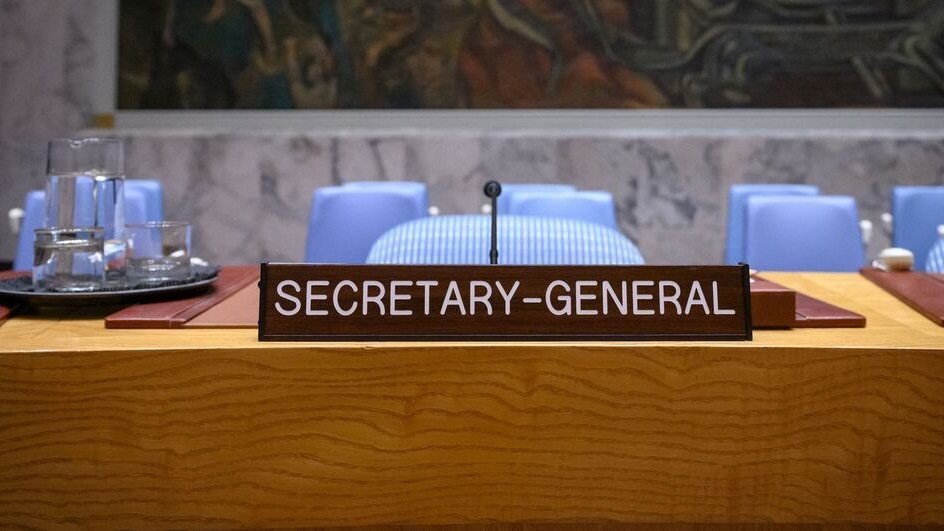
Over two days last week, the four candidates vying to become the next Secretary-General of the United Nations took the public stage to share their plans for guiding the organization through challenging times. This was quite a milestone in UN diplomacy, which is usually quite private. For a brief moment, the world got a closer look at how this process unfolds.
This issue is truly important. For only the second time, the global community had a real chance to hear directly from the contenders, without filters or behind-the-scenes negotiations, speaking in their own words. Michelle Bachelet (Chile), Rafael Grossi (Argentina), Rebeca Grynspan (Costa Rica), and Macky Sall (Senegal) each shared their unique ideas on how to lead the United Nations, which faces many challenges, including being overstretched, underfunded, and politically constrained.
Valuable Insights
Still, it is helpful to keep a balanced view of those hearings. They offered valuable insights and shed light on critical issues, yet they did not conclude everything. The candidates shared their stories with an international audience, which was great. However, that audience does not have the final say in the decision-making process.
The authority still mainly lies with the UN Security Council, especially its five permanent members. Their veto power continues to significantly influence decisions. Although there is more public oversight, making the process more transparent, it has not necessarily made it more democratic. The United Nations might be more visible now, but the most important decisions are still made quietly behind closed doors. Right now, the process is entering its most crucial stage.
No candidate stood out with a spectacular performance during the April 21-22 hearings, making it difficult to reach a clear consensus. All four candidates came across as credible and spoke confidently about reform. While none of them clearly outshone the others in a way that would compel the major powers to support them outright, this usually marks the end of the public debate and the start of the private negotiations. In these more behind-the-scenes talks, the focus shifts from speeches to discreet bargaining, where real decision-making happens.
If anyone left the hearings feeling even a little more confident, it was Rafael Grossi, the current Director-General of the International Atomic Energy Agency. He might not have been the most eloquent speaker, and that is okay. His real strength comes from building relationships. With his vast experience in nuclear diplomacy, from Iran to Zaporizhzhia, he has become a familiar and trusted face in all five permanent capitals. In a world driven by power politics, that kind of trust often means more than just applause.
Rebeca Grynspan, current Secretary-General of the UN Conference on Trade and Development and a former Vice President of Costa Rica, presented a very thoughtful and well-prepared case. She exuded calm and demonstrated a deep understanding of the real challenges ahead, including budget cuts, institutional shifts, and the widening trust gap between the United Nations and its member states. Her way of speaking felt more like someone already stepping into the role rather than just campaigning for it. In a process where merit is key, this could have made her the top candidate. Still, the big question is whether doing well alone is enough in a system still shaped by geopolitical considerations.
Michelle Bachelet entered with a very strong global presence. As a former president of Chile and a past UN human rights chief, she naturally brought respect, recognition, and a sense of history. Alongside Grynspan, Bachelet is also one of just two women vying to lead the United Nations. It is notable because, after eighty years, the position has traditionally gone to men. However, there are challenges too. Her past work on human rights, especially regarding China, has made her a more complex figure in some key capitals. In a process that favors broad acceptance over bold ideas, her high profile can sometimes be a double-edged sword.
Macky Sall, a former president of Senegal, made a strongly political point among the four presenters. He argued that the United Nations needs more than just managerial changes. It requires deep structural reforms. He stressed that the organization must do more than just appease the frustrations of the Global South by giving them better representation. This was the clearest challenge to the current system. His main hurdle is not about credibility but geography. Even though many expect the next Secretary-General to come from Latin America, Sall is the only candidate who challenges the regional expectations in this race.
Grossi and Grynspan are leading the way with some of the most notable progress. Bachelet remains a strong contender and is gaining more political visibility, which is exciting to watch. Sall still plays an important role, primarily influencing the negotiations rather than securing victory, but his contribution is definitely valuable.
Real Story
The real story here is not just about who performed best, but about what this process reveals about the state of the office. The person chosen will step into a United Nations facing serious challenges. It is struggling financially, politically hindered, and facing growing mistrust from many member governments. This is not just a ceremonial role. It is a position that calls for navigating through crisis. The next Secretary-General will need more than diplomacy. They will need to show political courage, strong management skills, and a willingness to confront institutional decline.
Despite its intentions, the system is often built to lean toward caution. The Security Council tends to choose the most acceptable and safe options, usually selecting candidates who are unlikely to unsettle the veto powers. This highlights an interesting paradox. While the United Nations publicly supports change, its most powerful members often focus on maintaining stability. This balancing act is what now shapes the real dynamics of the contest.
Disclaimer: The opinions and views expressed in this article/column are those of the author(s) and do not necessarily reflect the views or positions of South Asian Herald.
Related posts:
 Alberta’s Battle River-Crowfoot Riding Poised to Set World Record
 Pierre Poilievre Faces Record Candidate Count in Alberta Byelection
 Record 214 Candidates in Alberta By-Election Push Elections Canada to Use Write-In Ballot
 2025 Spring Meetings: World Bank President Banga Stresses Importance of Lower Tariffs and Regional Trade at High-Level Panel