Join WhatsApp Channel

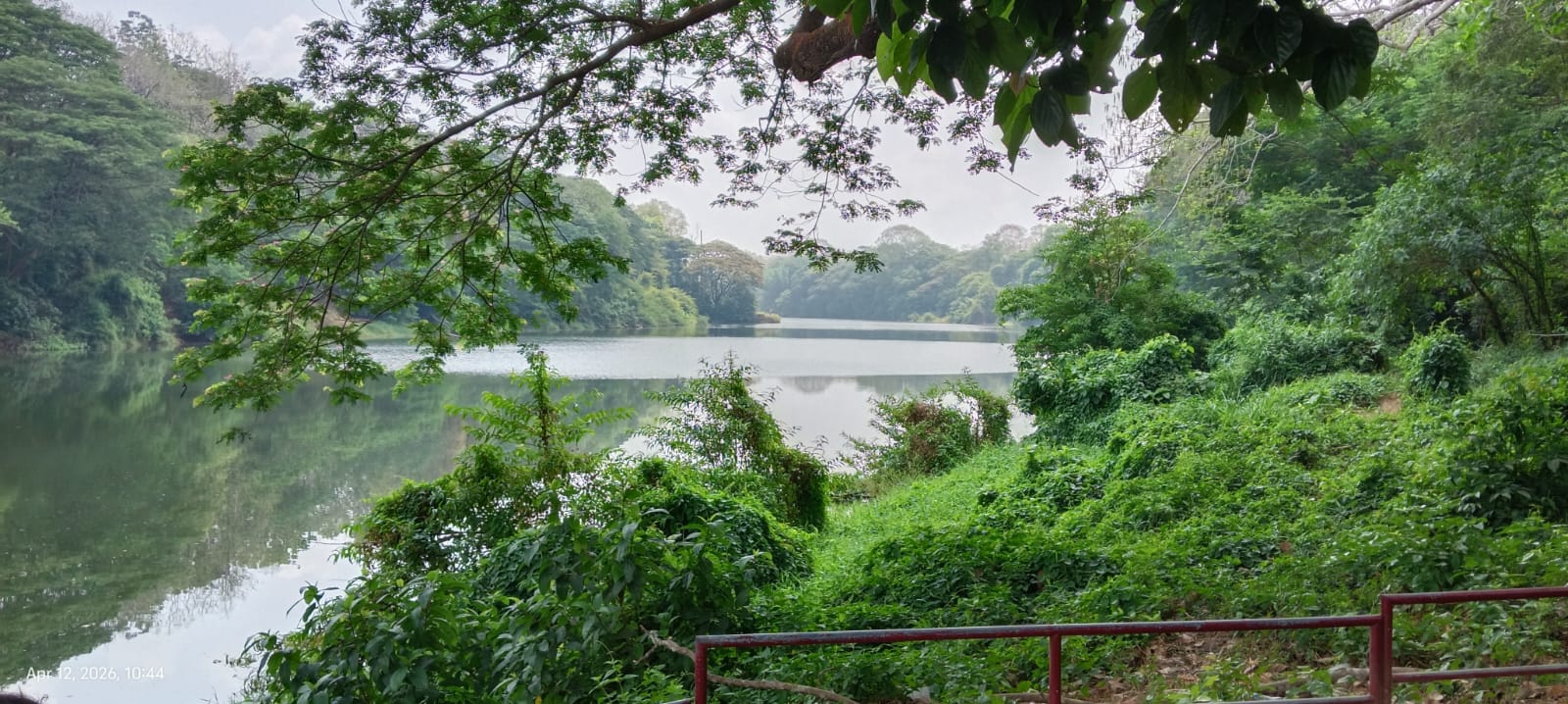
You can drive a million times through these sylvan landscapes of north Malabar, amidst the dense greens of Kerala, but you just cannot escape the onslaught of emotions triggered by nature that envelops and overwhelms.
It’s a staccato of sweet memories that the balmy April breeze outside generates, bringing along with aromas of fresh bubbling curries and dense green vegetation.
Zipping past quaint pretty towns with names like Mavoor, Areekode, Edavana, Pookothupadam before reaching destination Nilambur offered me a series of instant de ja vous. I could see Tipu’s men winding their way through the foliage, with swords and flashing bayonets geared up to confront the imperial British.
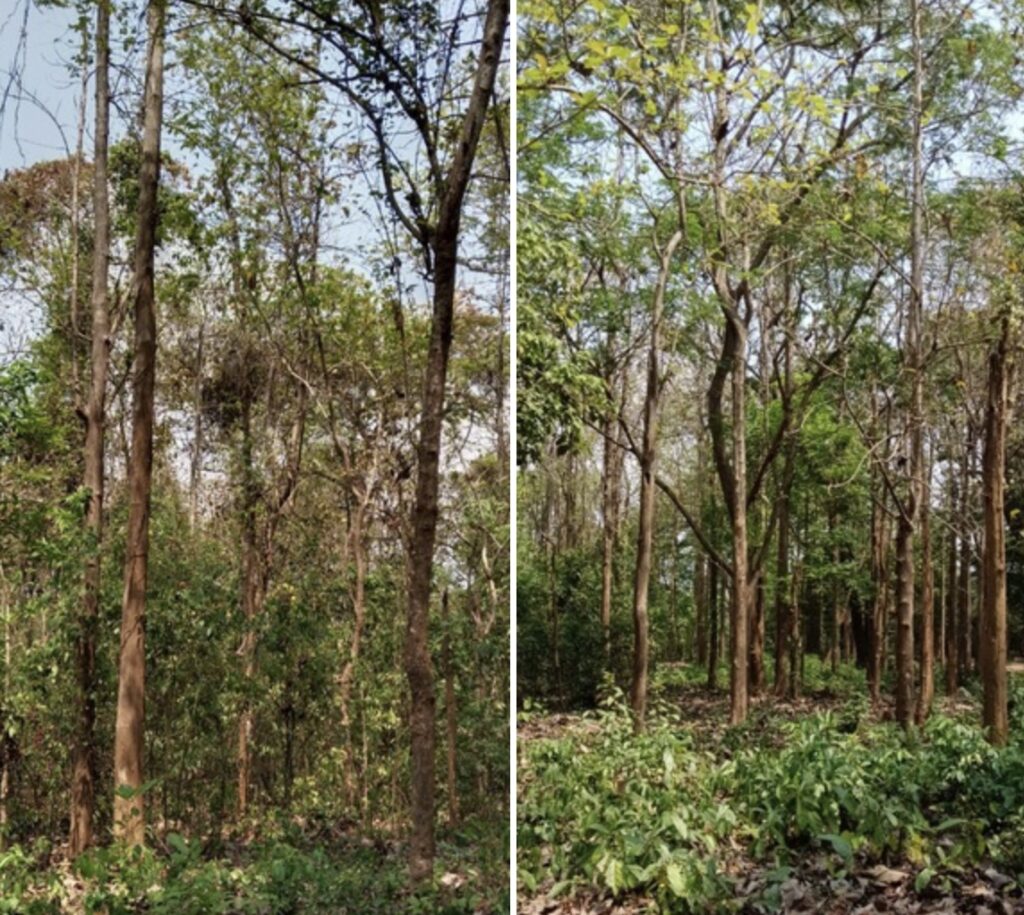
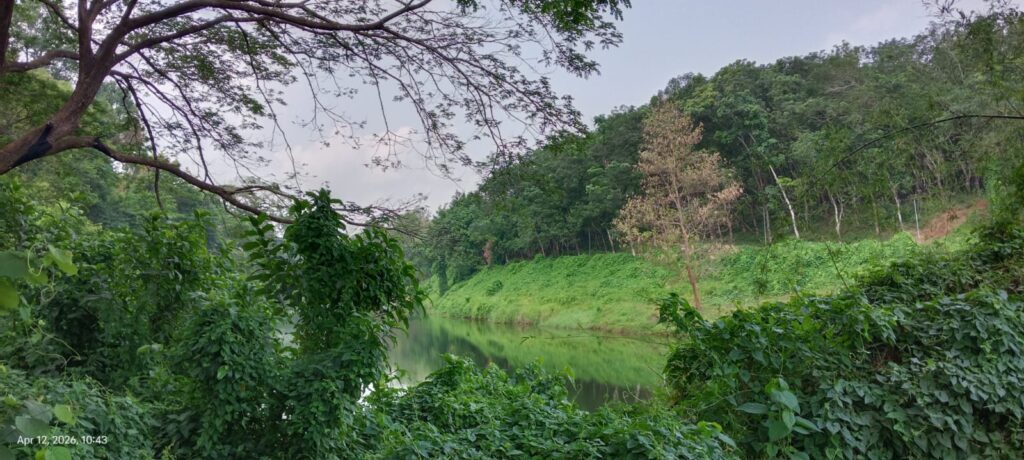
My destination at Nilambur, nestled about 1300 hundred feet above sea level, lies in close proximity to the western ghats and Nilgiris mountains, offering breathtaking sights especially for sore eyes like mine. To add beauty to the landscape Nilambur is filled with shocking green groves of ramrod straight majestic teak trees. Complementing these stunning vignettes is the amalgamation of two rivers– Chaliyaar and Kunjipura skirting these dense teak forests.
The most beautiful part of the journey is that the place is soaked in history! The word itself ‘theku’ which became teak in English originates from this place home to the oldest and largest teak forest in the world.
Nilambur, a vassal to the Zamorin, once served as a local power center in the Malabar region from the 13th century until 1947. This erstwhile princely state of Nilambur became a primary source of teak wood for the Royal Navy’ s military hardware particularly during the 19th – 20th century as the British switched to teak from oak.
It was a period when oak wood was fast losing its popularity among global shipbuilders because of the presence of lignin acid in Oak corroded metal components used to hold the ship together.
These factors made the British turn to India and its teak marking an emblematic example of the “shift toward east.” The teak from Nilambur played a critical role in the shipbuilding boom in India between 1793 and 1815, when the Bombay shipbuilders constructed more than 60 ships made from Nilambur teak.
The British were also gravely concerned by a growing shortage of oak. Various officers had reported favorably on the performance of teak-built ships in action which they found had a far lower percentage of splinter wounds, when under enemy fire, than an oaken vessel.
Major James Rennel, also known as the father of Indian geography at the turn of the 19th century, said that “Teak Ships of forty Years old and upwards are not uncommon objects on the India Seas, while European Ship is ruined there in five years.”
Two shining examples of the longevity of teak ships constructed in Bombay from Nilambur teak: built in 1813, the 1767 tons HMS Cornwallis was finally broken down only in 1957, a stupendous 144 years in the sea. The HMS Trincomalee built in 1812, still lies afloat in Hartlepool, England.
At the turn of the 19th century, teak timber became a key resource for English power. After part of Malabar was annexed in 1792 following the third Mysore war and then the final fall of Tipu Sultan in 1799, the exploitation of India’s teak resources was pursued practically without any obstacles.
Teak became, like hunting deer in England in 1723 a royal prerogative. By restricting access of the inhabitants to the forests the British tried to curb the felling of teak by the locals.
Soon, the British East India Company secured the services of Lowji Nusserwanji Wadia, who founded the Wadia group, to build docks and ships in Bombay in 1736. Lowji Wadia, leading a team of ten carpenters, reached Bombay from Surat after a written request from the British Government in 1736. What happened next was history.
Over time these Parsee shipwrights produced ships that sailed the oceans of the world, made from this very Nilambur teak. HMS Salsette (1807), HMS Minden (1810), HMS Cornwalis (1813), HMS Trincomalee (1817), HMS Ganges (1861) were among the early ships churned out.
When their association with the Bombay Dockyard came to an end in 1913, the Lowji Wadia family had built an impressive fleet of over 400 ships, from barques to schooners, merchant vessels and man-o-wars, cutters and clippers, frigates, water boats to steamships!
Another sliver of history worth narrating connected to the Nilambur teak goes back to the bombardment of Fort McHenry in Baltimore, September 12, 1814. Holed up in the quarter deck of this Bombay built warship HMS Minden, American lawyer Francis Scott Key was watching the incessant canon shelling of the fort McHenry at Baltimore his hometown.
Key who was held hostage for over 24 hours as the Minden continued the shelling was utterly astonished that the American flag of the time had 15 stars and 15 stripes on the fort still flapped majestically without damage. Call it patriotism or inspiration Key penned the poem ‘The Defense of Fort Mc Henry’ instantly on the decks of the ship itself, which became a roaring hit. The song was later renamed as ‘The Star-Spangled Banner’ and eventually made the National Anthem of USA!
Nilambur teak is used in the interiors of the iconic Rolls Royce cars, says automobiles enthusiast and expert Neville Moorkoth. “The warm tones of the wood lend a sense of opulence to the interior of the car, creating a harmonious blend of craftsmanship and sophistication,” says Neville. Neville pointed out that this very teak, known for its distinct golden hue was used in the construction of the Buckingham Palace in 1705, incredible? Believe it or not!!
Today, Nilambur teak carries a GI tag, the first forest produce in the world to achieve that distinction. In other words, it is a seal of confidence that endorses the wood’s genuineness and superior quality. It also helps customers to choose the right wood in a market flooded with counterfeit teak.
As I walked back from this nearly 6 acres of teak plantation established in 1846, known as Conolly’s Plot christened after the collector of Malabar, Henry Vincent Conolly this plantation had marked the beginning of systematic forest management in India. Conolly had carefully raised a teak plantation of 1500 acres, a portion of which was named as Conolly Plot.
Today, a meticulously marked 6 acres of teak is what is left for us to see and reminisce about a bygone era that was so much dependent on this magnificent tree.
Disclaimer: The opinions and views expressed in this article/column are those of the author(s) and do not necessarily reflect the views or positions of South Asian Herald.
Related posts:
 Over 1,100 Indian Sailors Trapped as War Chokes the World’s Oil Lifeline
 Emmy-Nominated ‘Destination Oak Tree Road’ Chronicles Indian-American Legacy in New Jersey
 OFIC Urges Canada to Fast-Track CEPA Talks as British Columbia Trade Mission Arrives in India
 Moscow Summit Sees India Draw a Hard Red Line on Terrorism