Join WhatsApp Channel


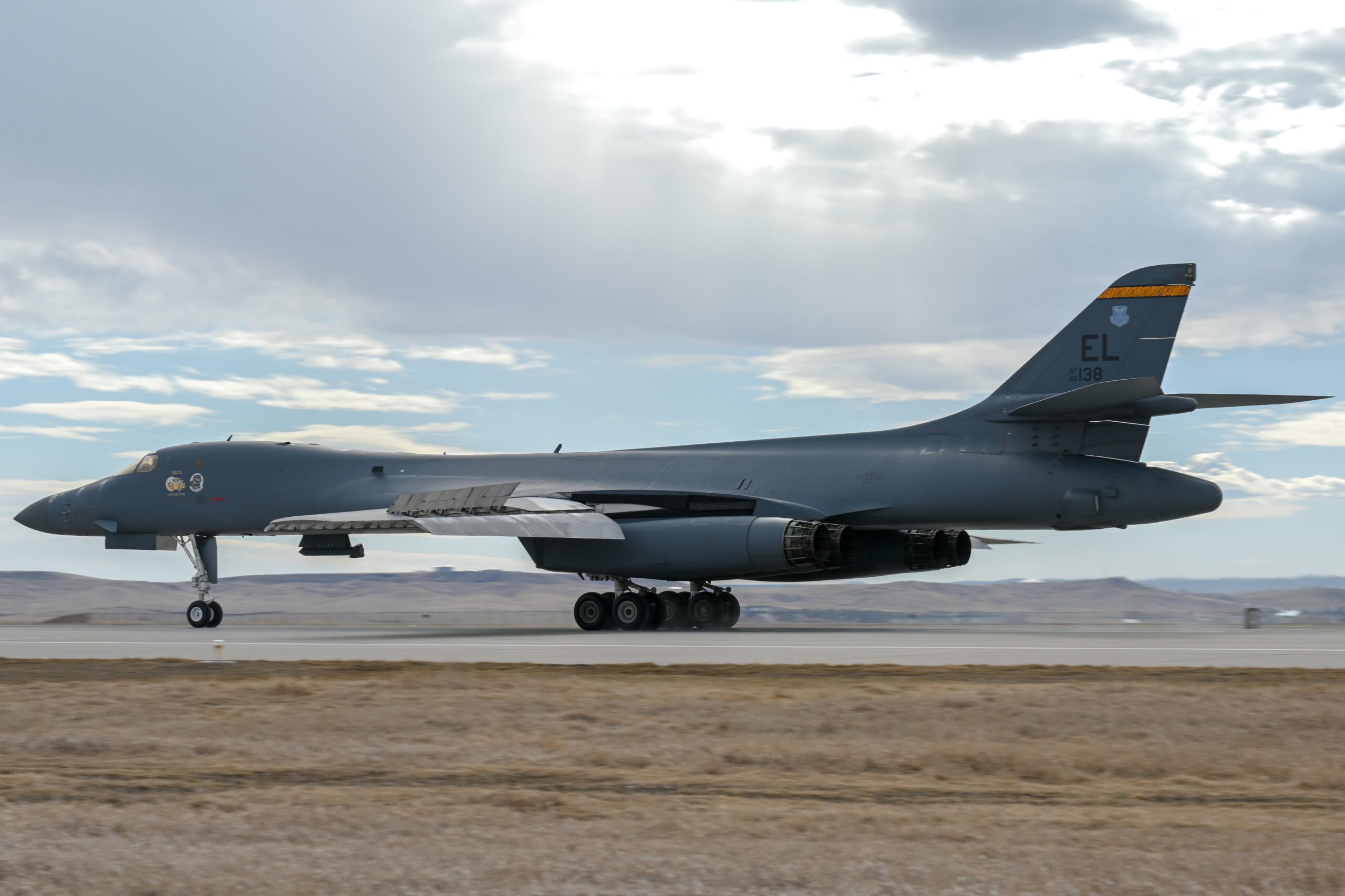
The widening confrontation between Israel, the United States and Iran has plunged the Middle East into a moment of dangerous uncertainty. Airstrikes, retaliatory missile attacks and the apparent unraveling of political authority in Tehran have created a crisis that stretches well beyond Iran’s borders. While global attention has largely focused on the military confrontation itself, another major power is watching developments with deep concern: China.
For Beijing, instability in Iran represents more than just another regional conflict. It threatens a carefully constructed network of economic and strategic relationships that China has built across the Middle East over the past decade. The turmoil in Tehran therefore raises a critical question: how resilient is China’s expanding influence in a region long dominated by the United States?
China’s rise in the Middle East has been driven primarily by economic engagement rather than military alliances. Through trade, infrastructure investments and energy partnerships, Beijing has quietly positioned itself as a major external stakeholder in the region. Iran has been an especially important partner in this strategy. The long-term China–Iran cooperation agreement and infrastructure projects linked to the Belt and Road Initiative were designed to strengthen economic connectivity between East Asia and the Middle East while giving Beijing a foothold in a geopolitically strategic country.
But wars have a way of disrupting carefully designed geopolitical strategies. The ongoing conflict has shaken Iran’s political stability and raised the possibility of prolonged internal turmoil. If Tehran’s leadership weakens or the state itself becomes increasingly unstable, many of China’s long-term plans in the country could be jeopardized. Infrastructure investments, energy cooperation and transport corridors depend on political stability something that now appears far from guaranteed.
Energy security is perhaps the most immediate concern for China. As the world’s largest importer of oil, China relies heavily on supplies from the Gulf region. Much of this energy travels through the Strait of Hormuz, one of the most critical maritime chokepoints in the global economy. Any disruption to shipping in this corridor has immediate consequences for energy markets and industrial economies across Asia.
The current conflict has already triggered fears of such disruptions. If hostilities intensify or shipping routes become unsafe, the ripple effects could be felt from Shanghai to Mumbai. For China, whose economic growth still depends on steady energy supplies, the risks are considerable.
At the same time, the crisis highlights a deeper structural limitation in China’s Middle East strategy. Beijing’s influence in the region is largely economic, not military. Unlike the United States, China does not maintain a large network of military bases, security alliances or defense commitments in the Gulf. Its approach has been based on diplomacy, trade and infrastructure development.
That strategy has worked well in times of relative stability. However, moments of conflict reveal the limits of economic influence without corresponding security capabilities. When wars erupt and regional security is at stake, the actors with military presence and alliances inevitably shape the outcome. In the Middle East, that role has long been played by the United States.
China therefore faces a delicate balancing act. On one hand, it has strategic reasons to maintain its partnership with Iran and oppose actions that destabilize the country. On the other hand, Beijing has significant economic ties with other Middle Eastern states, including Saudi Arabia, the United Arab Emirates and Israel. Taking a strong position in favor of one side risks alienating others.
This explains China’s cautious diplomatic response so far. Beijing has called for restraint, emphasized dialogue and avoided direct involvement in the conflict. Its leadership understands that becoming entangled in the region’s complex military rivalries could undermine the very economic relationships it has spent years cultivating.
Yet the crisis may also reshape regional perceptions in ways that ultimately benefit China. If the conflict escalates or leads to prolonged instability, many Middle Eastern countries may seek to diversify their external partnerships. Some governments could increasingly look to China as an economic partner capable of providing investment and development without the political conditions often associated with Western alliances.
For South Asia, the implications of these developments are significant. Countries across the region depend heavily on Middle Eastern energy supplies and maintain growing economic ties with China. A prolonged war affecting oil routes or regional stability would quickly impact South Asian economies already navigating global uncertainty.
Moreover, China’s response to the crisis will offer clues about how it intends to operate as a global power. Beijing has long presented itself as a champion of economic cooperation and diplomatic engagement. Whether that approach can withstand the pressures of major geopolitical conflict remains an open question.
The turmoil in Tehran therefore carries lessons that extend far beyond Iran itself. It exposes the vulnerabilities of energy-dependent economies, the fragility of geopolitical partnerships built on stability, and the enduring importance of military power in shaping international outcomes.
China’s ambitions in the Middle East are real and growing. But the unfolding war serves as a reminder that influence built on trade and infrastructure alone may not be enough when the region once again finds itself at the center of global conflict.
Disclaimer: The opinions and views expressed in this article/column are those of the author(s) and do not necessarily reflect the views or positions of South Asian Herald.