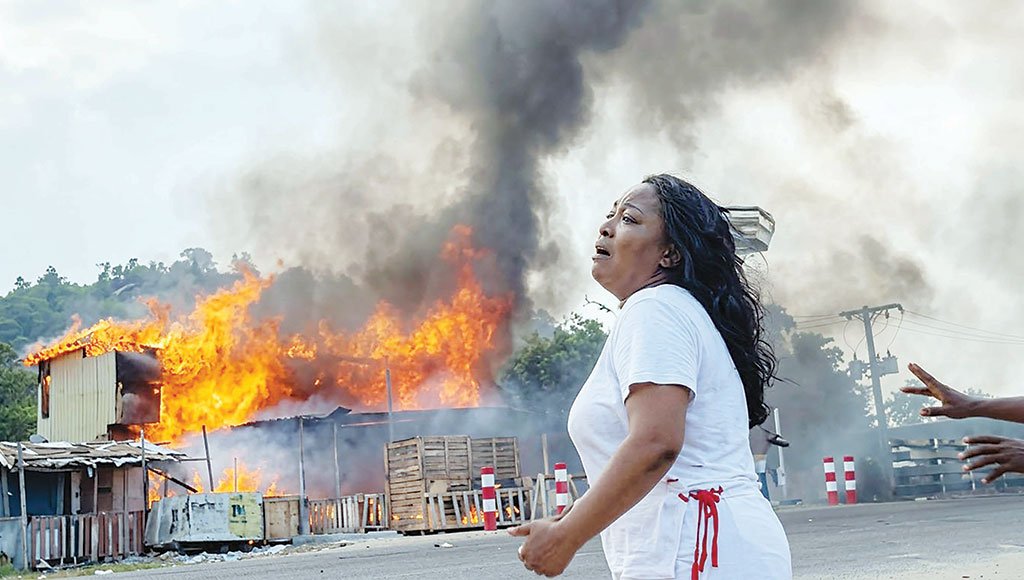

Talking about climate change, some familiar images immediately spring to our mind: devastating wildfires, flash floods, prolonged heat waves, powerful cyclones, or drought-cracked earth. These scenes receive the most attention from mainstream media, social networks, and television because they are immediate, dramatic, and impossible to ignore.
But these disasters represent only the visible face of a much deeper climate crisis. Like the largest part of an iceberg hidden beneath the water, many of the most serious consequences of climate change remain largely unseen. The true cost is not limited to destroyed homes, damaged infrastructure, or lost crops. Climate change is also undermining food security, public health, livelihoods, economic stability, social cohesion, and sustainable development.
Visible Disasters: The Public Face of Climate Change
Across the world, climate-related disasters are disrupting lives and livelihoods. Heavy rainfall, flash floods, prolonged droughts, extreme heat, powerful cyclones, and wildfires are affecting communities in almost every region. Because these events cause immediate deaths, infrastructure damage, displacement, and enormous economic losses, they naturally dominate media headlines – yet the underlying consequences often escape attention.
Advertisement
Governments, humanitarian organizations, and communities often respond with emergency relief, rescue operations, and reconstruction. These interventions are essential, but they frequently focus on the immediate aftermath of a disaster. The less visible consequences can continue for years, making already vulnerable communities even more exposed to future shocks. A disaster may end when floodwaters recede or a wildfire is extinguished, but for affected families, the crisis often continues through lost income, food insecurity, debt, disrupted education, poor health, and displacement.
Another Crisis Begins Behind Every Disaster
Every climate-related disaster can trigger a chain reaction. When crops fail because of drought, the consequences go far beyond reduced agricultural production. Food shortages may emerge, prices can rise, and low-income families may struggle to afford sufficient and nutritious food. Farmers can lose their primary sources of income, families may take on debt, and some people may become dependent on humanitarian assistance.
Similarly, when rivers, canals, and other water bodies dry up, the consequences extend far beyond water shortages. Agriculture, sanitation, health, education, and overall quality of life can be severely affected. Women may have to travel long distances to collect safe water, reducing the time available for education, employment, and other productive activities. These indirect effects demonstrate why climate change should not be viewed simply as a series of natural disasters. It is a crisis that can gradually weaken the foundations of everyday life.
Climate Change and Food Security
One of the most serious yet frequently overlooked impacts of climate change is its effect on food security. Erratic rainfall, rising temperatures, declining soil fertility, floods, and droughts are making agricultural production increasingly uncertain. Farmers in developing countries are among those facing some of the greatest risks. When agricultural production declines, food prices can rise. Poor families may be forced to reduce the amount and quality of food they consume. This can increase malnutrition, particularly among children and pregnant women.
Hunger, therefore, is not merely a humanitarian concern. It can become a major obstacle to education, health, productivity, and economic development. Without greater investment in climate-resilient agriculture, sustainable food production, water management, and support for vulnerable farmers, food insecurity will remain a growing challenge.
A Silent Threat to Public Health
Climate change is also becoming a major public health challenge. Extreme heat can contribute to heatstroke, dehydration, and other heat-related illnesses. Flooding can contaminate drinking-water sources and increase the risk of cholera, diarrhea, and other waterborne diseases. Changes in temperature and rainfall patterns can also affect the geographic spread of mosquito-borne diseases such as dengue and malaria. Communities that previously experienced limited exposure to particular diseases may increasingly face new health risks.
At the same time, disasters can damage hospitals, clinics, roads, and other essential health infrastructure. When health facilities are disrupted during emergencies, vulnerable people may struggle to receive treatment when they need it most. Building climate resilience in the health sector is therefore essential. Health systems must be prepared not only to respond to emergencies but also to cope with the changing patterns of disease and environmental risk.
Economic Losses and Widening Inequality
Climate change is damaging not only the environment but also economies and livelihoods. After major disasters, governments must spend substantial resources on rescue operations, relief, rehabilitation, and reconstruction. Businesses may be forced to suspend operations, agricultural production can decline, and damaged infrastructure requires expensive repairs.
For poor communities, the consequences are often much more severe. Families can lose savings, homes, livestock, crops, and other productive assets. Many may become burdened with debt. Some families may even be forced to withdraw children from school to cope with financial hardship. Over time, repeated climate shocks can trap vulnerable households in a cycle of poverty. This highlights one of the central injustices of climate change: communities that have contributed relatively little to global greenhouse gas emissions are often among those suffering its most severe consequences.
Displacement, Migration, and Social Instability
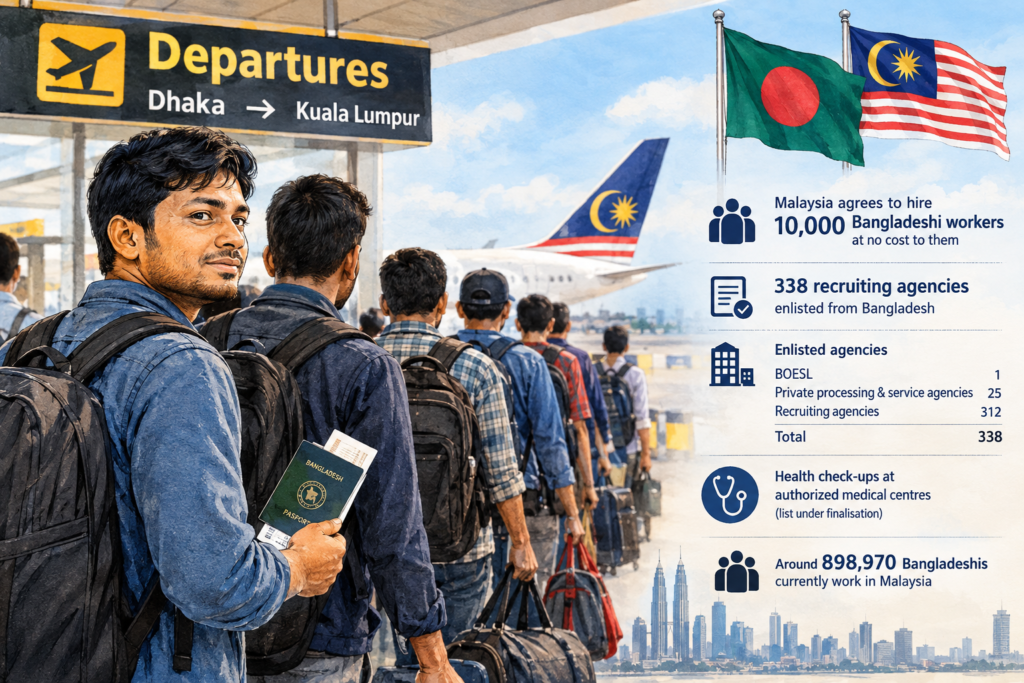
Climate change is also forcing people to leave places they can no longer safely or sustainably inhabit. Rising sea levels, river erosion, coastal salinity, flooding, and prolonged drought are making some areas increasingly difficult to live in. As a result, climate-related migration and displacement are becoming important humanitarian and development concerns.
The pressure does not end when people move. Receiving communities may face additional demands on housing, employment, water, sanitation, education, and health services. Competition over limited land, water, and natural resources can contribute to social tensions, insecurity, and conflict. As a result, peace and harmony in the community disrupted.
Approximately 32 million new internal displacements were triggered by climate-related disasters worldwide in 2022. Depending on future greenhouse gas emissions and adaptation efforts, the number of climate or environmental migrants worldwide could range from 25 million to more than 1 billion by 2050. World Bank projections indicate that tens of millions of people in climate-vulnerable regions such as South Asia could become internally displaced by 2050, including approximately 20 million people in Bangladesh. These figures illustrate the scale of the challenge and show why climate change must also be understood as a development, humanitarian, and security issue.
The Climate Crisis Is a Development Crisis
The impacts of climate change are now affecting virtually every area of development. When schools are damaged by floods, cyclones, or other disasters, children’s education is interrupted. When health facilities are damaged, access to essential services becomes weaker.
Damage to agriculture, industry, roads, bridges, and other infrastructure slows economic growth. Governments may also have to redirect development funds toward emergency response and reconstruction. Resources that could otherwise support education, health, poverty reduction, or infrastructure development are instead spent repairing repeated climate-related damage. So, climate change is making it more difficult for many countries to achieve their objectives and the Sustainable Development Goals. Environmental sustainability must therefore be treated as an essential foundation of long-term development.
Invest Before Disaster Strikes
Addressing climate change cannot be limited to distributing relief after disasters occur. Prevention, preparedness, and adaptation must receive equal attention. This means investing in climate-resilient infrastructure, climate-smart agriculture, safe water management, forest and ecosystem restoration, renewable energy, and effective early-warning systems.
Governments must also develop policies that protect vulnerable populations before disasters strike and strengthen communities’ capacity to adapt. Such investments may require significant resources in the short term, but they can reduce human suffering, economic losses, and reconstruction costs over the long term.
Looking Beyond Visible Damage
The greatest risks posed by climate change are often the least visible. Yet, over time, they may have the most profound effects on people’s lives, livelihoods, economies, and futures. Therefore, measuring the damage caused by floods, droughts, wildfires, or cyclones alone is not enough. We must also examine their long-term effects on food security, public health, poverty, inequality, displacement, education, and development.
Climate change is not merely an environmental crisis. It is a multidimensional challenge involving human survival, economic security, public health, food systems, social justice, and sustainable development. A genuine solution will be possible only when we move beyond responding to the symptoms and address the underlying causes of the crisis. By investing in resilience, protecting vulnerable communities, strengthening essential services, and taking collective action, we can build a safer and more sustainable future. The visible disasters may capture our attention, but the deeper crisis demands our action.
Disclaimer: The opinions and views expressed in this article/column are those of the author(s) and do not necessarily reflect the views or positions of South Asian Herald.