Join WhatsApp Channel


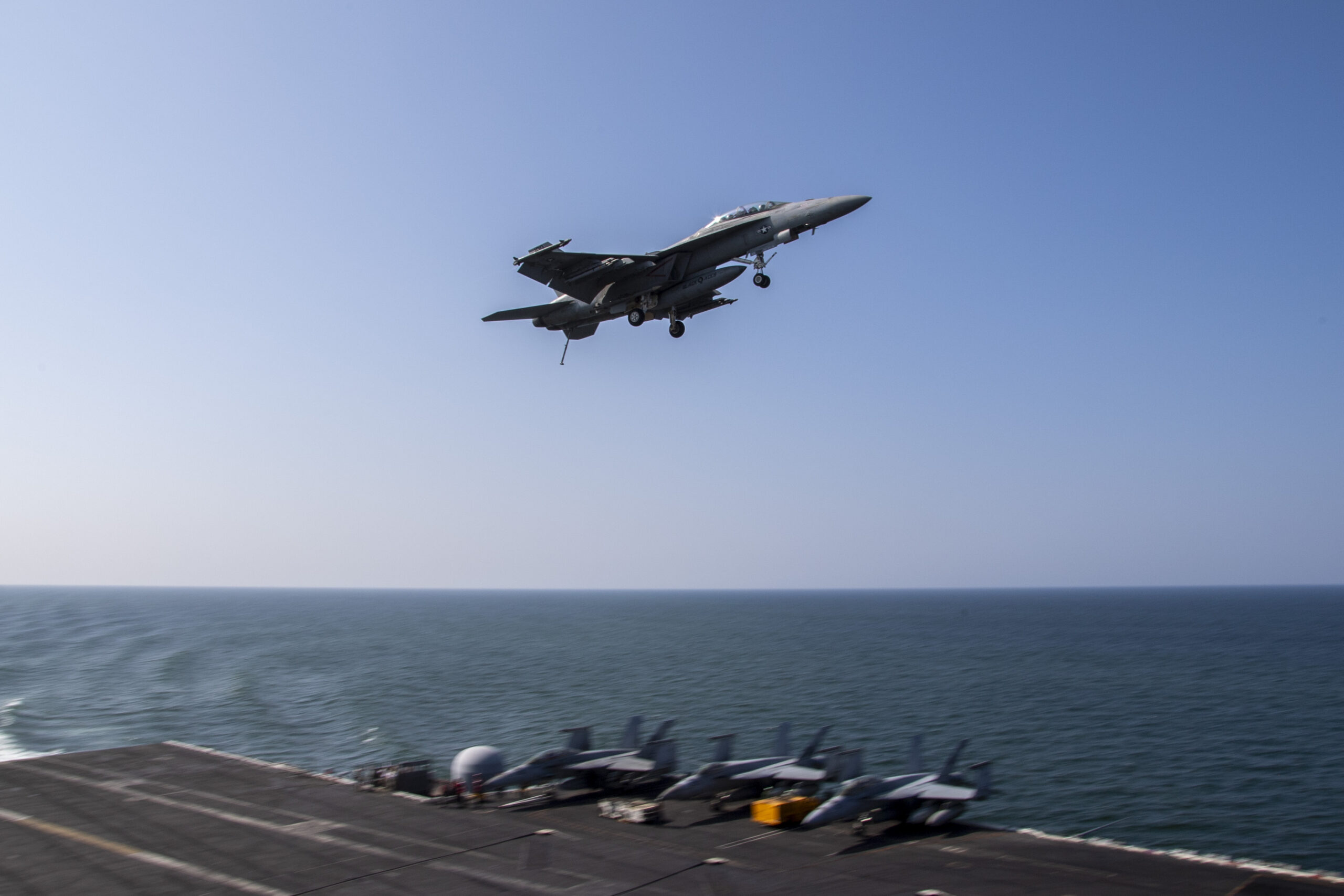
A full week into a conflict where principal policy makers are yet to make up their minds on whether it is a “war” or simply an “operation.” There is no question that the Middle East is in flames with echoes heard not just in the region but on both sides of the Atlantic, in the Indo Pacific, and literally knocking on the doors of both exporters and importers.
All this leading to the zillion dollar question: when will all this stop? When leaders of the United States and Israel say so? When Iran goes about the process of total surrender as President Donald Trump has demanded? When oil prices that have already started surging start really pinching the pockets of Americans? Or when all sides have exhausted their stockpile of bombs, missiles and drones?
The short answer to the question when the war would end is that no one knows. What the world is witness to is a lot of kite flying by way of threats and promises with Washington and Tel Aviv vowing to flatten Iran into submission and Tehran taking to a multi-dimensional attack mode by spreading the war in the Gulf neighborhood rattling the regimes there of their military insecurity and reminding them of their economic vulnerabilities.
The near closure of the Straits of Hormuz has sent a chilling message of nearly 20 percent of global oil passage in near total jeopardy. Tanker owners willing to take the risk and steep rise in insurance rates appear to be taking a gamble, their success will ultimately be passed on to customers by way of higher prices. The same goes for those looking at alternative shipping lanes.
It is not just the bombs and missiles that are making a difference in this weeklong conflict: it is in the challenge of the Iranian attack drones, the Shaheds especially, that are proving to be a headache to the interceptors and air defense systems who are finding difficulty in tracking the low-slow flying objects. It is not merely a question of hundreds of these projectiles in the air at one time that would have to be taken down, but in factoring the cost as well: it is said that the Iranian drones are only a fraction of the cost of a missile fired to bring it down. Money is one part of the problem; the other being stockpile of interceptors.
For the record at least, American military officials are downplaying concern of the drones and interceptors, an issue that will surface frequently should the conflict drag on. “We do not have an unlimited supply” remarked Senator Mark Kelly, a Senator who sits on the Armed Services Committee.
“The Iranians do have the ability to make a lot of Shahed drones, ballistic missiles, medium range, short range and they’ve got a huge stockpile. So at some point … this becomes a math problem and how can we resupply air defense munitions. Where are they going to come from?,” he added. Officially the thinking is that this conflict could be wrapped up in three to five weeks.
But House Minority leader Hakeem Jeffries believes that it could go on for weeks. “There’s no explanation as to what actually prompted the decision to pursue this war of choice, in the absence of any evidence that there was an imminent threat to the United States of America or American interests in the region,” he said.
Some analysts will stress that a prolonged conflict in the Middle East will have negative implications for the Republican Party at the mid-term elections in November especially if it impacts gasoline prices at the pump; and a rise in cost of living. In fact there are those who keep talking of the Epstein Files as if to make the point that war and gun boat diplomacy are all intended to keep attention away from a problem that will simply not go away.
The oil and natural gas rich Gulf region is terrified at the implications of an intensified and expanded conflict even if they may be armed with the best of western weapons, jet fighters and interceptors. All along the region had been maintaining an uneasy calm and truce so as to go about their respective businesses. But today for instance Kuwait has stopped oil production and Qatar has turned off its LNG tap and has said that even if there is a resumption, it could take weeks if not months to get back to normality, all of which has started the alarm bells ringing in India, a top importer.
The same can be said of the region that rightfully boasts of best airlines and airports with worldwide connections. Now not only the terminals come under attack, but thousands of frightened passengers stranded. It is easier to calculate the short term costs than for an industry that had worked so hard keeping the long term in mind. It is not only of a Gulf region that had invested billions in first class infrastructure but was hoping to pump trillions in the United States and elsewhere for mutual benefit.
Before nursing the hope that Iranians could be subdued and they could be brought to the negotiating table kicking and screaming, folks would have to reflect on Persian history, culture and civilisation that have only been temporarily been jolted in the modern era by the dictatorship of the Shah of Iran and the brutality of the Clerics in the name of religion. In an anxiety for a quick end to the madness, hopefully those on the outside will not rush into a scheme of things far worse than what the Iranians had seen and endured in the last seven decades.
Disclaimer: The opinions and views expressed in this article/column are those of the author(s) and do not necessarily reflect the views or positions of South Asian Herald.