Join WhatsApp Channel


India is stepping up efforts to expand domestic insulin manufacturing and diabetes-related bio-manufacturing, as global supply risks and affordability concerns push policymakers to re-evaluate dependence on a handful of multinational producers.
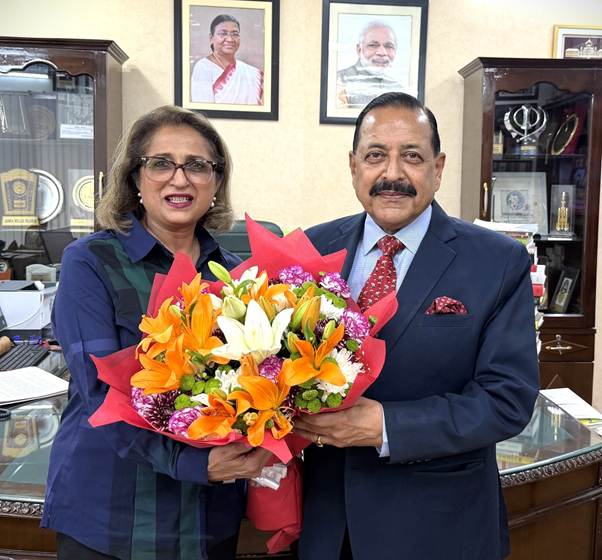
The push gained momentum after a meeting between Union Minister Jitendra Singh and Niti Pall, who is currently visiting India in her capacity as President-elect of the International Diabetes Federation.
The discussions centered on scaling up indigenous production of biosimilar insulin—lower-cost alternatives to patented insulin—as well as strengthening India’s capabilities in continuous glucose monitoring (CGM) devices and related diabetes technologies.
Singh underscored that while India has established itself as a global pharmaceutical hub, domestic insulin production remains limited, revealing what he described as both a “critical gap” and a strategic opportunity. He indicated that the Department of Biotechnology has already initiated steps to enhance manufacturing capacity, including support for domestic firms to scale production.
The urgency is tied to shifting global industry dynamics. Pall flagged concerns that major multinational manufacturers are increasingly prioritizing newer therapies, particularly GLP-1 drugs, potentially constraining future insulin supplies. With production concentrated among a few global players, supply chains remain vulnerable, she warned, adding that affordability continues to be a major barrier, especially for Type 1 diabetes patients who depend on lifelong insulin therapy.
Against this backdrop, biosimilar insulin has emerged as a viable pathway to expand access. These products, designed to match the safety and efficacy of existing insulin therapies, can be produced at significantly lower cost, making them particularly relevant for low- and middle-income countries.
India, officials argue, is well placed to fill this gap. Pall noted that countries across Asia and Africa are increasingly looking to India as a source of affordable healthcare solutions, drawing parallels with its role in supplying low-cost vaccines during global health crises.
Beyond insulin, the talks also highlighted the growing importance of diabetes management technologies such as CGM systems and insulin pumps. Pall pointed to the rapid expansion of low-cost devices from China, which are already gaining market share due to significant price advantages over Western products.
Singh responded that Indian companies have the technological capability to develop comparable devices but acknowledged that scaling up production would require stronger industry participation, targeted policy support and investment in innovation ecosystems.
Both sides explored the potential for deeper collaboration involving Indian researchers, industry stakeholders and global partners, particularly in areas such as clinical trials, technology development and financing models. Singh proposed convening a broader stakeholder consultation during Pall’s next visit to India, expected in July, to chart a roadmap for scaling up domestic manufacturing and expanding global outreach.
The engagement reflects a wider policy shift towards strengthening India’s bio-manufacturing base at a time when diabetes is emerging as a major public health challenge. With global insulin supplies under pressure and access uneven across regions, India’s bet on biosimilars and indigenous medical devices could position it as a key player in the evolving global diabetes care landscape.