Join WhatsApp Channel


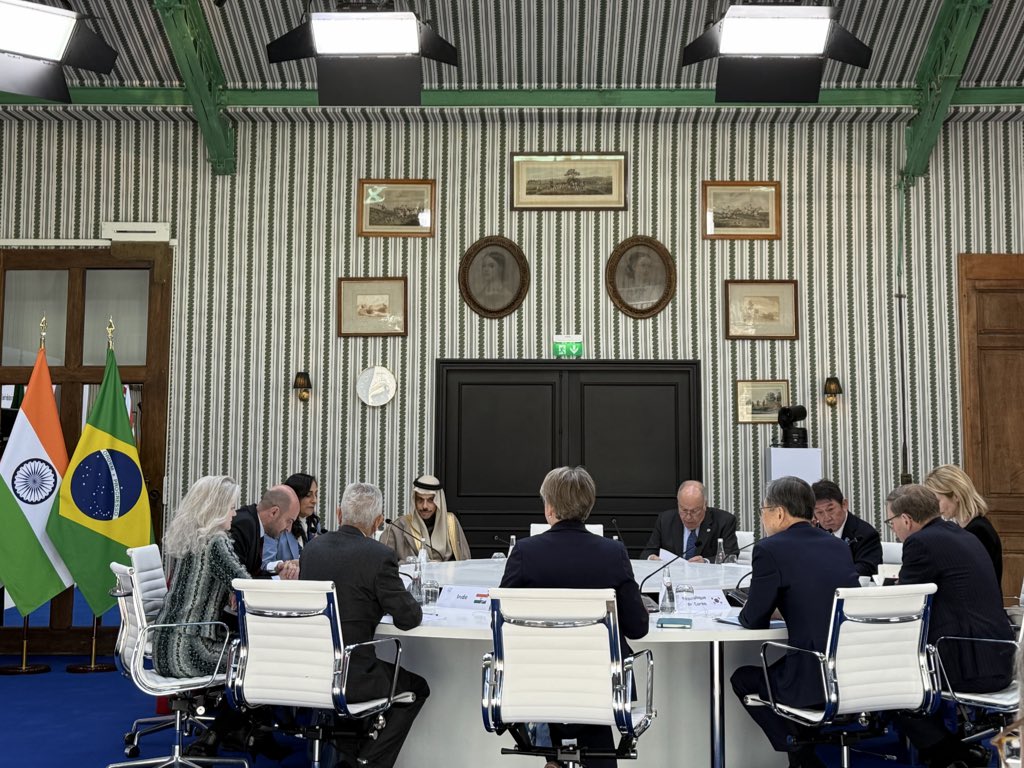
India on Friday stepped up its diplomatic and domestic response to the escalating crisis in West Asia, using the sidelines of the G7 Foreign Ministers’ Meeting to press for global coordination even as it reassured millions at home and abroad that energy supplies remain stable and the vast Indian diaspora in the region is under close watch.
At a high-level inter-ministerial briefing in the capital, the government sought to strike a careful balance: projecting control over domestic fuel and supply chains while signaling urgency in international forums where the ripple effects of the conflict — from oil to food security — are being debated.
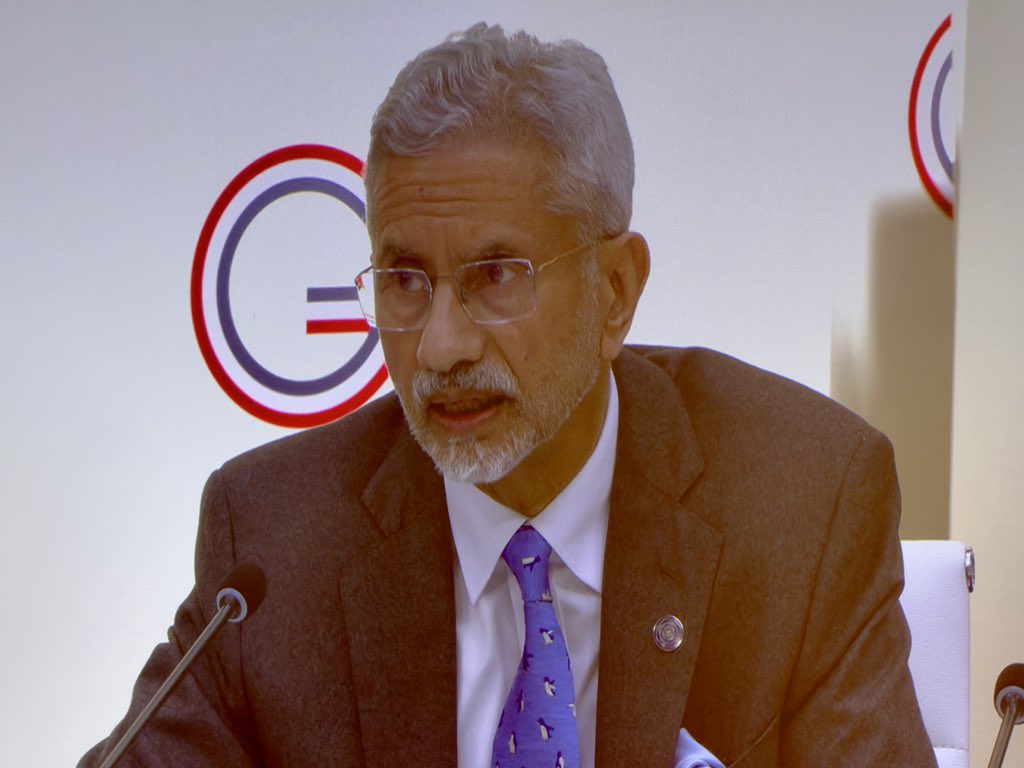
External Affairs Minister S. Jaishankar, currently in France for the G7 outreach, held a series of bilateral meetings with counterparts from major economies, using the platform to highlight the disproportionate impact of the crisis on the Global South. Officials said discussions ranged from energy disruptions to fertilizer shortages and the need for more resilient supply chains — issues that directly affect India’s economic stability.
More significantly, New Delhi used the forum to underline concerns about the safety and mobility of the Indian diaspora — one of the largest in the Gulf region — as airspace closures, maritime risks and sporadic violence complicate evacuation and travel routes. The government reiterated that the “safety, security and welfare of the Indian community remains the highest priority,” with missions operating round-the-clock helplines and coordinating evacuations through alternative corridors spanning West Asia and neighboring regions.
The scale of the challenge is evident: since late February, nearly 475,000 Indians have returned home amid disrupted flight schedules and partial airspace closures. In the Gulf, where millions of Indian workers underpin key sectors, diplomatic missions are also working to ensure continuity in employment, education and essential services, even as some school examinations have been deferred and travel rerouted through third countries.
While diplomacy plays out abroad, the government moved aggressively at home to contain the economic aftershocks of the crisis — particularly the surge in global crude prices following disruptions in key transit routes.
Officials announced a ₹10 per liter cut in excise duties on petrol and diesel, alongside the imposition of export levies on diesel and aviation turbine fuel, in a bid to keep domestic prices stable and discourage excessive exports by refiners chasing higher global margins. Refiners have also been directed to divert a portion of export volumes to the domestic market, effectively tightening supply buffers.
The messaging was clear: India would absorb part of the global shock rather than pass it on to consumers — at least for now.
“There is no shortage of petrol, diesel or LPG in the country,” officials stressed, pushing back against rumors that have triggered panic buying in some regions. The government explicitly dismissed speculation of a nationwide lockdown, calling it “baseless misinformation,” and urged citizens to rely only on official communication.
Behind the reassurance lies a complex logistical operation. Refineries are running at high capacity, LPG production has been ramped up, and additional allocations of commercial cooking gas — now restored to 70% of pre-crisis levels — have been approved to support industries and small businesses. Enforcement agencies, meanwhile, have intensified raids against hoarding and black marketing, seizing thousands of LPG cylinders and issuing notices to errant distributors.
India’s maritime sector — critical for both energy imports and trade — remains functional, with no congestion reported across major ports. Yet the risks are being closely monitored: 20 Indian-flagged vessels with over 500 seafarers remain in sensitive zones of the Persian Gulf, with authorities maintaining constant contact and facilitating repatriation where necessary.
The crisis has also exposed the tight interlinkages between geopolitics, energy security and diaspora vulnerability. For India, which depends heavily on West Asia for both crude oil and remittances, the stakes are unusually high.
By taking the issue to the G7 table, New Delhi appears to be signaling that the fallout is no longer regional but systemic — requiring coordinated responses on energy markets, trade corridors and humanitarian access. At the same time, the domestic strategy suggests a willingness to use fiscal tools and administrative controls to cushion the immediate blow.
For now, the government’s twin-track approach — global engagement and domestic stabilization — is holding. But with the situation in West Asia still fluid, officials acknowledged that policies, including fuel duties and export restrictions, will be reviewed fortnightly.
In the background, a quieter but more consequential test is unfolding: how effectively India can protect its diaspora while navigating a volatile geopolitical landscape that shows little sign of easing.