Join WhatsApp Channel


“Foreign policy is a matter of costs and benefits, not theology.” — Fareed Zakaria
Just days ago, news broke that the United States and Israel had struck Iran, aiming to weaken its nuclear and missile programs. President Donald Trump’s call for Iran’s “unconditional surrender,” alongside an expanding Israeli strike pattern, including in Lebanon, signals ambitions that could outrun diplomacy and deepen the damage. Containing the war and ending it before it becomes harder to unwind should now be the priority for serious powers.
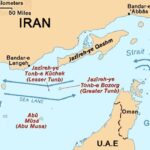
The risks are clear. Shipping through the Strait of Hormuz has slowed sharply after attacks in and around the waterway. The chokepoint normally carries about one-fifth of the world’s oil and LNG supply. Tanker traffic fell to zero by March 5 from 37 vessels on February 27. Hundreds of ships were left waiting outside Gulf ports. Qatar Energy halted output at its 77 million-ton-per-year LNG facility, and freight rates surged across major routes. The shock is already spreading through insurance, refining, industry, and household energy costs.
No major importing economy can ignore this, but China may be the most exposed major power. China is the world’s largest crude importer, a major buyer of Iranian oil, and deeply reliant on Gulf energy flows. Inventories and alternative sourcing may soften the blow, but prolonged disruption to Gulf shipping would still hit Beijing hard.
Iran’s political order took shape in 1979, when the Pahlavi monarchy fell, and an Islamic republic emerged under Ayatollah Khomeini. The post-revolutionary state fused ideology, clerical authority, and security institutions into a system built to endure dissent and external pressure. Over time, that framework produced economic strain, protest, repression, and renewed claims that unrest was foreign-directed rather than homegrown. Once outside powers treat internal repression as grounds for intervention, criticism can become an effort to reorder a state.
George Kennan, the diplomat associated with containment, warned against exactly that kind of slippage; “War has a momentum of its own, and it carries you away from all thoughtful intentions when you get into it. You know where you begin. You never know where you are going to end.” His instinct was not passivity, but discipline, limits, and a reluctance to let military action outrun political purpose. Once regime change becomes even an implied war aim, the room for bargaining narrows. Military action turns into a contest over governance, legitimacy, and succession. Wars that begin by hitting targets often end by trying to answer a much harder question: who rules the morning after.
Removal is usually faster than replacement. Power can be broken from the air. Authority cannot be rebuilt that way. After the first phase of war, institutions, social consent, and administrative capacity become harder tests. That matters even more in a world already strained by the continuing Russia-Ukraine war and wider political brittleness across regions.
Pakistan cannot remain a bystander in an Iran war, even if Islamabad urges de-escalation. Geography alone makes detachment impossible. Iran’s instability would first spill into western Pakistan through refugees, smugglers, sectarian activity, and militant transit. Pakistan has condemned the attacks as “unwarranted,” called for diplomacy, and has had to balance domestic Shiite anger with ties to Washington and Gulf partners. Exposure, not neutrality, is the fairer description of its stance.
China, by contrast, is playing a colder, longer game. Beijing has condemned the strikes and warned of spillover, but has avoided intervention. Material interests explain that caution. Chinese trade relies on maritime stability, and Chinese energy security remains deeply exposed to Gulf flows.
For India, the most immediate concern is operational geography. The conflict is spreading across shipping, energy flows, insurance calculations, and naval signaling in waters central to Indian interests. The Middle East accounted for about 55% of India’s crude imports in January 2026, or roughly 2.74 million barrels per day. About 40% of India’s oil imports pass through the Hormuz Strait. India has enough crude stocks for about 25 days of demand, while refiners hold roughly another 25 days of inventory for gasoil, gasoline, and LPG. New Delhi has already been scouting alternative crude, LPG, and LNG supplies in case disruption persists.
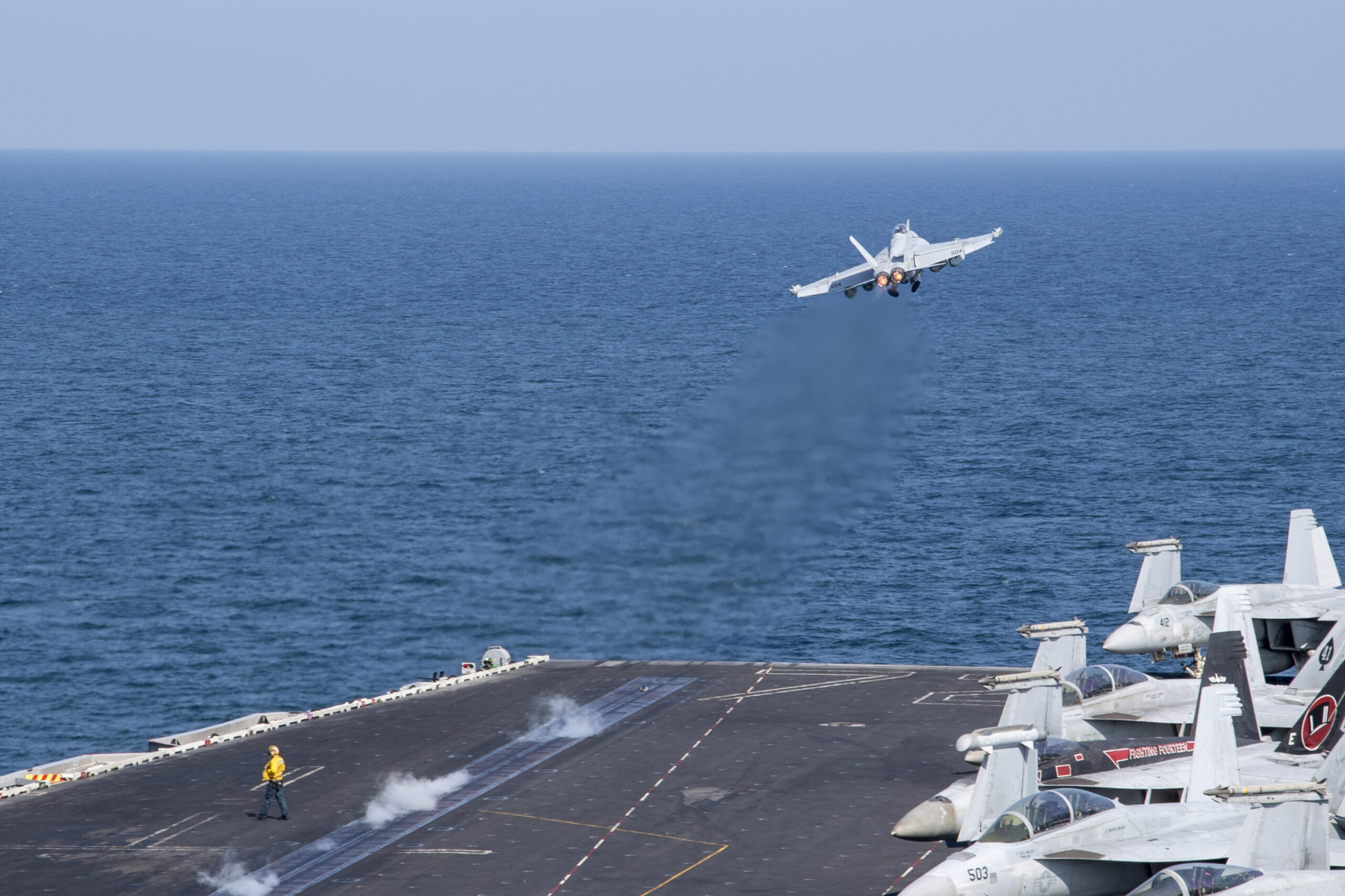
Indian planners have long understood that a Gulf crisis could push U.S. naval operations closer to India’s sea space and logistical periphery. Logistics arrangements matter for that reason. India and the United States finalized LEMOA in 2016 as a reciprocal logistics arrangement for access to supplies, services, and support on a case-by-case basis, not as a treaty alliance or an automatic wartime commitment.
LEMOA is useful in peacetime, during contingencies, exercises, and for selected logistics support. Political hazards arise if the same framework creates even the appearance that India is sustaining U.S. combat operations in a war seen across much of the region as externally driven and dangerously expansive. Law matters, but perception matters too. States are judged not only by what agreements technically require, but by how their conduct is read by opponents, publics, and partners.
Visible logistical support for an American campaign against Iran could blur lines that New Delhi has carefully preserved. Risks to Indian shipping, energy security, diaspora safety, and credibility across the Global South would all rise. New Delhi should stay out of combat, protect sea lanes, strengthen maritime awareness, prepare evacuation and shipping contingency plans, and stay in active touch with all relevant capitals.
Restraint need not mean passivity. India should not be drawn into the conflict through the alliances or war aims of others. Yet as the crisis spreads, New Delhi has an opportunity to act as a stabilizing force. It can use its relationships, logistical capabilities, and strategic position to support dialogue, sustain trade and energy flows, and coordinate efforts to limit disruption. As shipping routes, energy markets, and supply chains come under strain, India can deepen cooperation on maritime stability, reinforce commercial continuity, and strengthen trusted production networks.
Strategic autonomy is tested in moments like this. India can defend its position without rupturing relations with Washington. Through independent judgment and steady statecraft, New Delhi can avoid co-belligerency and press for an end to the conflict before it hardens into another draining long war, asserting itself where the Gulf meets the Ocean.
Disclaimer: The opinions and views expressed in this article/column are those of the author(s) and do not necessarily reflect the views or positions of South Asian Herald.