Join WhatsApp Channel

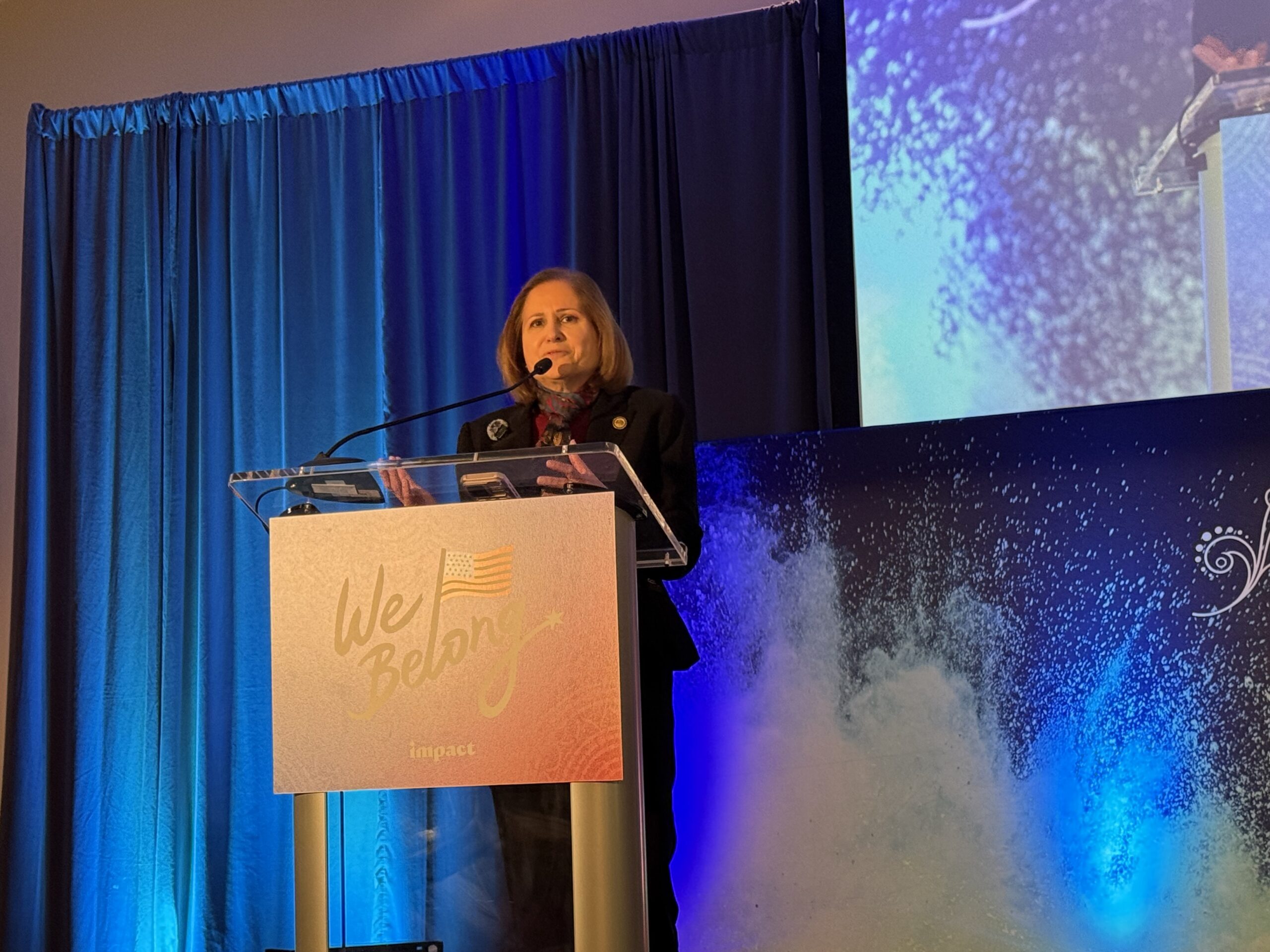
At a time of rising concern over hate crimes and immigrant rights, Virginia Lieutenant Governor Ghazala Hashmi underscored the deep connections between anti-immigrant rhetoric and anti-Asian hate, calling for greater awareness and collective action.
“We are at a moment when conversations about immigrant rights and [Asian American and Pacific Islander] AAPI safety can’t be separated, because they are so deeply connected,” Hashmi said during the closing plenary session titled “Immigrant Rights and Fighting Hate.”
Hashmi, the first Muslim woman elected to statewide office in the United States and the first South Asian American elected statewide in Virginia, pointed to data documenting more than 13,000 incidents of anti-Asian hate in recent years. She noted that nationally, over half of AAPI adults reported experiencing hate or hate-related crimes in the past year.
She emphasized that hate is not isolated but is shaped by broader political and social forces. “It’s fueled by the same anti-immigrant rhetoric and the policies that are targeting so many of our immigrant communities. And we’ve seen this pattern throughout American history,” she said, citing examples such as exclusion laws targeting Chinese Americans and the incarceration of Japanese Americans during World War II. “We’re seeing it again now in heightened and more aggressive forms,” she added.
Hashmi noted that portraying immigrants as threats reinforces the perception of AAPI communities as perpetual outsiders, regardless of how long they have lived in the United States. “But, for many of our families, it’s generational,” she said.
Highlighting advocacy efforts, she pointed to coalitions such as the Virginia Coalition for Immigrant Rights, which brings together organizations across racial and ethnic lines to advocate for dignity, equity, and quality of life. These groups have been active in defending birthright citizenship, challenging voter suppression, and promoting policies that protect families.
Hashmi also pointed to growing political representation among AAPI leaders in Virginia. “I’m really delighted to share that in Virginia, we have growing political power,” she said, recalling that she was once the only AAPI member in the Virginia Senate. She noted that subsequent elections brought in leaders such as Suhas Subramanyam, Kannan Srinivasan and Saddam Salim.
She also highlighted the formation of an AAPI caucus in 2020 in response to rising anti-Asian hate during the COVID-19 pandemic. “What began with just four members is now a caucus of 10, and that’s the result of the work that so many of you have been engaged in,” she said.
Reflecting on her own political journey, Hashmi referenced the conference theme “We Belong” and recalled skepticism she faced during her 2019 campaign. She recalled people telling her “You’re not going to win. No one’s going to vote for someone with a name like this, Ghazala Hashmi, of all names,” adding “So that inspired me to have a tagline during that campaign, “Ghazala Hashmi is an American.” She said the message resonated widely, particularly with young people who struggle with questions of identity and belonging.
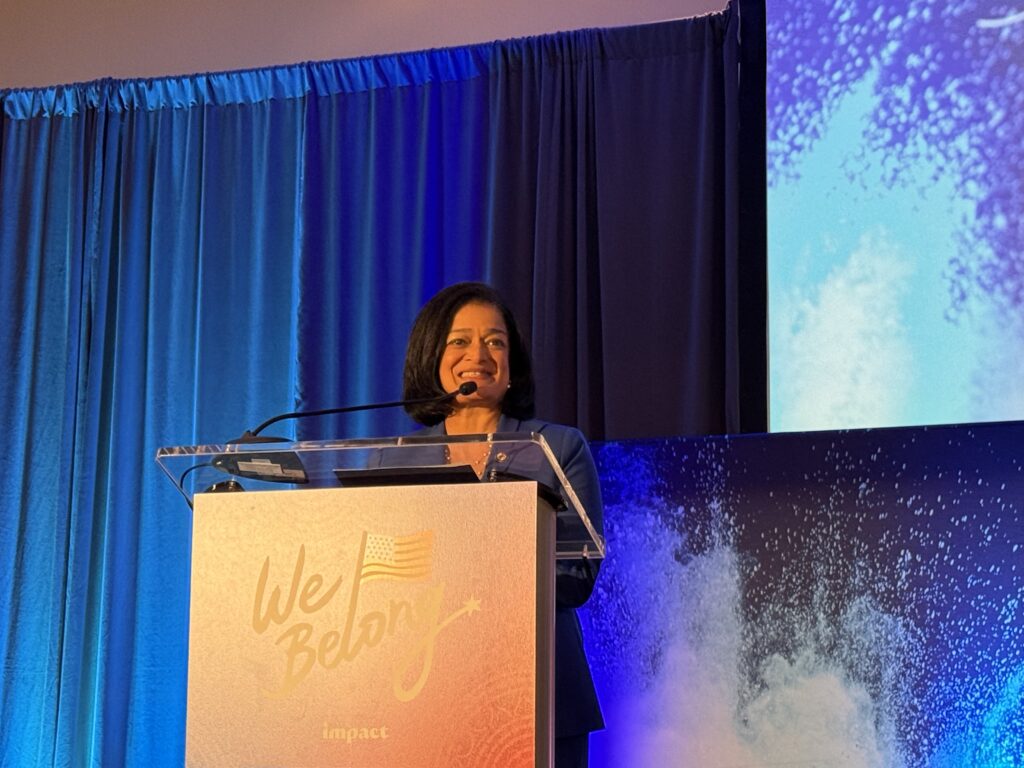
Indian American Congresswoman Pramila Jayapal also addressed the session, reflecting on her outreach during the 2024 presidential election. “I was traveling through swing states like Pennsylvania and Michigan with IA impact during the 2024 presidential election, working to do everything that we possibly could to prevent the reality that we are all now living in today,” she said.
Jayapal noted that immigration was a central concern in many campaign discussions, particularly fears about policy changes and threats to legal pathways. “It is a deeply painful time to be an immigrant, to be in a mixed status family, and if some in our Indian American community felt that Indians would be spared, I think we’ve all seen that is far, far, from the truth,” she added.
She also highlighted instances of rhetoric targeting Indian Americans, including criticism of Vivek Ramaswamy based on religion, as well as derogatory remarks about H1B workers. “We are dealing constantly with the toxic, xenophobic, racist rhetoric that questions our patriotism and tells us to go back to our own country no matter how long we may have lived here,” she said.
“All of this has led to more danger, more exclusion, more hate crimes against so many of our community members across the country,” she added.
Jayapal also discussed a new initiative, Resistance Lab, which provides virtual training on nonviolent strategies to respond to threats to democratic institutions. Over the past year, the program has conducted 14 sessions and trained more than 30,000 participants across all 50 states.
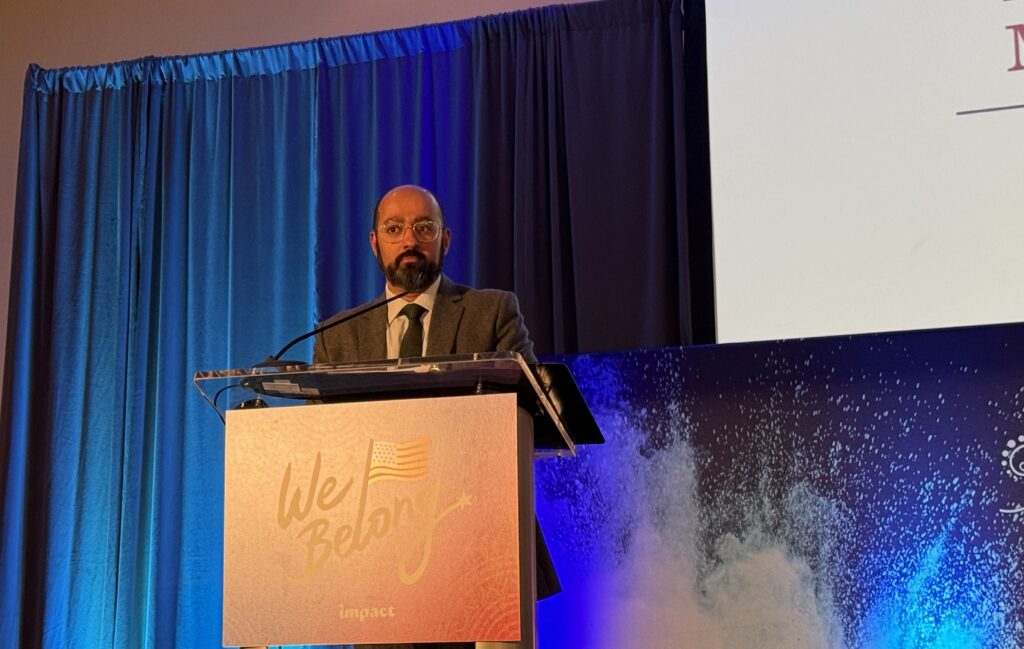
Executive Director of ACLU Minnesota, Deepinder Mayell, said recent developments in his state reflect broader national trends. He described what he called an unprecedented use of executive authority, citing reports of racial profiling, and the targeting of protesters.
“We started seeing immigration actions that look like nothing we have seen before, reports of racial profiling, community harassment, excessive force, and then the targeting of protesters and observers, wild use of pepper spray, indiscriminate pointing of semi-automatic weapons, the deployment of tear gas in residential neighborhoods,” he said.
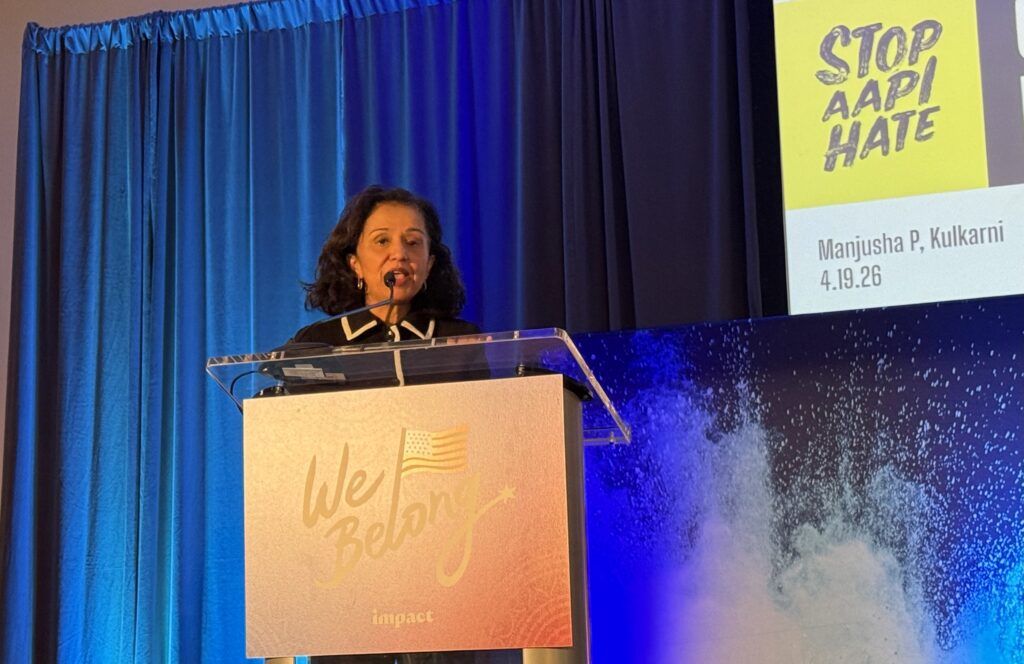
Manjusha Kulkarni, co-founder of Stop AAPI Hate, spoke about the need to transform “collective pain to collective power,” citing recent incidents of anti-AAPI hate in Texas and Virginia. She noted that such incidents led her to launch the organization in 2020.
“And these are the type of incidents that caused us to start stop AAPI hate back in 2020 we saw that with the COVID-19 pandemic that thousands of our community members were experiencing anti-Asian hate at that time,” she said, adding that the issue has since expanded and is affecting AAPI communities in “new and really horrific ways.”
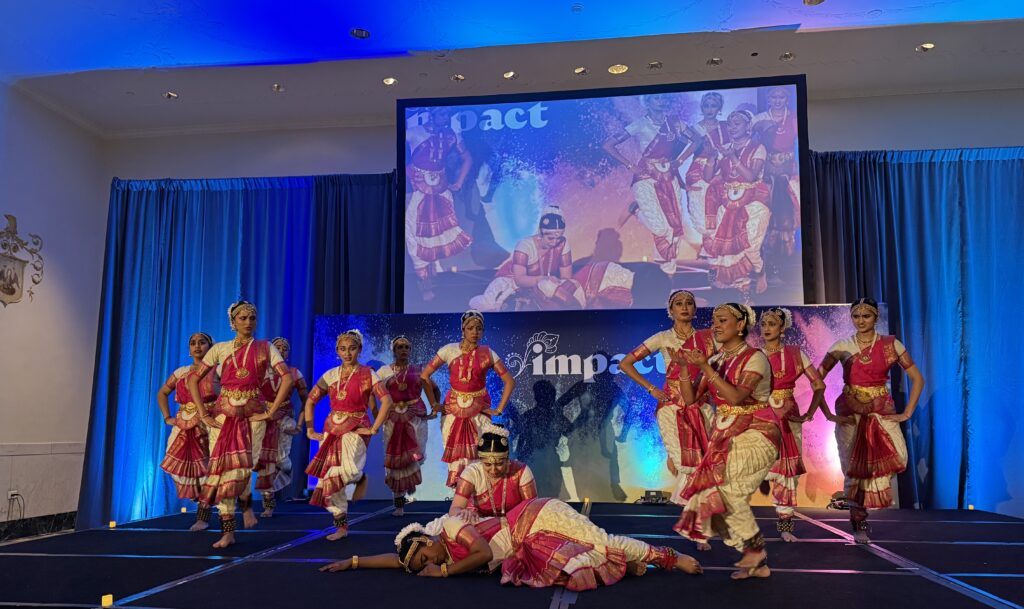
Civil rights attorney Sunu Chandy also spoke at the session, which included a cultural performance by the University of Maryland’s Indian classical dance team, UMD Moksha.
Related posts:
 Indian American Leaders Applaud “Historic” Inauguration of Virginia Gov. Spanberger and Lt. Gov. Hashmi
 Mississauga Becomes Second Canadian City to Condemn Anti-Hindu Hate, CoHNA Welcomes Historic Resolution
 AAPI Victory Fund Condemns Rising Xenophobic and Anti-Muslim Attacks on AA&NHPI, Immigrant-Origin Candidates
 Minnesota Resolution Condemning Hinduphobia Gains Support as CoHNA Highlights Community Concerns