Join WhatsApp Channel


The Olympic movement has long upheld the ideal of bringing the world together through sport. Yet history shows that political tensions have repeatedly intruded on the Games, sometimes overshadowing athletic competition and unity.
From boycotts to bans, global conflicts have often shaped participation. The 1972 Munich Olympics were marred by the killing of Israeli athletes. The 1976 Montreal Games saw multiple withdrawals in protest over apartheid-era South Africa. In 1980, the United States led a Western boycott of the Moscow Games following the Soviet invasion of Afghanistan. The Soviet Union and its allies retaliated by boycotting the 1984 Los Angeles Olympics. Political divisions persisted in subsequent editions, including tensions on the Korean Peninsula and, more recently, restrictions linked to doping violations and geopolitical conflict.
The return of the Games to Europe for Milano Cortina 2026 has once again placed sport at the intersection of politics. The International Paralympic Committee has readmitted Russia and Belarus to the Winter Paralympic Games under their national flags and anthems, a decision that has drawn criticism from several countries, including Ukraine, Latvia, and host nation Italy.
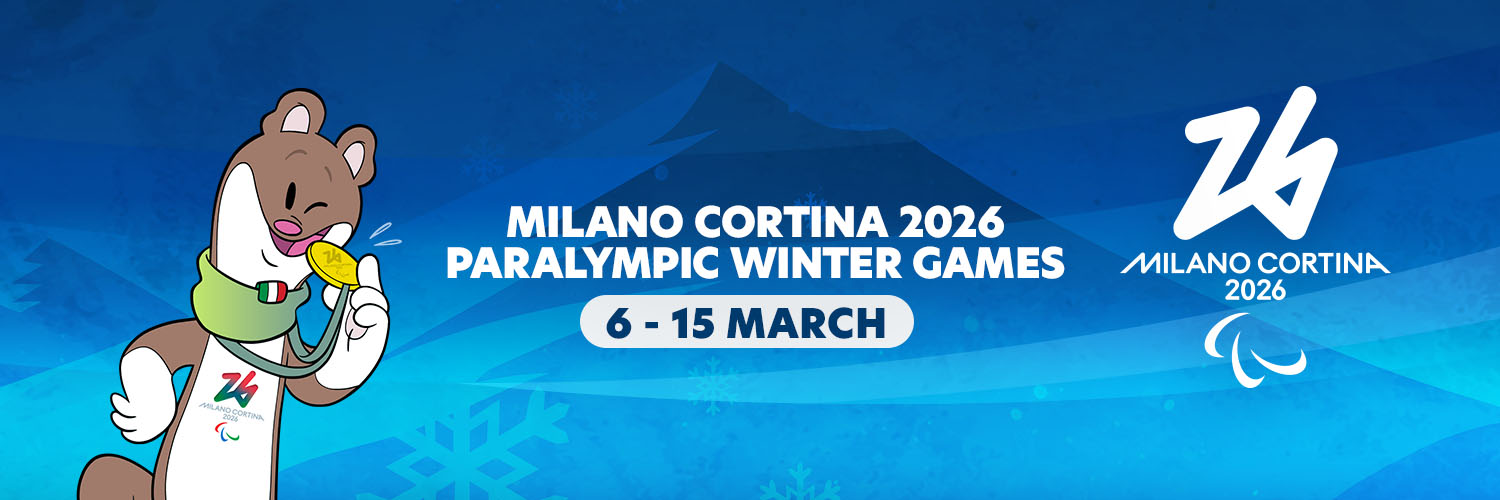
With the Paralympic Games scheduled from March 6 to 15, concerns about potential boycotts have intensified. Latvia has become the latest European nation to announce it will not participate in the Opening Ceremony in any format and has requested that its flag not be displayed. Ukrainian authorities have confirmed an institutional boycott of the ceremony, a stance also supported by the Czech Paralympic Committee and officials in other European countries.
IPC President Andrew Parsons has defended the decision, emphasizing that it followed a vote by the General Assembly. During a press conference in Milan, he stated, “This decision cannot be overturned by the board or by myself,” underscoring that the outcome reflects the will of the membership. He reiterated that his role is to implement decisions taken democratically, regardless of personal views.
The resolution allocates 10 athlete quota places, six for Russia and four for Belarus, across para alpine skiing, para cross-country skiing, and para snowboarding. The announcement has sparked strong reactions amid the ongoing war in Ukraine, which began with Russia’s invasion in 2022.
Parsons sought to reinforce the Paralympic movement’s broader principles, stating, “We have a message to give that is one of inclusion and diversity.” He also acknowledged concerns about the growing politicization of the Games. “What I’m afraid of is that sometimes these situations can be politicized,” he warned, noting the increasingly tense atmosphere surrounding the event.
Latvian Paralympic Committee President Daiga Dadzite said, “Neither our organization nor our athletes accept the decision to allow participation under national symbols,” confirming that no member of Latvia’s delegation would attend the ceremony.
In Italy, the controversy has reached the highest levels of government. Sports Minister Andrea Abodi expressed opposition to the use of national symbols, stating, “We would like Russian and Belarusian athletes to compete, but in a neutral capacity, respecting the rule of non-compromise with war.” Italian authorities have called for continued dialogue with the IPC to minimize institutional strain while ensuring appropriate conditions for athletes.
Russian officials have responded by arguing that sport should remain separate from politics. The Russian Embassy in Italy described the Italian government’s position as ‘offensive’ and criticized what it characterized as the targeting of athletes with disabilities.
As the Games approach, the dispute has taken on symbolic significance beyond the limited number of athlete slots involved. The debate reflects a broader struggle between advocates of sporting autonomy and those who view participation decisions through the lens of ongoing geopolitical conflict.
For athletes preparing to compete, the tensions underscore the complex environment in which international sport now operates. While the Paralympic movement seeks to promote inclusion and unity, the Milano Cortina 2026 Games will unfold against a backdrop of political strain, once again testing the fragile balance between principle, politics, and sport.
Related posts:
 Milano-Cortina 2026 Opens with Dual Cauldrons, Historic Venues, and a Global Call for Respect
 Actor-politician Kangana Ranaut is Brand Ambassador for World Para Athletics Championships 2025
 Can Circle Kabaddi Rebound in 2026? Punjabi Diaspora Pins Hopes on Reform and Revival
 Putin’s Delhi Gambit: How a High-Stakes Visit Could Redraw India’s Geopolitical Map