Join WhatsApp Channel

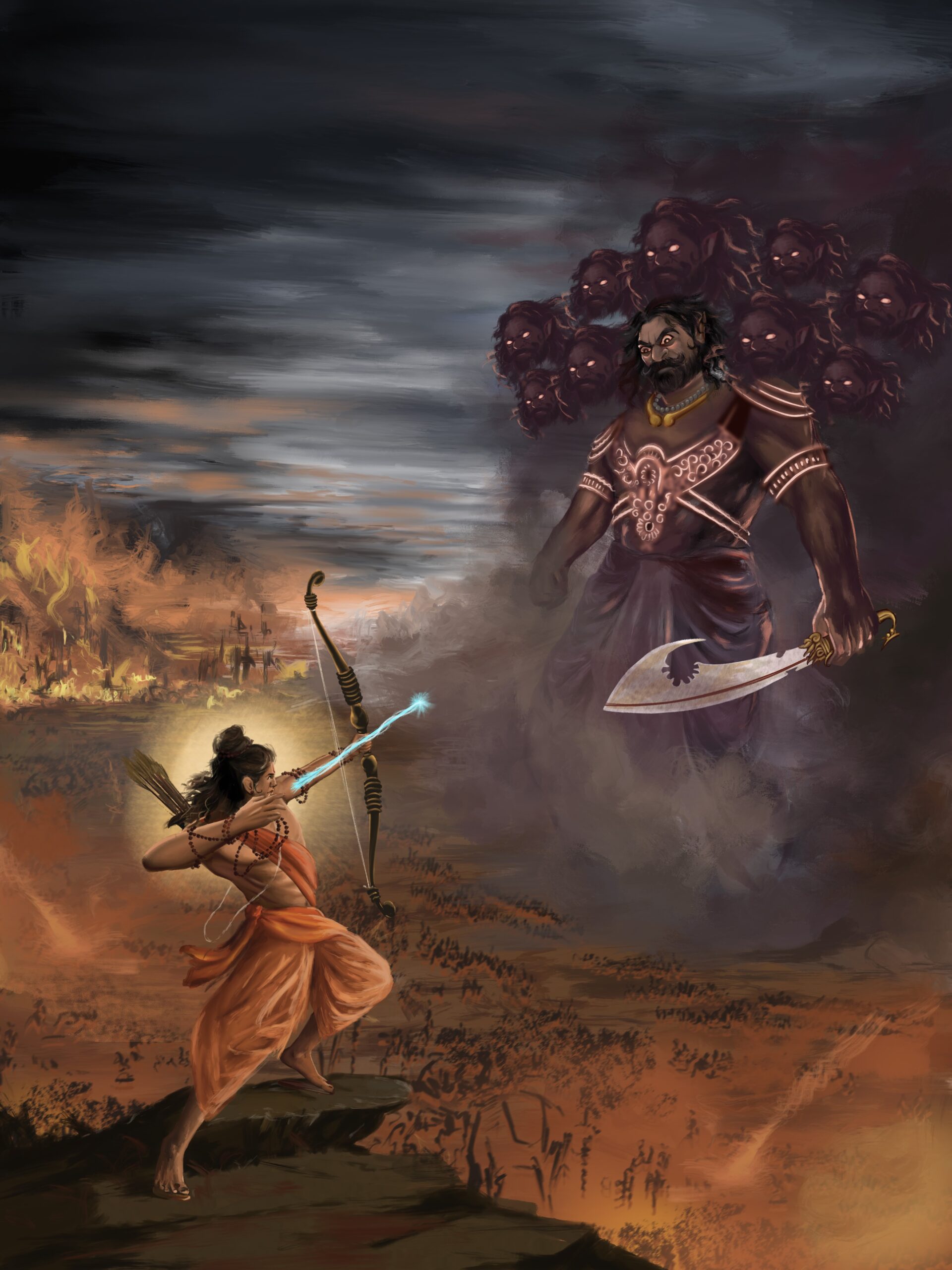
In a world splintering under the weight of unrelenting conflict, deepening divisions, and cycles of hostility that seem impossible to break, perhaps the most urgent value we can return to is compassion. Not compassion as sentiment, but as a lived, active, sometimes costly choice.
Our itihaas, our own history and sacred narratives, understood this with remarkable clarity. The Ramayana, in particular, offers a vision of compassion and dharma that is neither naive nor ceremonial. It is grounded, human, and quietly radical.
Lord Rama’s compassion extends even to those who have wronged him. But the Ramayana’s genius lies in showing that this quality was never the exclusive province of the divine. Nishad Guha, a forest chieftain, chose restraint and clarity over confrontation when Prince Bharata arrived in the forest, seeking first to understand before reacting.
Vibhishana walked away from family and home rather than remain complicit in adharma. These were not grand gestures. They were deeply personal choices, made at personal cost. And that is precisely what gives them their enduring power.
When we look at the world’s leaders and the choices they make, the Ramayana’s quiet insistence is clear: justice without compassion is merely force, and strength without dharma is just dominance.
We have always known better. Our itihaas reminds us how.
Disclaimer: The opinions and views expressed in this article/column are those of the author(s) and do not necessarily reflect the views or positions of South Asian Herald.