 Join WhatsApp Channel

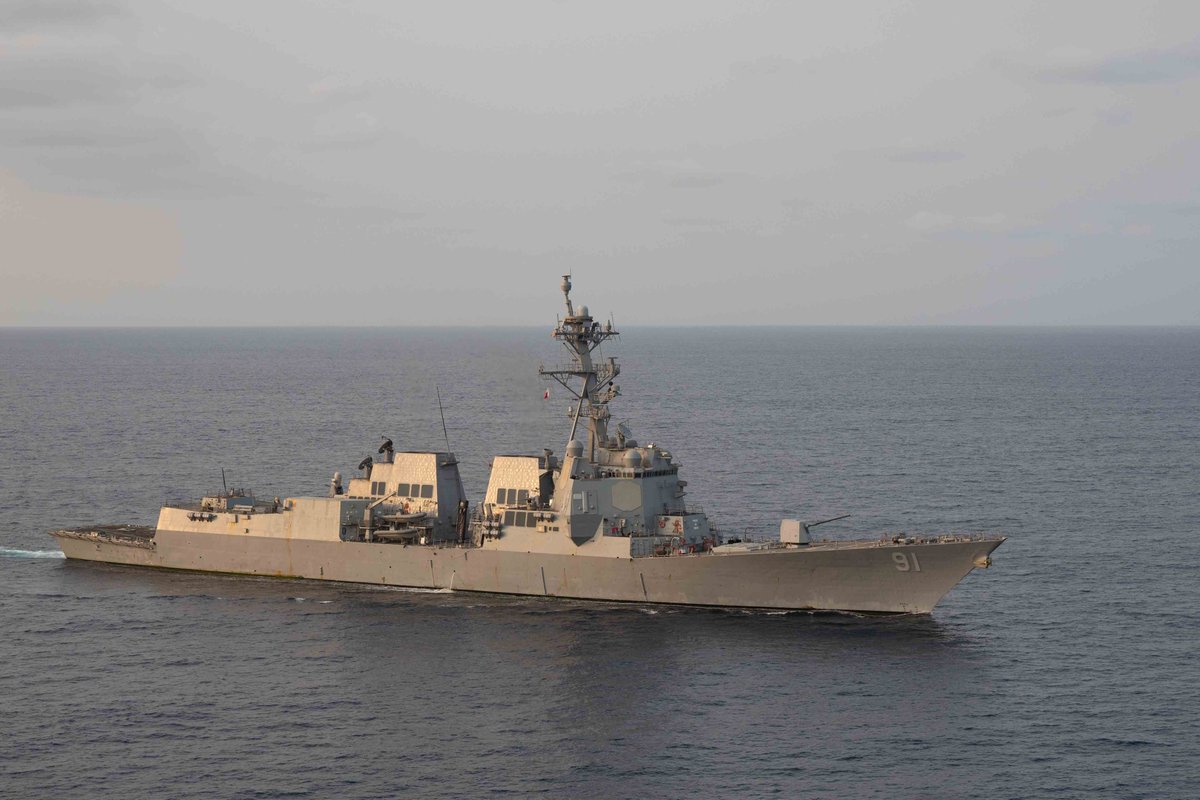
As the US and Iran are gearing themselves for another possible round of talks, one of the most key issues – the Strait of Hormuz – remains completely unresolved, which could undo negotiations before they even begin.
The narrow waterway, which normally carries around a fifth of the world’s energy, has been reduced to a bottleneck since the war began on February 28, leading to thousands of seafarers being effectively stranded on either side of the waterway, as uncertainty over safe passage persists.
As per shipping data, pre-war passages through the strait amounted to over a 100 vessels per day, while that number has now dropped sharply, with just 36 vessels recorded as traversing the strait between Friday and Sunday, according to S&P Global Market Intelligence – marking the highest level seen in weeks as Iran had briefly eased its restrictions, leading to an elevated count, albeit, a fraction of the average traffic. The vessels included four passenger ships, it added.
At least 27 Iranian vessels have traversed the channel since April 13, when the US imposed the blockade, shipping analytics firm Kpler confirmed on Tuesday.
In that time, CENTCOM has directed as many ships to change course. Shipping through the strait “remains severely restricted,” one data provider said.
Tankers are now queued in the Gulf of Oman and the Persian Gulf, while other vessels are attempting cautious transits under careful watch from naval patrols. For many shipping operators, the risks remain too high without clear guarantees.
Control over the strait is the key issue of the whole dispute, as Tehran has historically dictated all access to the strait, with increasing indications it may now seek to fully formalize this leverage, by pushing for the creation of a tolling system for all vessels passing through the waterway, fundamentally altering how the strait has long functioned, reports CNN.
Such a proposal would give Iran significant influence over global energy flows, though it is far from certain Washington would accept it. The question of who controls access — and on what terms — has become one of the most sensitive points in the wider negotiations.
For now, the disruption continues to ripple through global markets, with oil and gas prices burgeoning to all time highs, driven by constrained supply and the uncertainty over future flows.
“This disruption is likely to continue until at least the end of May, keeping energy markets volatile and prices elevated,” CRU Group, which tracks commodity price and supply, said in a statement Tuesday.
Related posts:
 Over 1,100 Indian Sailors Trapped as War Chokes the World’s Oil Lifeline
 The Islamabad Failure: How a Weekend of Diplomacy Brought the World Closer to War
 US Navy Warships Cross Strait of Hormuz for First Time Since Beginning of War Amid Ceasefire Negotiations
 Iran War Raises Energy, Trade and Inflation Risks for India and South Asia
