Join WhatsApp Channel

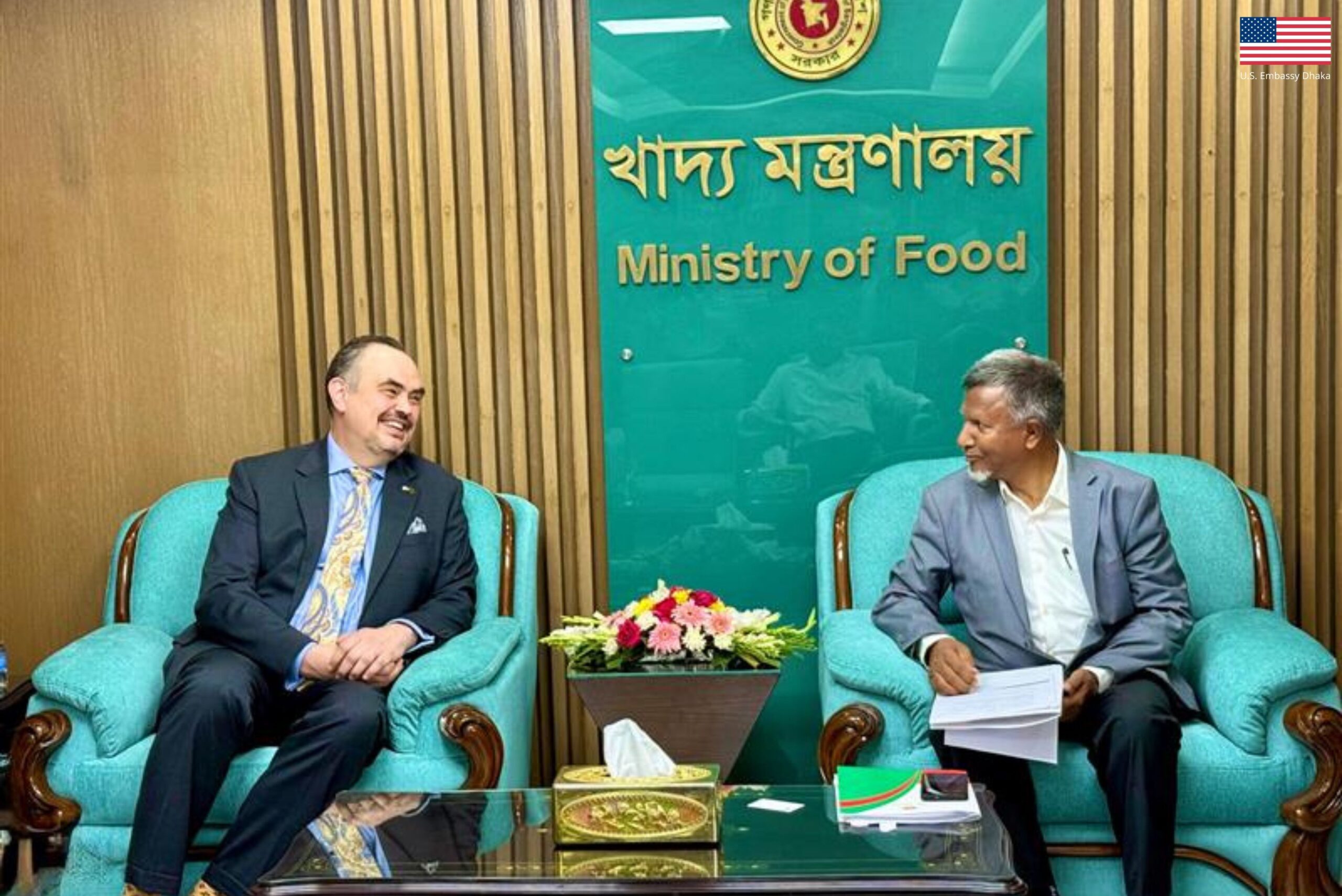
Senior U.S. officials and Bangladesh’s State Minister Abdul Bari wrapped up trade discussions this week with a focus on deepening agricultural ties, underscoring the role of American grain imports in supporting the country’s food security.
The talks highlighted the “continuing and vital role” of U.S. exports—particularly wheat, soy and corn—in meeting Bangladesh’s rising food demand amid global market volatility. Officials said that despite periodic price fluctuations, American commodities remain central to the long-term stability of bilateral agricultural trade.
A key theme emerging from the discussions was the distinction between headline prices and overall value. Participants stressed that U.S. grains, known for consistent quality and lower spoilage rates, often deliver better economic returns compared with cheaper alternatives.
“When quality and spoilage are factored in, American wheat, soy and corn deliver unmatched value for Bangladesh,” a representative said after the meeting.
The dialogue comes as Bangladesh seeks to fortify its supply chains against external shocks, including price swings and logistical disruptions. Officials indicated that prioritizing higher-grade imports could help reduce post-import losses and improve distribution efficiency.
Both sides expressed confidence that sustained reliance on U.S. agricultural supplies would not only bolster food availability but also support Bangladesh’s livestock and poultry sectors, which depend heavily on soy and corn-based feed.