Join WhatsApp Channel

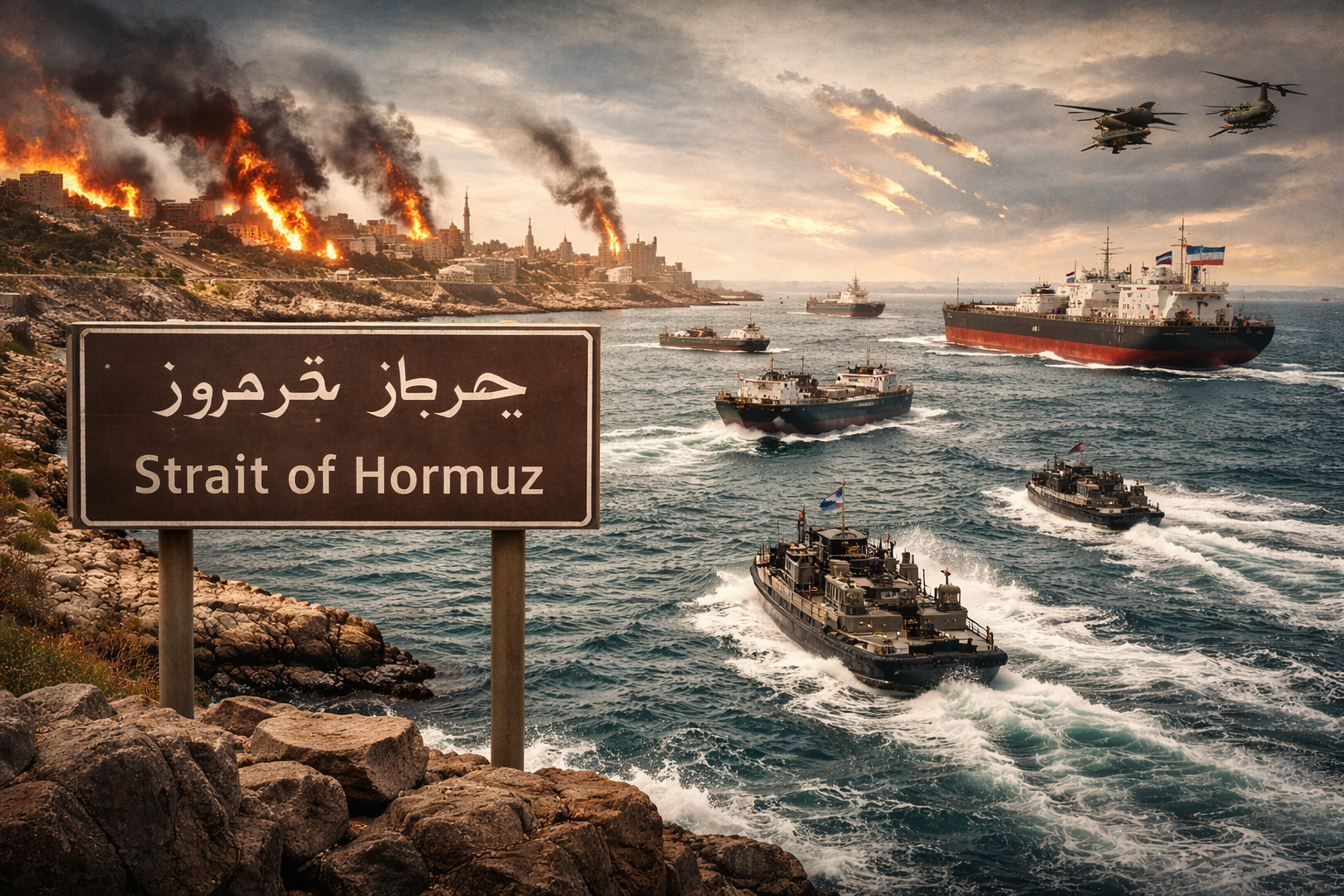
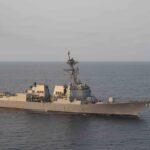
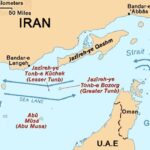
Washington, Apr 11 (UNI): US Navy warships crossed the Strait of Hormuz on Saturday for the first time since the war began, in a deliberate move to increase confidence among the international shipping community, and show that the strait remains open for business, even with significant tensions underscoring the ceasefire.
The operation, which was carried out without coordination with Iran, saw American naval vessels move east to west into the Gulf before reversing course back toward the Arabian Sea.
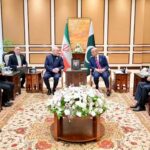
The timing was noted to be deliberate as per Axios, with the passage coming as both Washington and Tehran are engaged in high-stakes talks in Pakistan, with the reopening of the strait a central pillar of the fragile ceasefire agreement, also being discussed.
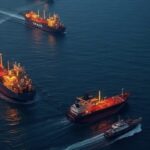
Since the start of the war, traffic across the corridor slowed dramatically, with vessels being highly hesitant towards entering the narrow corridor amid fears of mines, drones and missile threats. Even after the ceasefire agreement, these fears were not assuaged, as hardly any ships have traversed the strait.
US officials acknowledged earlier in the week that intimidation from Iran had effectively frozen all movement across the route, with very limited shipping passing through.
President Donald Trump echoed the assessment, and said the threat of ships potentially striking sea mines was “the only thing Iran had” to deter traffic.
“We’re now starting the process of clearing out the Strait of Hormuz as a favor to countries all over the world,” Trump wrote on Truth Social, pointing to the waterway’s importance for major economies dependent on energy imports.
Iran, however, viewed the naval movement differently. State media described the transit as a violation of the ceasefire and warned of possible retaliation, though a US official said no direct warning had been received through official channels.
The Strait of Hormuz handles roughly 20% of the world’s oil and liquefied natural gas, making even minor disruptions cause ripples across energy markets, culminating into a whole tidal wave.
This was made all the more evident, as prices soared massively during the conflict, and while they have eased slightly under the ceasefire, uncertainty over safe passage, combined with the agreement’s fragility continues to affect supply chains adversely.