Join WhatsApp Channel

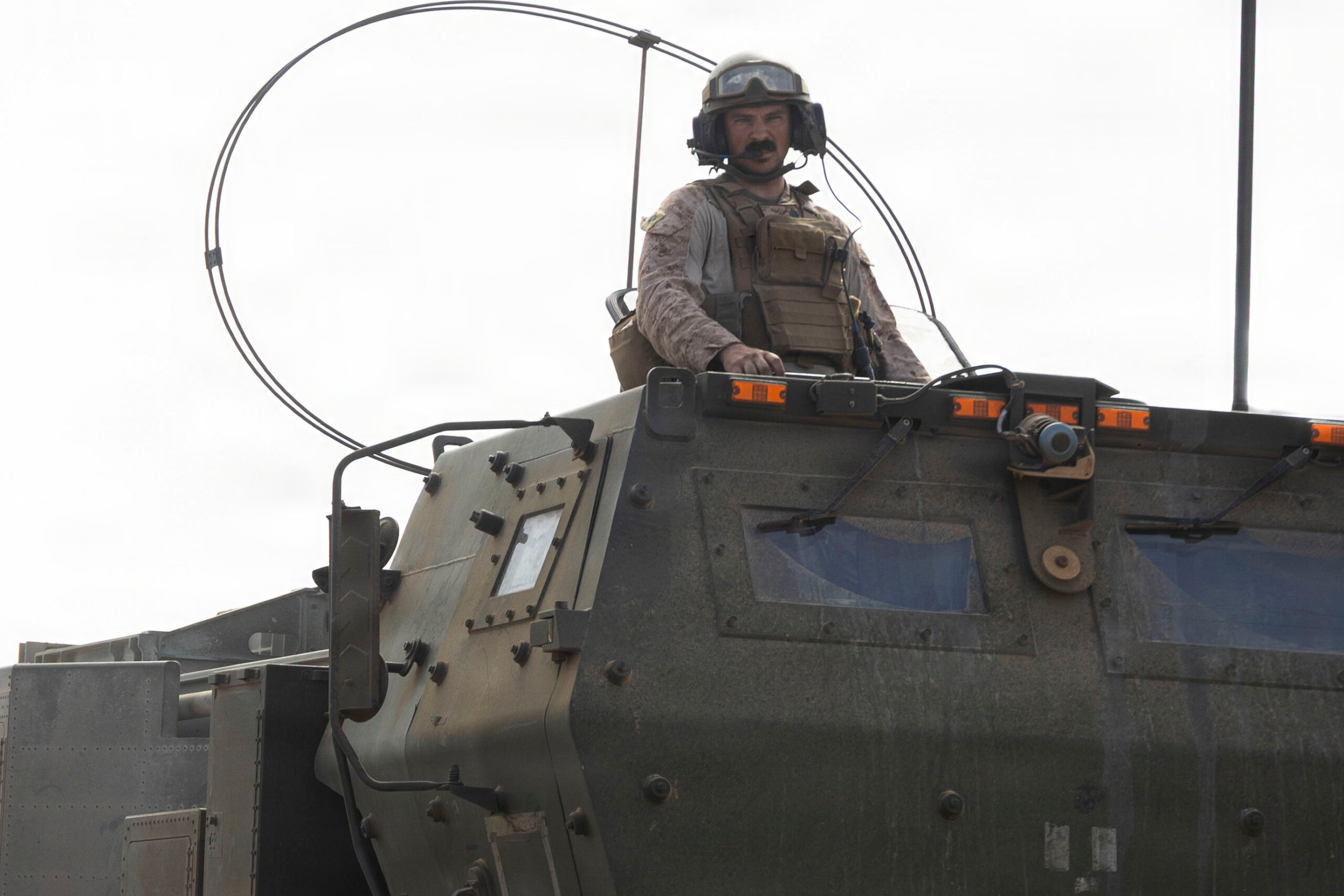
“Wars may be started at will, but they are ended by necessity.” The old insight, often attributed to Machiavelli, has taken on renewed relevance in the unfolding crisis involving Donald Trump and Iran. What was intended as a decisive show of force has instead exposed the dangers of strategic miscalculation in an already volatile global order one whose consequences are being felt far beyond the Middle East, including across South Asia.
The initial operation, carried out by a U.S.-Israeli coalition, successfully eliminated key figures within Iran’s ruling establishment. Washington appeared to believe that such a blow would trigger internal collapse or regime change. Instead, the opposite occurred: hardline elements within Iran’s Revolutionary Guard consolidated power, sidelining any remaining moderates and narrowing the prospects for diplomacy.
This outcome reflects a deeper flaw in Washington’s approach an apparent underestimation of Iran’s resilience, strategic depth, and long-term preparation for conflict. For years, Tehran has anticipated confrontation with both the United States and Israel. Its decentralized military structure, dispersed missile systems, and asymmetric warfare capabilities have ensured that it retains the ability to retaliate even after sustaining significant losses.
Equally concerning is the apparent absence of coherent strategic planning. Mixed signals from the White House, including shifting ultimatums and unclear objectives, suggest a lack of alignment between political leadership and military realities. Reports that key regional experts were sidelined only reinforce the perception of a policy driven more by impulse than by informed analysis.
The consequences of this miscalculation are now rippling outward. Iran’s threat to disrupt shipping through the Strait of Hormuz a chokepoint for a significant portion of the world’s oil supply—has already triggered energy price volatility. For South Asian economies, heavily dependent on imported energy, this translates directly into inflationary pressure, currency instability, and heightened risks to food security due to rising fertilizer costs.
Moreover, Iran’s warnings that it could target energy infrastructure across the Gulf raise the specter of a broader regional conflict. Such an escalation would not remain confined to the Middle East. It would disrupt global trade routes, strain international supply chains, and exacerbate economic vulnerabilities in developing regions, including Bangladesh, India, and Pakistan.
There is also a cultural dimension that appears to have been overlooked. Iran’s political and social fabric shaped in part by the Shiite concept of martyrdom has historically sustained prolonged resistance under extreme pressure. The Iran-Iraq War, which lasted eight years, is a stark reminder that Tehran is neither easily subdued nor quickly defeated.
The risk now is not only escalation but entrenchment. Discussions in Washington about deploying ground troops reportedly encouraged by figures such as Lindsey Graham could deepen U.S. involvement in yet another protracted conflict. Such a move would carry not only military risks but also domestic political consequences, particularly as American voters increasingly question foreign interventions that appear disconnected from their immediate concerns.
For South Asia, the lesson is clear. In an interconnected world, distant wars are never truly distant. Strategic misjudgments by major powers can trigger cascading effects economic, political, and humanitarian that reach far beyond their point of origin.
Ultimately, the only viable path forward remains diplomacy. Military victories, however tactically impressive, cannot substitute for political solutions. If anything, the current crisis underscores the urgency of renewed engagement before a miscalculated war becomes a defining global catastrophe.
Disclaimer: The opinions and views expressed in this article/column are those of the author(s) and do not necessarily reflect the views or positions of South Asian Herald.