Join WhatsApp Channel


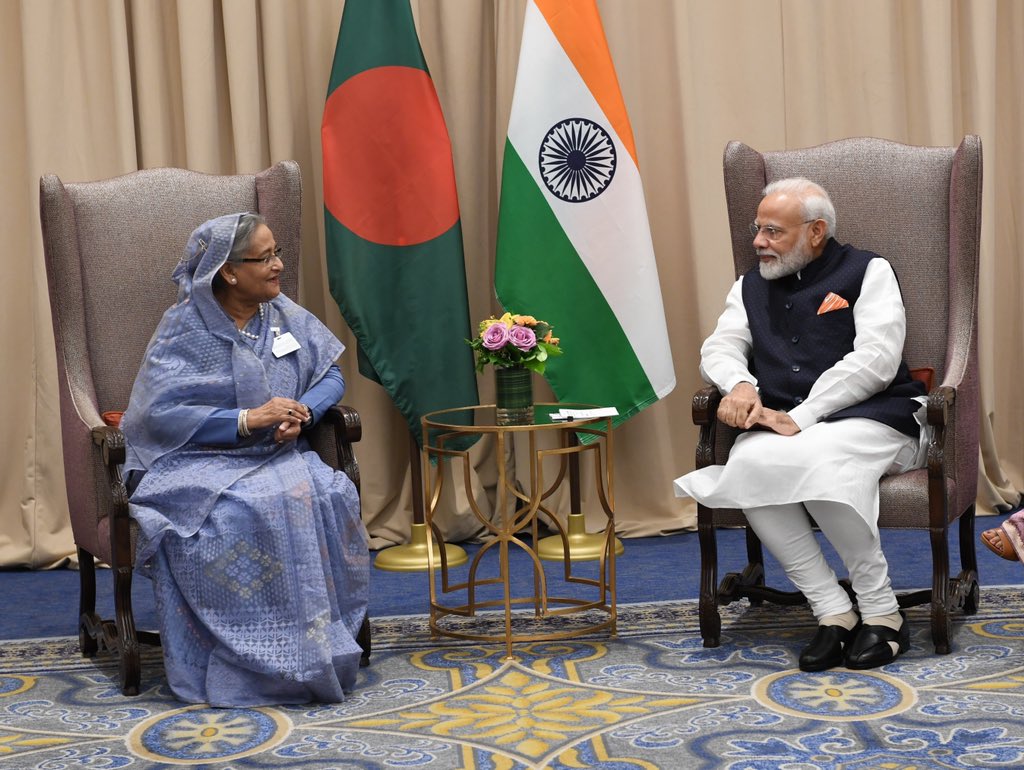
As the parliamentary elections approach, the political landscape in Bangladesh is growing increasingly tense. Located strategically in the Bay of Bengal, Bangladesh shares political, economic and cultural ties with India, along with a long border.
Bangladesh’s political stability is, therefore, closely linked to India’s broader security dynamics and economic growth. Any political upheaval in Bangladesh could have a ripple effect on India, especially considering the already strained India-Bangladesh relations following last year’s violent uprising.
In a detailed analysis for The Diplomat, geopolitical analyst and columnist Bahauddin Foizee offers a worrying update for India. This regional expert warns of a high likelihood of unrest in the lead-up to the election.
If such unrest leads to the rise of any political force unfavorable to India—perhaps even more so than the current government—India could face increased challenges from its eastern borders.
A Disruptive Route to the Elections
Bangladesh’s upcoming election is a turning point in the nation’s struggle for political stability after the student-led uprising of 2024 which forced former Prime Minister Sheikh Hasina into exile and brought Nobel laureate Muhammad Yunus to power in an interim government. The fall of Hasina’s Awami League party, once a dominant political force, has triggered a deep political crisis. Hasina’s ouster, her death sentence for alleged crimes during her tenure and the ban on the Awami League’s participation have set the stage for an intense political battle.
This backdrop of anger, division and unresolved issues creates a volatile mix. While Yunus and the interim government push for elections, and a reform package under the July Charter, the political climate remains tense and may spill into violence as rival factions vie for control.
Rivalries, Tensions and Divided Loyalties
Foizee highlights the fractured nature of Bangladesh’s opposition. The Bangladesh Nationalist Party (BNP), led by former Prime Minister Khaleda Zia, and the Bangladesh Jamaat-e-Islami (Jamaat), which had been banned under Hasina, are gearing up for fierce electoral competition. Both parties, historically at odds with Hasina, now seek dominance in the post-Hasina political landscape.
At the same time, tensions rise between the interim government and Hasina’s supporters. Her son, Sajeeb Wazed, has warned that the Awami League will take to the streets if his mother’s party is excluded from the electoral process. His promise of mass protests and the potential for clashes with law enforcement adds more volatility to an already fragile situation. Wazed claims that hundreds of thousands of Awami League activists are prepared to mobilize, risking violent confrontations with political rivals and authorities.
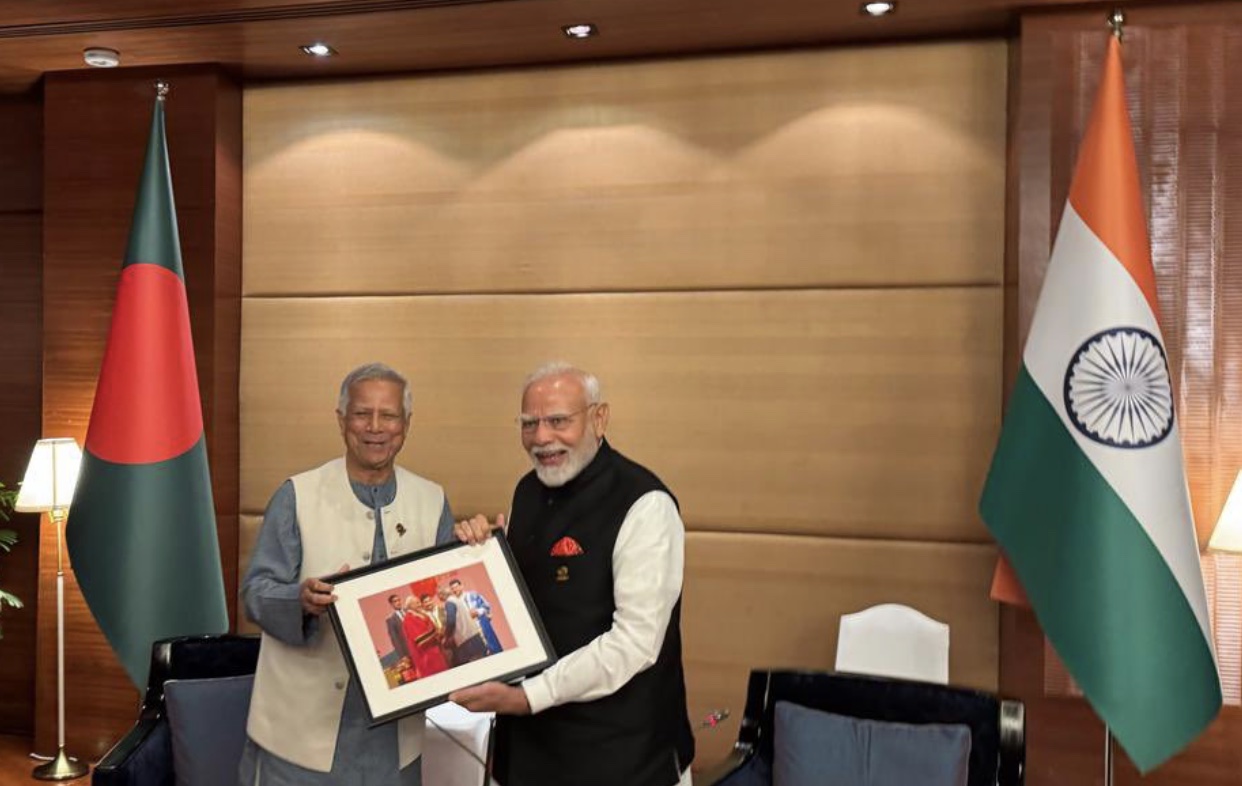
Foizee’s analysis, presented in the style of a risk intelligence report, emphasizes the high risk of large-scale protests and street violence. With Hasina’s party banned, the political vacuum could escalate confrontations, particularly between the BNP and Jamaat, who are already locked in their own power struggle.
Internal divisions among rival factions within both the BNP and Jamaat could further fuel unrest, as competing leaders within each party vie for control of electoral constituencies. Foizee notes that such intra-party conflicts will exacerbate broader unrest and undermine efforts to present a united front within each party.
To prevent violence, the interim government has pledged to boost security by deploying military personnel alongside regular law enforcement agencies. However, these measures may not be enough if political divisions persist and the Awami League’s calls for protests are realized. In fact, bloodshed echoes the violent history of Bangladesh’s elections since its independence from Pakistan.
Global and Regional Attention
Bahauddin Foizee’s analysis in The Diplomat paints a challenging outlook for Bangladesh, suggesting that restoring political stability will be an uphill battle. Deep-rooted political divisions and the looming threat of violence create a volatile environment where Bangladesh’s state institutions could face significant challenges to maintain stability.
All eyes will be on the interim government’s ability to navigate these turbulent times. Foizee argues that how the government manages the growing unrest, balances competing political interests and handles security will determine whether Bangladesh can hold a peaceful election, or if the nation will once again be consumed by the violence and instability that have plagued its recent history.
With so much at stake, the upcoming election is more than just a political contest; it is a test of Bangladesh’s political resilience. The world will be watching closely, hoping for peace but bracing for further turmoil.
India, too, should be paying close attention, as the rise of any political force more hostile to India than the current government could create prolonged challenges.
Disclaimer: The opinions and views expressed in this article/column are those of the author(s) and do not necessarily reflect the views or positions of South Asian Herald.
Related posts:
 The Fall of Sheikh Hasina: Death Sentence Shakes South Asia
 Sheikh Hasina Convicted in Absentia for Contempt Over Leaked “License to Kill” Remark
 A Test Balloon in Delhi: Why Shashi Tharoor Spoke on Sheikh Hasina’s Death Sentence When No One Else Did
 BHRW Urges U.S. and India to Lead Global Effort to Restore Democracy in Bangladesh