Join WhatsApp Channel

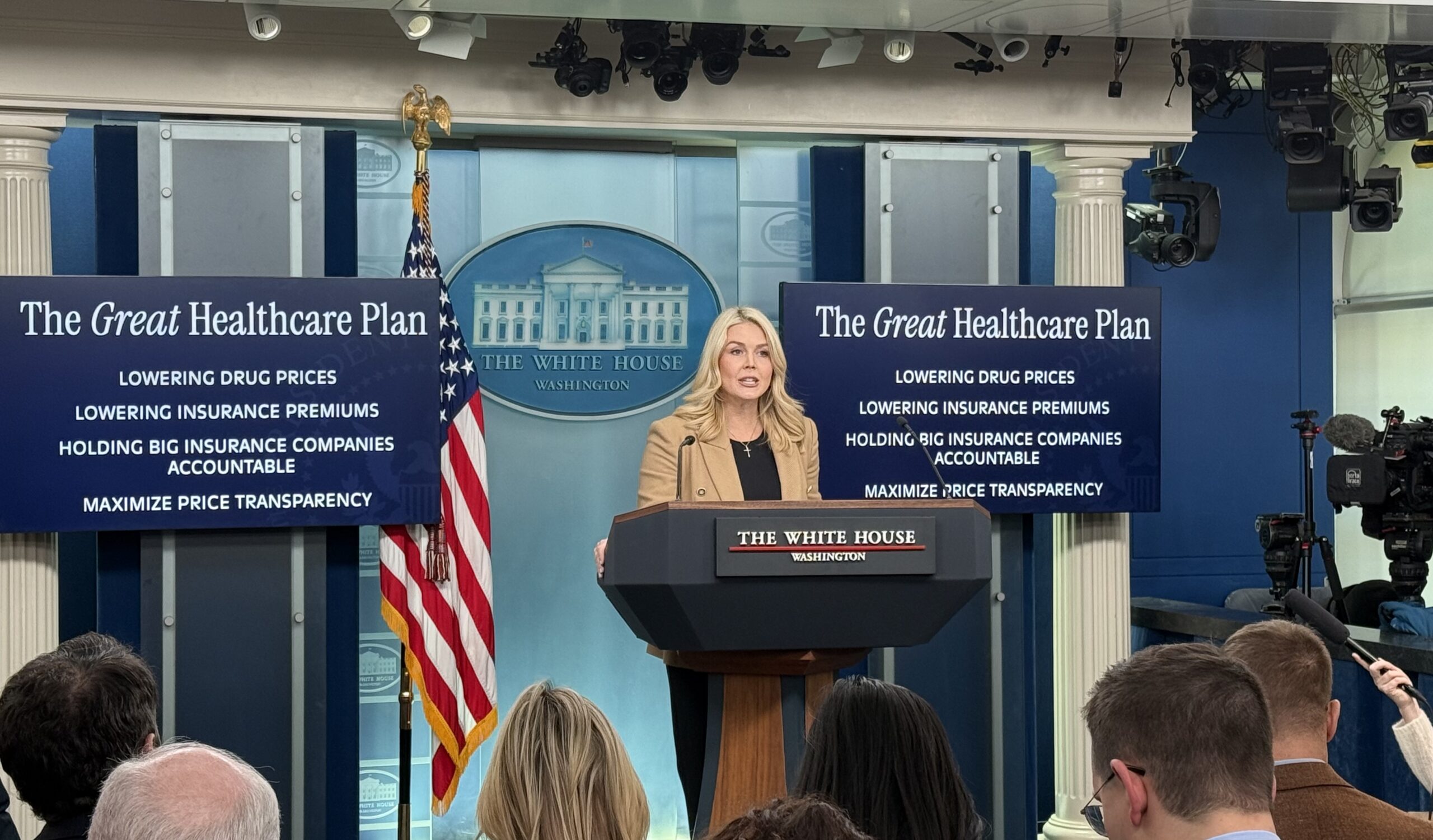
President Donald Trump has unveiled a new health care proposal, titled the “Great Healthcare Plan,” and is calling on Congress to pass the measure, which the White House describes as a “comprehensive plan.”
According to the administration, the proposal would “lower drug prices, lower insurance premiums, hold big insurance companies accountable, and maximize price transparency.”
“If this plan is put in place, every single American who has health care in the United States will see lower costs as a result. They will see more transparency,” said White House Press Secretary Karoline Leavitt during a briefing on January 15.
Leavitt said the proposals within the Great Healthcare Plan are widely supported by the American public and are designed to benefit all Americans, not only those currently participating in the health insurance marketplace. She added that the measures would lead to continued cost reductions across the system.
Addressing prescription drug prices, Leavitt cited the administration’s efforts under the Most Favored Nations approach.
“You’ve seen these big pharmaceutical companies in the Oval Office saying that this President and his team were nonstop around the clock, pressuring us and negotiating with us to lower the cost of prescription drugs for Americans,” she said, adding, “We are already seeing that to the tune, in some cases, of more than 500 per cent.” She also said the TrumpRx website will be formally launched soon to provide Americans access to lower drug prices.
Leavitt said the Great Healthcare Plan is built on four “common sense” pillars and encouraged Americans to visit greathealthcare.gov for more information.
Lowering drug prices
The first priority is permanently reducing prescription drug costs. Congress can achieve this by enacting President Trump’s most favored nation policy into law, ensuring that Americans pay the same lower prices for prescription medications as consumers in other countries. This approach would also expand consumer choice by allowing more verified, safe pharmaceutical drugs to be sold over the counter.
Lowering insurance premiums
The second component of the healthcare plan would end the practice of providing billions of dollars in taxpayer-funded subsidies to large insurance companies. Instead, those funds would be directed straight to eligible Americans, enabling them to purchase the health insurance plans that best suit their needs. The plan also includes funding for cost-sharing reduction programs and eliminates kickbacks from pharmacy benefit managers to large brokerage intermediaries.
Holding big insurance companies accountable
The third proposal seeks to hold major insurance companies accountable by mandating that they clearly publish rate and coverage comparisons on their websites in plain, easy-to-understand language. This would help consumers and families make informed healthcare purchasing decisions. Together, these proposals form what is described as President Trump’s comprehensive and ambitious healthcare agenda aimed at lowering costs more aggressively than any previous federal effort.
Maximize price transparency
The fourth element focuses on increasing price transparency by requiring healthcare providers and insurers that accept Medicare or Medicaid to clearly and publicly disclose their prices and fees. This measure is intended to prevent surprise medical bills and reflects a policy that has enjoyed bipartisan support for years. President Trump is now explicitly urging Congress to take action and implement it.
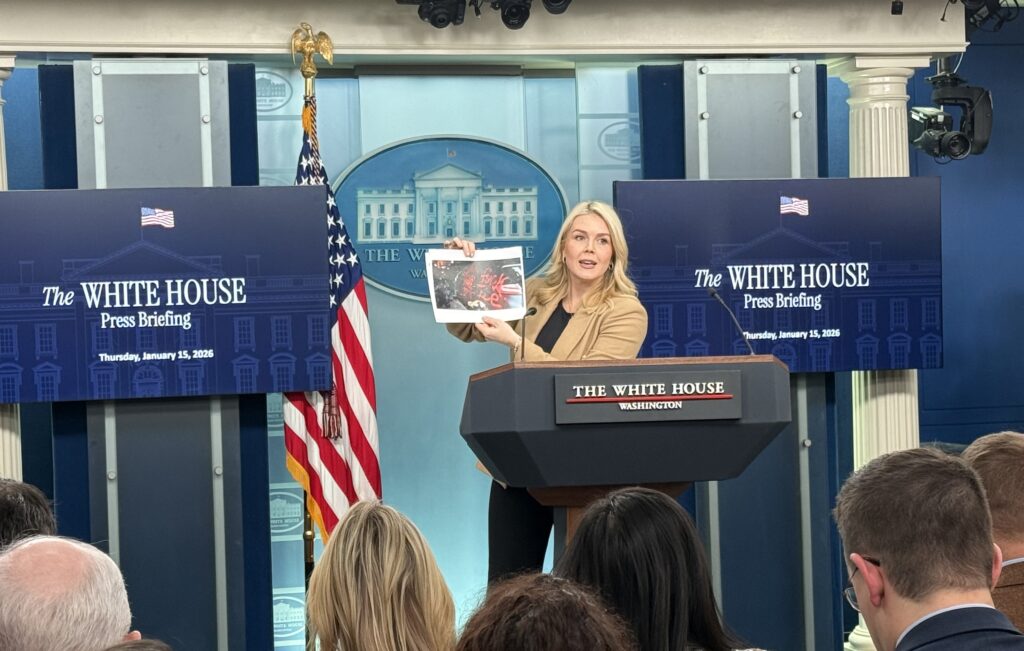
Leavitt emphasized that a central goal of the plan is lowering insurance premiums by ensuring taxpayer funds are directed to individuals rather than insurance companies, while eliminating kickbacks that contribute to higher premiums.
“So this plan, once put into legislative texts and passed by Congress and sent to the President’s desk, will stop sending big insurance companies billions of extra taxpayer funded subsidy payments and instead send that money directly to eligible Americans to allow them to buy the health insurance of their choice…”
Leavitt added that Congress and the White House will work together to implement the proposal. She said the plan includes funding for a cost sharing reduction program for health care plans, which she stated would save taxpayers at least $36 billion and reduce premiums for the most common Obamacare plans by more than 10 percent, citing estimates from the Congressional Budget Office.
During the briefing, Leavitt was also asked about President Trump’s social media post referencing the possible use of the Insurrection Act in Minnesota. She said the Act is a “tool” at the President’s “disposal,” noting it has been used “sparingly” by previous presidents.
Defending the post, she said it spoke “very loud and clear” to Democrats and elected officials whom she accused of using their platforms to encourage violence against federal law enforcement officers and encouraging “left wing agitators” to unlawfully obstruct legitimate law enforcement operations.
Leavitt criticized Minnesota Governor Tim Walz, arguing that Democratic leaders in sanctuary states and cities have failed to support law enforcement. “It’s despicable what we’re seeing from these Democrat politicians, especially in sanctuary states and cities across the country,” she said.
“I would encourage Governor Walz and other Democrats who are demeaning law enforcement to sit down and have a cup of coffee with an ICE agent or a border patrol agent,” she added, commending the work of Immigration and Customs Enforcement officers and noting that they are enforcing immigration laws under official direction.
Leavitt also addressed questions about remarks attributed to the President suggesting that the midterm elections scheduled for November should be canceled. Referring to a recent interview with Reuters, she said the comments were made in jest.
“I believe you’re referring to the President’s interview at Reuters last night. I was in that interview. It was a closed-door interview obviously. There was no audio or video. The President was simply joking. He was saying, we’re doing such a great job. We’re doing everything the American people thought maybe we should just keep rolling. But he was speaking facetiously,” she added.
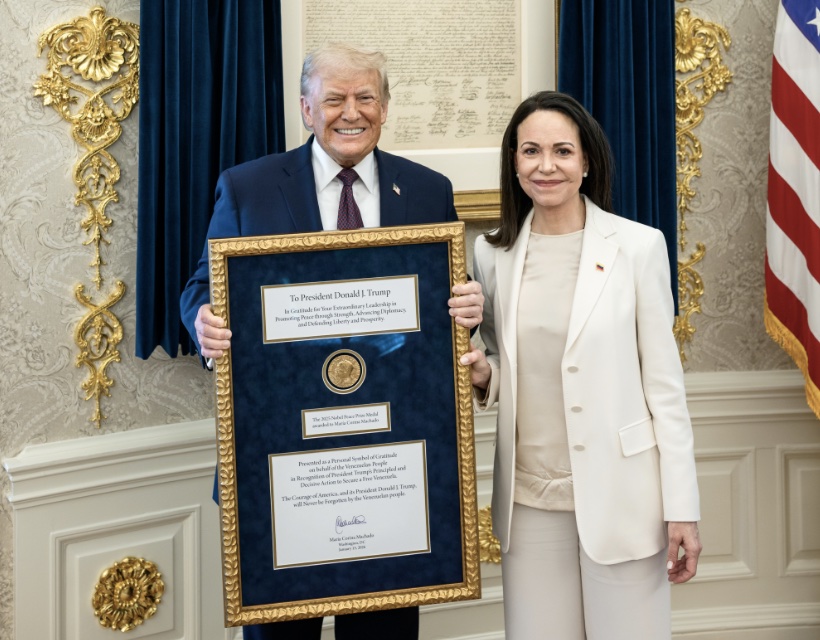
Venezuelan opposition leader María Corina Machado, who met President Trump at the White House on January 15, later said she presented her Nobel Peace Prize to him.
Related posts:
 Govt. Shutdown Ends, Washington’s Deal Leaves Obamacare Subsidies Hanging in Suspense with Threats of Higher Health Costs
 How the Shutdown Began and How it Ended with a Bipartisan Approach
 White House Blames Democrats as Federal Shutdown Enters Sixth Day, Warns of Delayed Paychecks for Workers and Troops
 Strengthening the Partnership with India is Key to Tackling the Global Synthetic Drug Crisis