 Join WhatsApp Channel


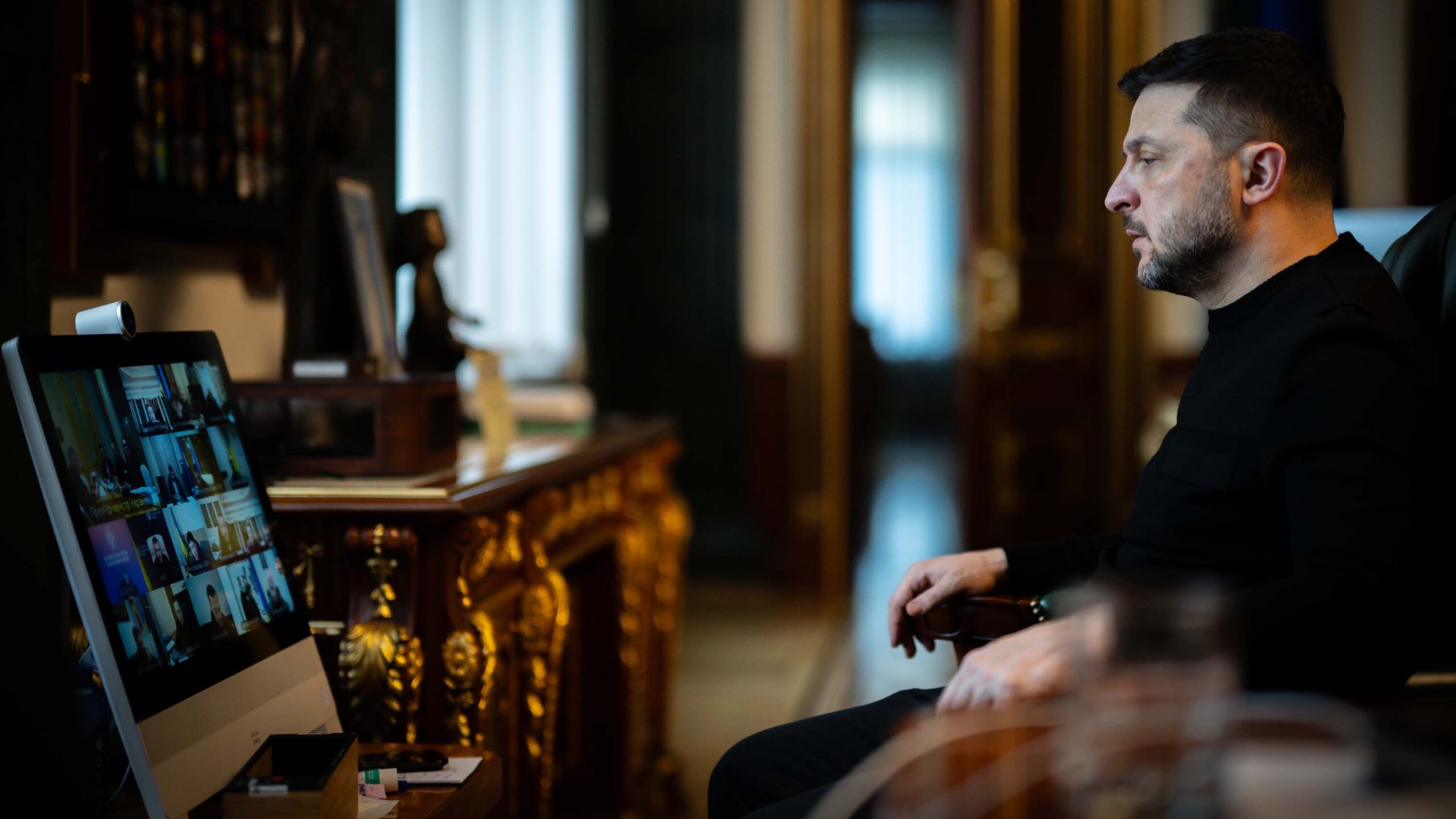
No one was expecting quick fixes at the start of 2026. If anything, there was a conviction that the New Year was going to see the persistence of old conflicts with no early end in sight.
Take for example the war in the Ukraine which will soon enter its fifth year: Russia and Ukraine, the principals in the conflict, are nowhere close to any agreement; some would even say that the positions have hardened with Moscow insisting that territory would have to be ceded if lasting peace is to come about. The small grace in the brutal goings on is of a concession by Russia not to target energy infrastructure of Ukraine where the biting cold winter has severely impacted its peoples.
The United States is playing the role of an interlocuter knowing full that the final decisions will have to be hammered out between Moscow and Kyiv. It has been blowing hot and cold but hardly in a position to seriously threaten either of the parties. And there is Europe and the North Atlantic Treaty Organisation (NATO) taking the position that if President Vladimir Putin is not stopped now, Ukraine could be the start of his long-held ambitions.
In all the loud noise few seem to ask the most relevant question: what is President Putin asking or if Western security can be achieved without the participation of Russia. For the last twenty odd years President Putin has been saying only one thing: whatever you do in Europe, keep me in the loop.
President Donald Trump’s foreign policy headaches do not start and end with Ukraine. He quickly realized that all the campaign talks of ending the Ukraine war in one day upon entering the White House for his second term cannot be done. And constantly blaming the Biden administration for the current mess is not going to end the war either.
Egging on Kyiv for an accelerated entry into the NATO by the previous Democratic dispensation only made matters worse. Even after sixty-five years the West does not seem to have learned the lessons of the Cuban Missile Crisis: if Washington refused to accept Soviet missiles in its backyard in Cuba, it is highly unlikely that President Putin will allow NATO missiles in his front yard via Kyiv in the NATO.
President Trump appears to have a bigger problem in his own hemisphere coming by way of Venezuela. Plucking President Nicolas Maduro and his wife out of the Presidential Palace on January 3 did not mean that the raids in the Caribbean and the eastern Pacific on the drug boats or for that matter chasing down sanctioned tanker fleets carrying oil were over.
What started as a seemingly smooth transfer of power to the new acting President Delcy Rodriguez has now run into rough weather. Washington does not see a problem in Caracas; but the political machinery has started questioning the Trump administration; and the opposition refusing to recognize the legitimacy of the new scheme of things, labelling it as a cabal of President Maduro’s cronies or simply “criminals.”
Part of the frustration in Washington is on account of the lack of full cooperation from acting President Rodriguez. Even as the Trump administration has loosened some of the sanctions regime against Venezuela and slowly trying to make it more productive in its oil exploration and exports, Caracas is refusing to toe the line on Iran, Moscow and Beijing, its bell weather friends of yesteryears.
The U.S. Treasury Department issued a general license authorizing established American entities to engage in certain transactions involving Venezuelan crude. “Venezuela will actually make for themselves more money than they’ve ever made before, and that’s a good thing,” President Trump said.
Part of the problem in Venezuela was something that was quite evident from the day of the capture of President Maduro. If the intent was to rid Caracas of the Maduro regime, Washington has left in place the same faces of the older era and without a game plan for the future.
By rejecting the political opposition, Washington has virtually sanctified what President Nicolas Maduro did in 2024—dismissing an election that was won fair and square by the opponents of the regime. Now, at some point of time in the future, the United States will have to run a democratic election that has all the potential of President Maduro’s foes coming out on top; and they need not be friends of the Trump administration.
The flux in the international system does not start and end with Ukraine or Venezuela; Greenland or Gaza. Asia, for that matter has not been spared by the uncertainties. As it is the region is bracing for some change by way of elections in Japan and Thailand. But the persistent “strategic ambiguity” over Taiwan by the United States has made room for unease, even in a feeling that President Trump may be giving China too long of a rope in the Indo Pacific to the detriment of long-standing allies in the region. All this has given the impression that President Trump is looking at China from his own perspective and in the context of his forthcoming visit this April.
For all the international excitement that was generated by President Trump with his G-2 proposal—the United States and China as a duopoly to manage global affairs — at a time when the world was looking away from bipolarity to a new multi-polar system that takes into account the aspirations of all including the Global South. Washington would do well to remember how Official China responded to the G-2 by speaking of “responsibility as major countries” and “mutually beneficial cooperation.” The world is too complicated for order to be restored in a day or two; or for that matter at the likes and dislikes of a few.
Disclaimer: The opinions and views expressed in this article/column are those of the author(s) and do not necessarily reflect the views or positions of South Asian Herald.
Related posts:
 Opinion: A Test of Wills in the Backyard
 Opinion: Another Set of Sanctions on Russia
 Putin Lands in New Delhi as India Reasserts Strategic Autonomy Amid Global Pressure
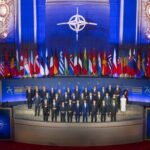 President Biden says Ukraine will fight Russia with collective support of NATO; White House says India can help end the war in Ukraine
