Join WhatsApp Channel


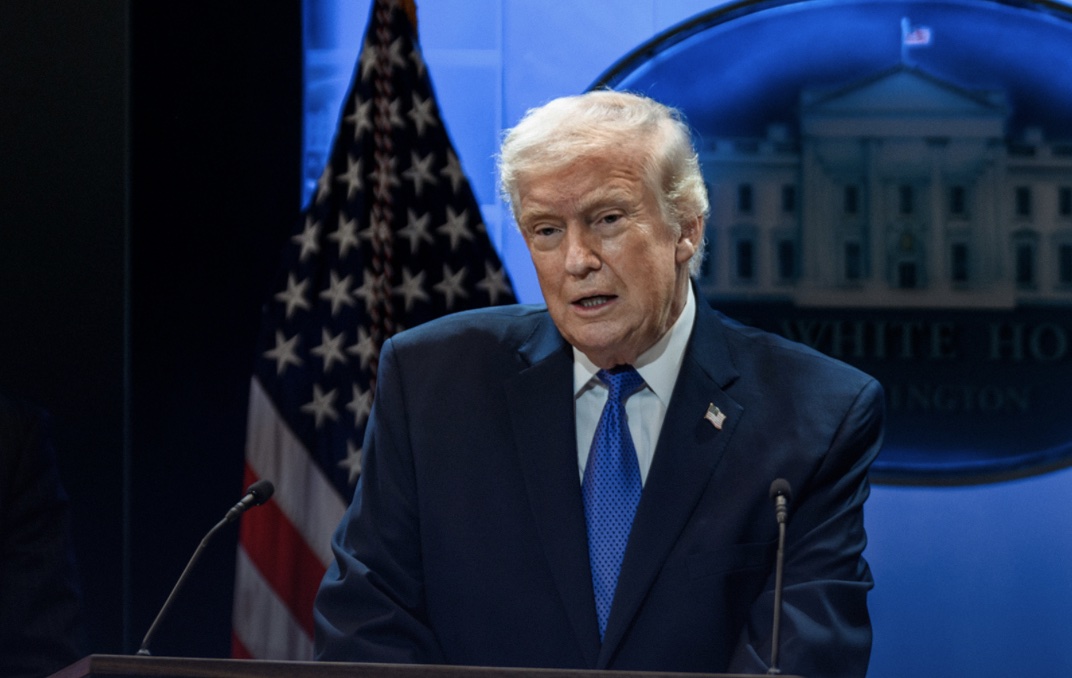
It is a conflict that no one really needs at this point in the international system. And some of it has to do with the question of what really it is all about. A nuclear deal between Iran and the United States? Regime Change in Iran? Forcing a change of guard in Tehran keeping nuclear weapons program as a ruse?
Or all of the above? What the world is now witness to is an amassing of military power, the United States boasting of at least two aircraft carriers and the large assortment that comes with it and a wide range of airpower not just out of the seas but from perhaps land bases including from those of allies. And President Donald Trump giving a window of ten days.
Not to be left behind, Iran too is getting ready with all the bombast thrown in, especially as it has to do with dragging the entire region into an all-out war if it really came to that. Tehran has closed the Straits of Hormuz and its air space. Adding to this excitement is the announcement from Moscow that it is formally on the side of its ally with some reports suggesting that perhaps even a joint naval exercise is taking place. Still no official word from China, Iran’s other top ally, the trio customarily hand-in-glove on any major international development.
The worrisome part goes beyond Tehran and Washington unable to iron out their differences after two rounds of talks in the Middle East and Geneva. The fear is in the buildup of a hype that either side cannot back down easily without something called “losing face.” And this is especially so for President Trump who came away last June saying that Iranian nuclear weapons program had been wiped out or delivered a devastating blow by B-2 bombers using bunker busters. Even at that time analysts were expressing deep reservations of such a claim. Now there is the talk of Tehran not only having dusted off or repaired some of the damage but perhaps also strengthened its underground facilities against future waves of B-2s.
The problem with Iran’s nuclear program is that it will remain under close watch even if a deal of sorts has been reached. The suspicion will always be there on its development of a nuclear weapon once it has mastered the know-how and has enough knowledgeable scientists to carry on. And to believe that any new regime will simply abandon its interests is wishful thinking indeed.
At the center of the Iranian nuclear weapon is the destruction of Israel; and to abandon that quest abandons the central theme of Tehran’s foreign policy. Without Israel there is no rallying point for any regime in Tehran. And Washington and Tel Aviv know this too well. This is one reason why Iran plays such a vital role in Israel-United States relations. Further, it is believed that if the talks have stalled it is not just on core nuclear issues like uranium enrichment and missiles but also on the other major issue of sanctions relief.
The diversion of focus to a nuclear deal could not have come at a better time for the clerics led by Ayatollah Khamenei. Just about five or six weeks ago the shrill international voices were calling upon Washington to stop the brutal killing of anti-regime protestors; and the Trump administration also gave the impression that it was getting ready to do something.
But suddenly the sideshow came into play with nuclear weapons program getting a higher degree of attention; and an atmosphere where very few are talking about the internal civil strife or dissent. In fact, in all the massive show of force around Iran, the clerics would want President Trump to at least start a mini-airstrike as that could be used to bring the people around. Rallying behind the flag phenomenon is not unique to one or two countries. It is a universal phenomenon.
The big question for Washington is after a military strike what could follow. If the massive protests in Iran showed anything, it is that it lacked any strong leader or even someone claiming to lead the show. What is it that the Trump administration would have to show for; the worst of the scenarios being of one set of clerics replaced by another; or the son of the Shah of Iran saying from exile that he is ready to step in, perhaps not realizing the strong anti-monarchy feeling that propelled the Ayatollahs into the scene in 1979 and in the mess that followed thereafter. With just about nothing to lose, the clerics are quite capable of starting an attack on all American bases and assets at sea in the region, just in the name of teaching a lesson.
The markets are already jittery, and oil prices have started rising sensing the war bugle. And it is quite unlikely that allies of Washington in an around the Gulf are exactly cheering the staring down of a regime they all despise but have learnt to live with. Distressing as it may seem, the discussion by the hour is not if President Trump will choose the military strike option but when he will give the go ahead. Sadly, it is not a question of testing each other’s political limits but in coming to a conclusion that the differences are too wide to be resolved by diplomacy.
Disclaimer: The opinions and views expressed in this article/column are those of the author(s) and do not necessarily reflect the views or positions of South Asian Herald.