Join WhatsApp Channel


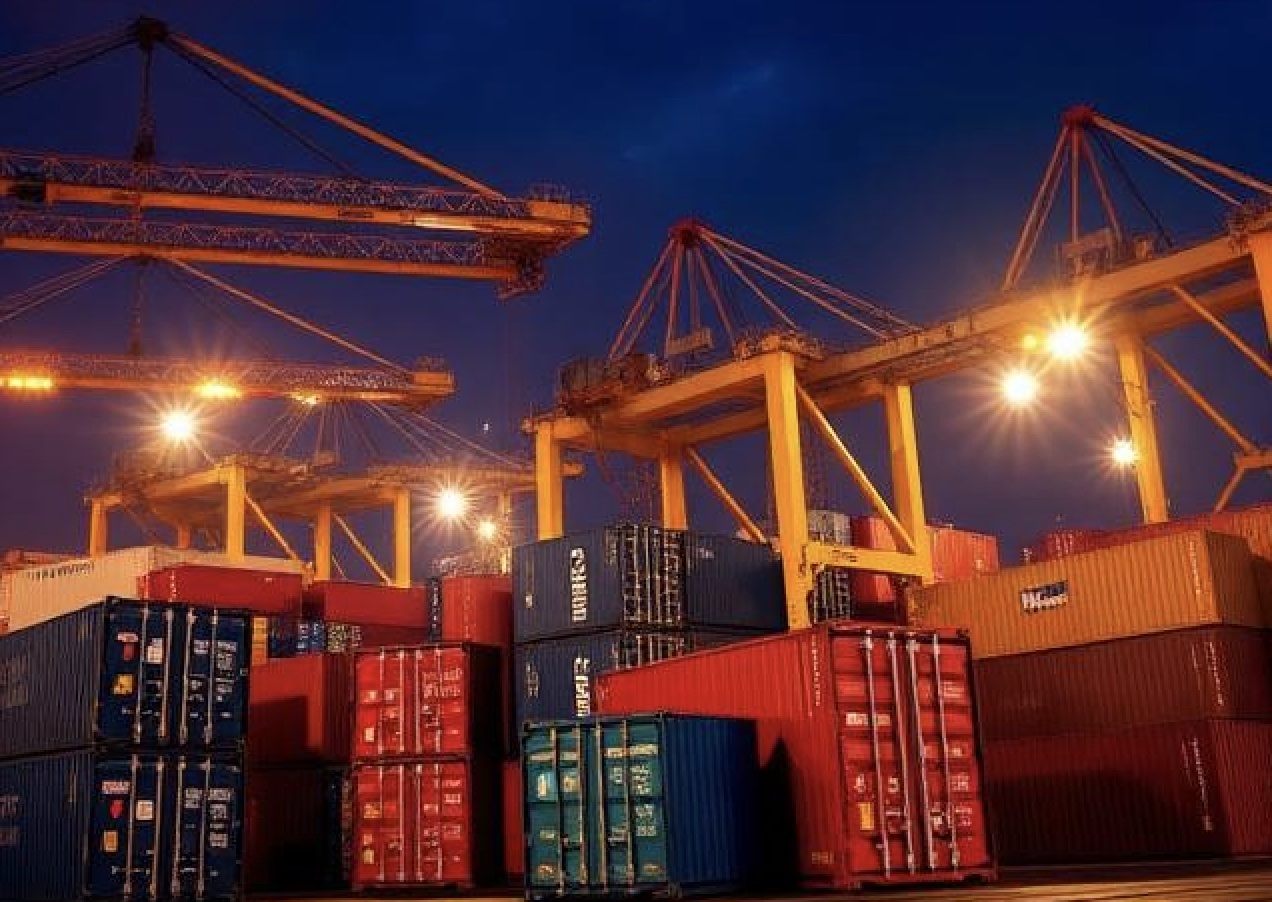
South Asia’s trade outlook is coming under increasing pressure as the ongoing Middle East conflict threatens to push up energy and fertilizer costs, disrupt supply routes, and strain food security, even as global trade remains partially supported by a boom in artificial intelligence (AI)-related goods, according to the latest report by the World Trade Organization.
The WTO’s Global Trade Outlook and Statistics projects that global merchandise trade growth will slow sharply to 1.9% in 2026 from 4.6% in 2025, with risks heavily skewed to the downside due to geopolitical instability. For South Asian economies—many of which are heavily dependent on energy and fertilizer imports—the implications could be disproportionately severe.
Energy shock raises import bill risks
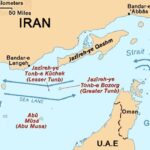
The disruption of shipments through the Strait of Hormuz, a critical artery for global oil and gas flows, has already triggered a surge in energy prices. Oil prices have climbed to around $90 per barrel (approximately ₹7,500), while LNG prices in Asia have risen to about $16 per MMBtu (roughly ₹1,300).
For South Asian economies such as India, Pakistan and Bangladesh—net importers of energy—this translates directly into higher import bills, widening current account deficits and renewed inflationary pressures. The WTO warns that if high energy prices persist, global GDP growth could fall to 2.5% in 2026, with trade growth weakening further to 1.4%.
Fertilizer disruptions threaten agriculture
Perhaps more critical for the region is the disruption to fertilizer supplies. Around one-third of global fertilizer exports pass through the Gulf, making the conflict a direct threat to agricultural production cycles.
India alone depends on the Gulf for roughly 40% of its urea imports, while countries like Bangladesh and Sri Lanka also rely heavily on external fertilizer supplies. Any sustained disruption could push up input costs for farmers, forcing reduced usage or crop shifts—ultimately affecting yields, food prices and rural incomes.
The report notes that rising fertilizer and energy costs could compound existing vulnerabilities, particularly in regions where food inflation remains politically and economically sensitive.
Trade and logistics disruptions ripple outward
The Middle East also plays a central role in global logistics and connectivity, acting as a hub linking Asia, Europe and Africa. Disruptions have already led to a near halt in maritime traffic through Hormuz and the cancellation of over 40,000 flights in the region.
For South Asia, this raises concerns over shipping delays, higher freight and insurance costs, and potential rerouting of trade flows—all of which could increase the cost of exports and imports. Key sectors such as textiles, pharmaceuticals and agricultural exports may face delays and margin pressures.
Services trade—particularly travel, aviation and transport—is also expected to take a hit. The WTO estimates global services trade growth could slow to 4.1% in 2026 under a prolonged conflict scenario. For countries like India, where services exports are a major growth driver, this could temper momentum.
AI-driven trade offers partial cushion
Despite these headwinds, the WTO highlights that strong global demand for AI-related goods could provide some support. In 2025, trade in such products surged nearly 22% to $4.18 trillion (around ₹347 lakh crore), accounting for a significant share of global trade growth.
South Asian economies, particularly India, are increasingly integrated into global digital and technology supply chains. While the region is not a major exporter of semiconductors, its growing role in software services, data infrastructure and digital platforms could help offset some external shocks.
However, the report cautions that this support is uneven and cannot fully counterbalance the broader impact of higher energy costs and disrupted supply chains.
Regional divergence and vulnerability
Asia is expected to remain the fastest-growing region in trade terms in 2026, with imports projected to rise 3.3% and exports 3.5%. Yet within Asia, South Asia’s performance will likely lag more industrialized East Asian economies due to its higher exposure to commodity imports and lower export diversification.
At the same time, global trade growth in goods and services combined is expected to slow to 2.7% in 2026, nearly in line with projected global GDP growth of 2.8%. This signals a broader cooling of trade intensity, with fewer tailwinds from post-pandemic recovery and frontloaded demand.
Policy stability seen as critical
WTO Director-General Ngozi Okonjo-Iweala emphasized the importance of policy coordination to cushion the impact. “Maintaining predictable trade policies and strengthening supply chain resilience will be key to limiting the economic burden,” she said.
For South Asian policymakers, this could mean diversifying energy sources, securing alternative fertilizer supply chains, and reinforcing domestic production capacities.
Outlook hinges on conflict duration
Ultimately, the trajectory for South Asia—and the global economy—will depend on how long the Middle East conflict persists. A quick resolution could stabilize energy markets and allow trade growth to recover, potentially lifting global merchandise trade growth to as high as 2.4% in 2026.
But a prolonged crisis risks embedding higher costs across supply chains, weakening demand, and forcing structural shifts in trade routes.
For South Asia, already navigating inflationary pressures and external imbalances, the stakes are particularly high.