Join WhatsApp Channel


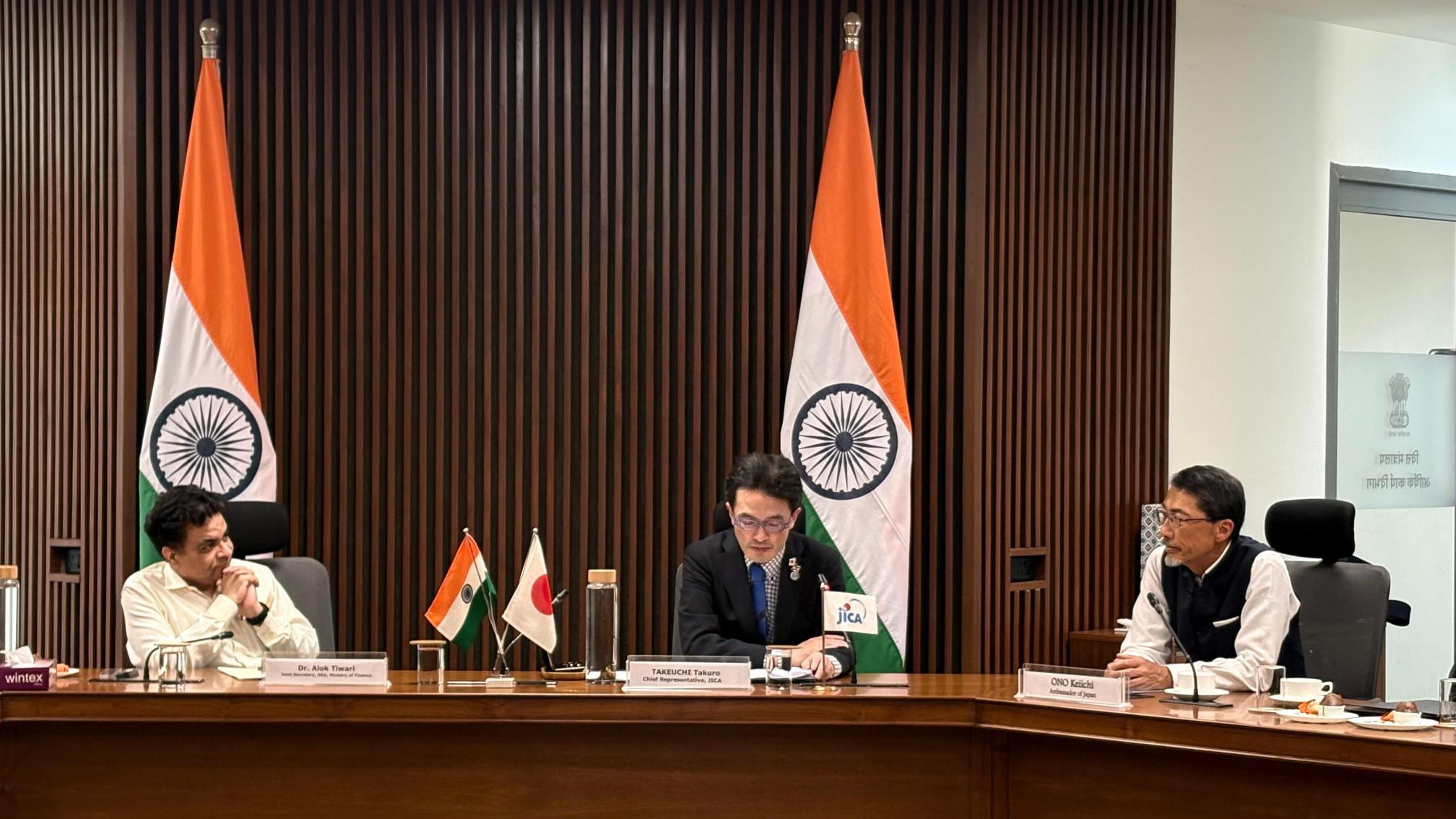
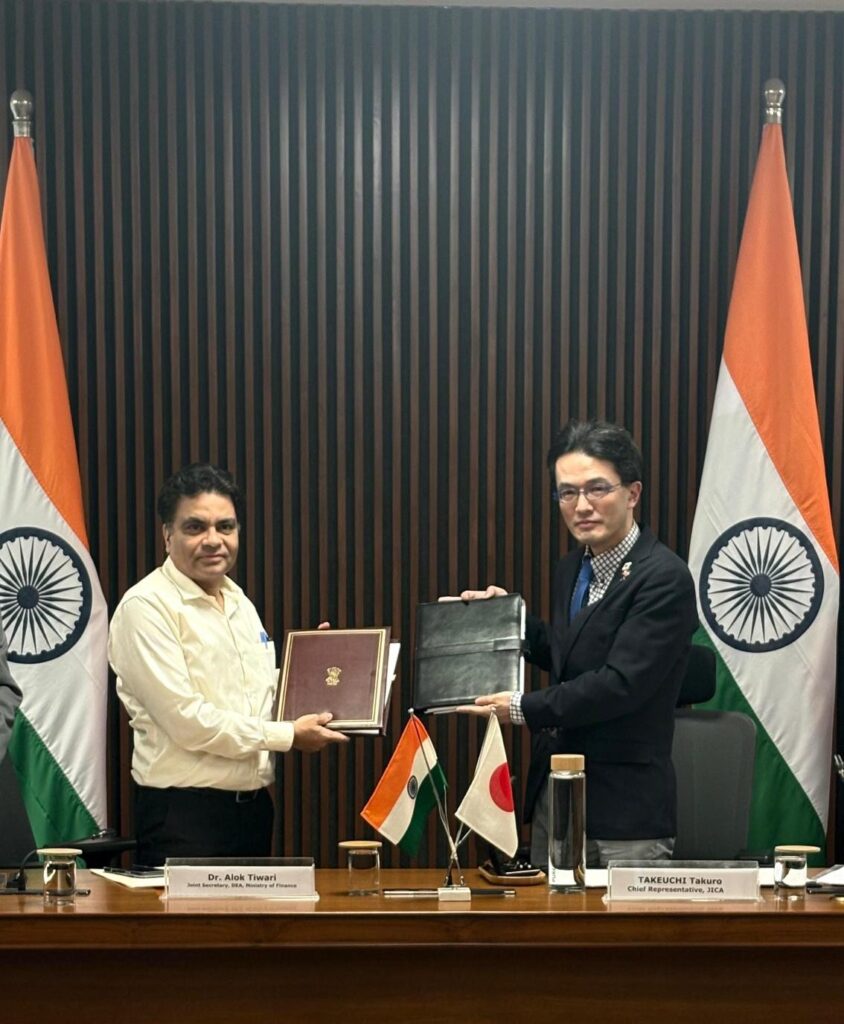
India and Japan on Tuesday firmed up a fresh set of development financing agreements worth nearly ¥276 billion (about $1.7 billion), with funds earmarked for metro rail expansion in two major cities, healthcare capacity building in Maharashtra, and a climate-focused agriculture initiative in Punjab.
The loans, extended by the Japan International Cooperation Agency, were formalized through agreements signed with the Government of India, represented by the Department of Economic Affairs under the Ministry of Finance.
The assistance package spans four projects, reflecting a broad sectoral spread and a continued Japanese emphasis on long-gestation infrastructure and social sector investments in India.
The largest component—¥102.48 billion (around $650 million)—has been committed to Phase III of the Bengaluru Metro, which will add nearly 45 km of elevated corridors. The project is expected to deepen multimodal connectivity and support transit-oriented urban growth in the technology hub, where congestion and commuter pressure have intensified sharply in recent years.
A further ¥92.4 billion (approximately $580 million) will finance the Mumbai Metro Line 11, an underground corridor stretching over 17 km. The line is designed to improve east–west connectivity and integrate with key infrastructure projects, including the Mumbai Trans Harbour Link, easing travel across one of the country’s most densely populated urban regions.
Beyond transport, the agreements place notable emphasis on human development.
In Maharashtra, ¥62.29 billion (about $390 million) has been allocated to upgrade tertiary healthcare systems and expand medical and nursing education capacity. The initiative is expected to support new institutions, strengthen training frameworks, and introduce advanced medical technologies, addressing persistent gaps in specialized care and skilled healthcare personnel.
In Punjab, a smaller but strategically significant ¥18.68 billion (roughly $120 million) programme will focus on horticulture, with an emphasis on climate resilience. The project aims to shift farmers towards high-value crops, improve post-harvest infrastructure, and deploy digital tools to enhance market access—an approach aligned with broader efforts to diversify farm incomes while mitigating environmental stress.
Officials indicated that the projects will be executed by state-level agencies, with completion timelines stretching into the early 2030s.
The latest round of financing underscores Japan’s enduring role as a key development partner for India, particularly in metro rail systems and urban infrastructure. It also reflects a gradual broadening of cooperation into social sectors and climate-linked agriculture, even as both sides seek to align development financing with sustainability goals and long-term economic resilience.