Join WhatsApp Channel


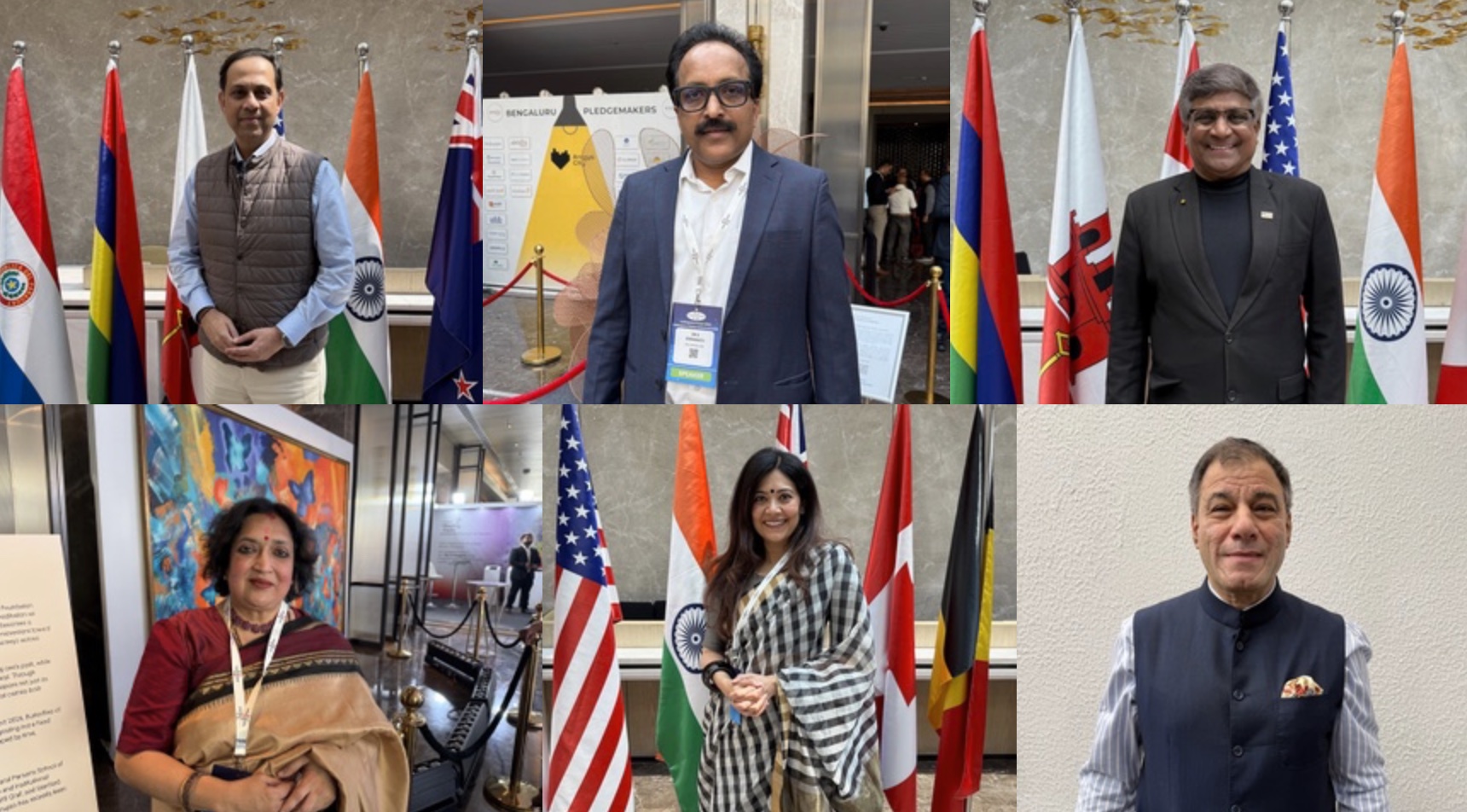
Prominent leaders from across business, philanthropy, science, policy, and the arts shared perspectives exclusively to South Asian Herald at the Indiaspora Forum 2026 in Bengaluru. They highlighted the expanding role of the Indian diaspora in shaping India’s future and contributing to global progress, emphasizing collaboration, innovation, inclusive growth, and a shared commitment to giving back.
Sanjiv Bajaj, Chairman and Managing Director, Bajaj Finserv Limited
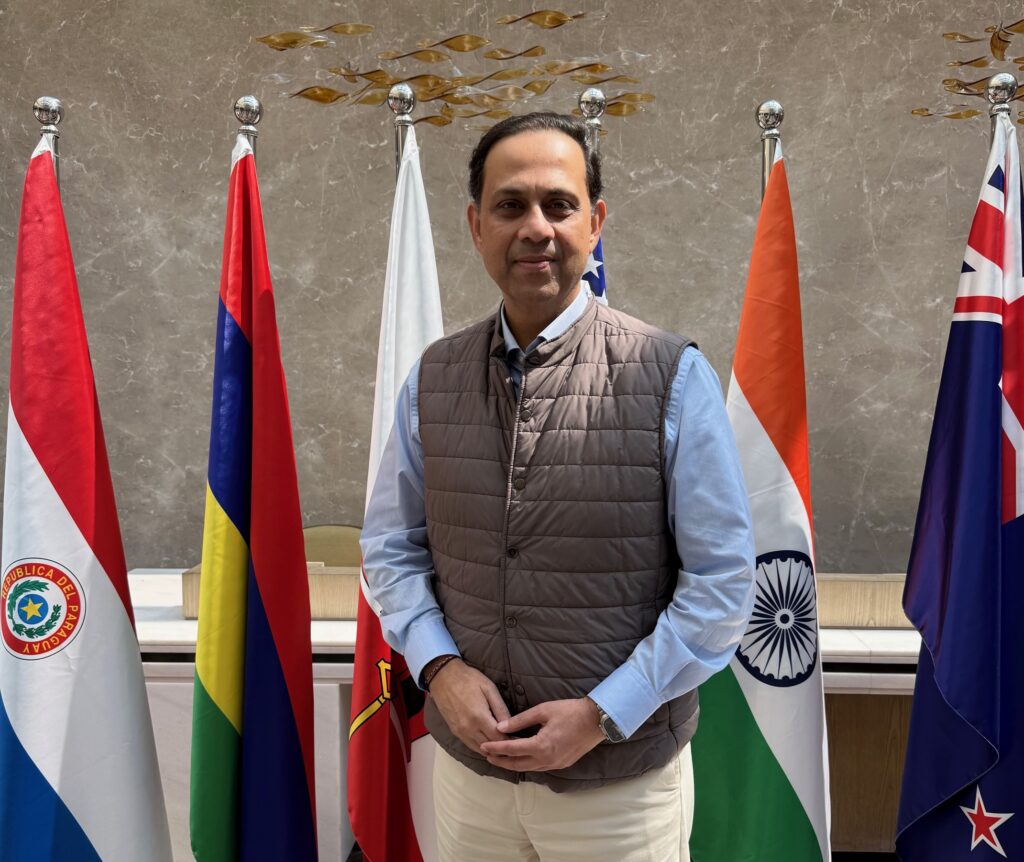
Sanjiv Bajaj highlighted India’s long-term growth potential and the role of the diaspora in supporting it, particularly through financial services, innovation, and investment. “It is great to be here at the Indiaspora Forum 2026 in Bengaluru. I just finished my session on the India opportunity, particularly in financial services, which is the business I lead. We are truly excited about the opportunity to engage with the global diaspora here. Over the next 20 years, India has the potential to grow at around 8 percent annually and transition its 1.5 billion people from a low-income to a middle- and high-income economy. This growth is driven by innovation, inclusion, and collaboration with the diaspora, leveraging their experience, knowledge, and capital. Over the past 15 years, both physical and digital public infrastructure have created a strong foundation for growth across sectors. As a financial services provider, we support this through lending, insurance, and investment, and we continue to see significant opportunities ahead.”
Vijay Amritraj, Former Tennis Player & Founder VAF-Vijay Amritraj Foundation
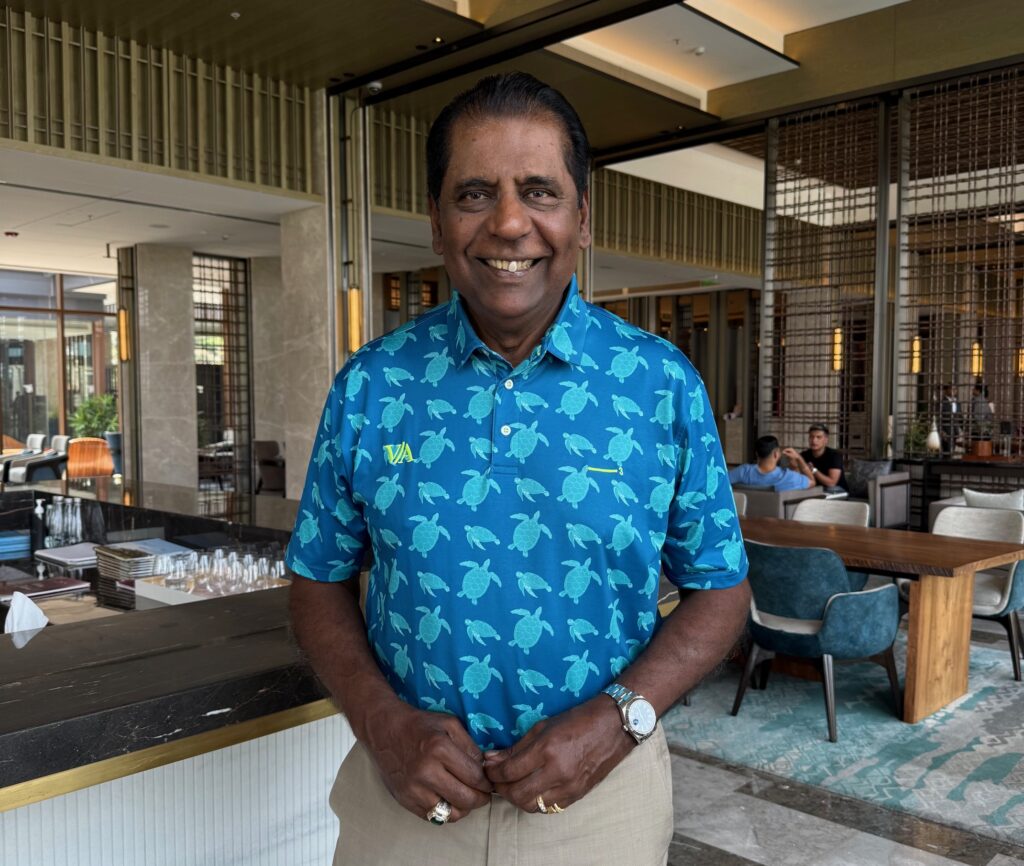
Vijay Amritraj described the forum as an energizing platform for learning, exchange, and global perspective. “Indiaspora 2026 has been quite special here in Bengaluru. My congratulations to MR Rangaswami, Sanjeev Joshipura, and the entire team for bringing the community together from across the world, especially under challenging circumstances. What I value most is the quality of people and the opportunity to learn from individuals across different walks of life. That is what energizes people to attend such events. It is valuable to hear perspectives on where we stand globally, how India is positioned, and how the rest of the world views these developments. These interactions are deeply educational, and even informal networking provides significant learning opportunities. As members of the Indian diaspora from different parts of the world, we are able to share experiences and learn from one another, whether in San Francisco, Miami, the UK, Australia, or New Zealand. I find that very energizing.”
Lord Karan Bilimoria, Founder, Cobra Beer
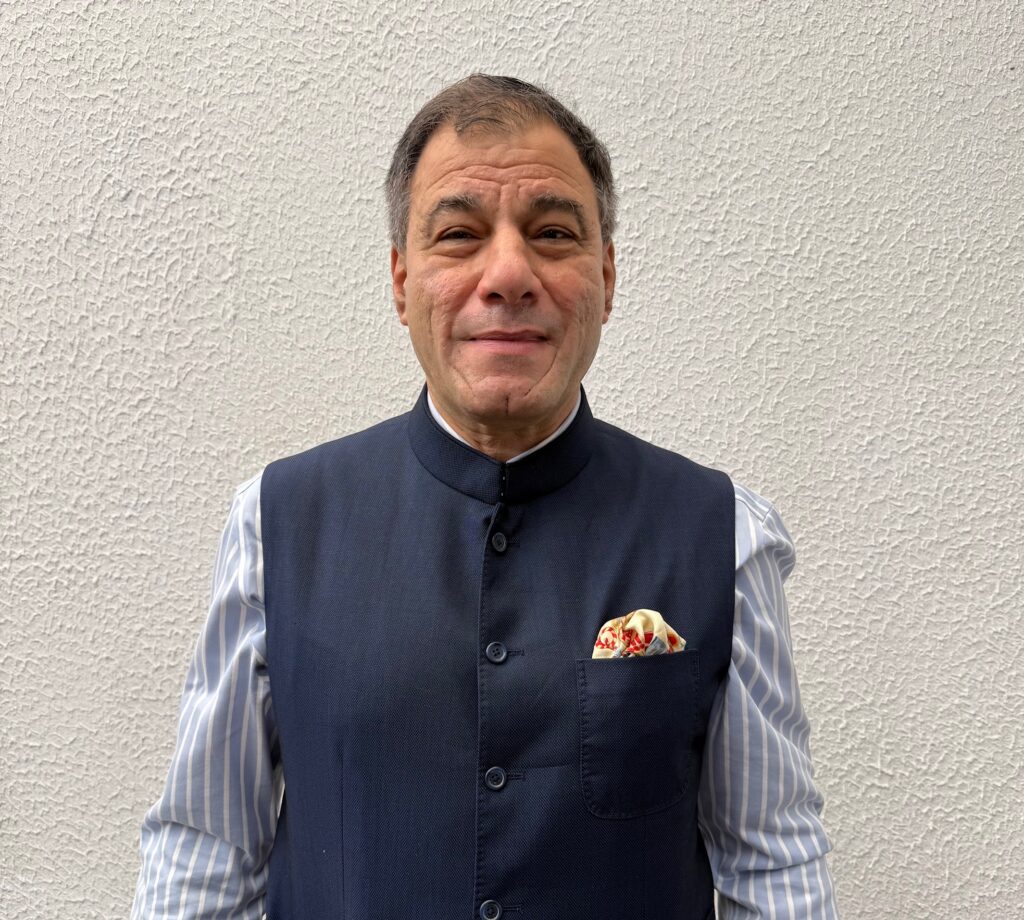
Lord Karan Bilimoria described the forum as a major success, highlighting the scale of participation and the value of global connections. “The Indiaspora annual conference in Bangalore has been a tremendous success, bringing together leading members of the 35 million-strong Indian diaspora from across the world. The range of sessions, from philanthropy and technology to space and its challenges, has been remarkable, including contributions from global leaders such as Prem Watsa, who addressed us live from Canada. The entertainment has been exceptional, and the opportunity to connect with members of the community from around the world is invaluable. I commend MR Rangaswami and his team for creating this platform. The friendships formed, the business conducted, and the connections built between India and other countries are truly significant. As members of the diaspora, we serve as a living bridge between our countries of residence and India, and Indiaspora is playing a key role in strengthening that bridge. I am very grateful for this outstanding event.”
Latha Rajinikanth, Educationist & Founder, The Ashram Group of Institutions
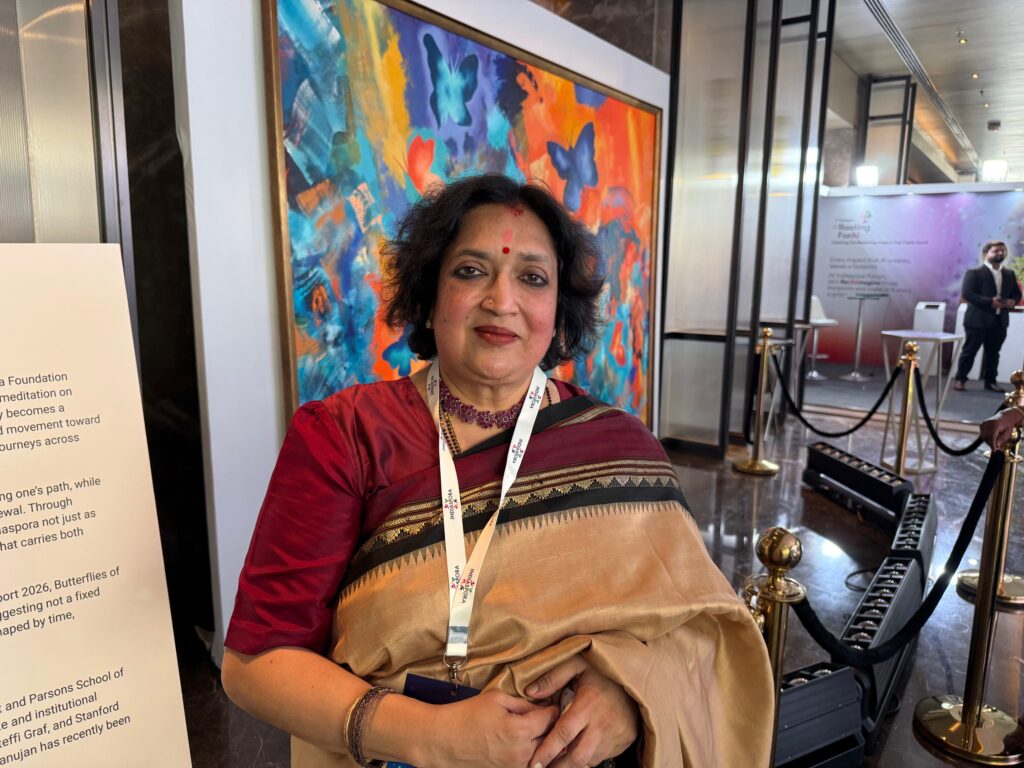
Latha Rajinikanth highlighted the importance of bringing together achievers from across the globe to contribute to the greater good. “I think it’s very important for people across the globe, achievers who have made it in their lives, to come together so that we can focus on what we can do for the rest of the world. I believe such platforms must be more frequent, and they should also reach other regions, including South India and different states, so that we can take this forward in a larger way,” she said.
She also emphasized the need for deeper local engagement and supporting grassroots causes. “I come from Tamil Nadu, and I think the best way is to feel connected. There is a real need for us to support causes happening around us and the vision of people who want to do more. That is the kind of giving I come from. Giving is part of my upbringing, and it is not because you have that you give. I believe it is an instinctive approach to life that we develop from childhood. My parents did not give because they had a lot, but because they wanted to. I saw people around me giving not because they had enough, but because they wanted to.”
Rohini Nilekani, Chairperson, Rohini Nilekani Philanthropies
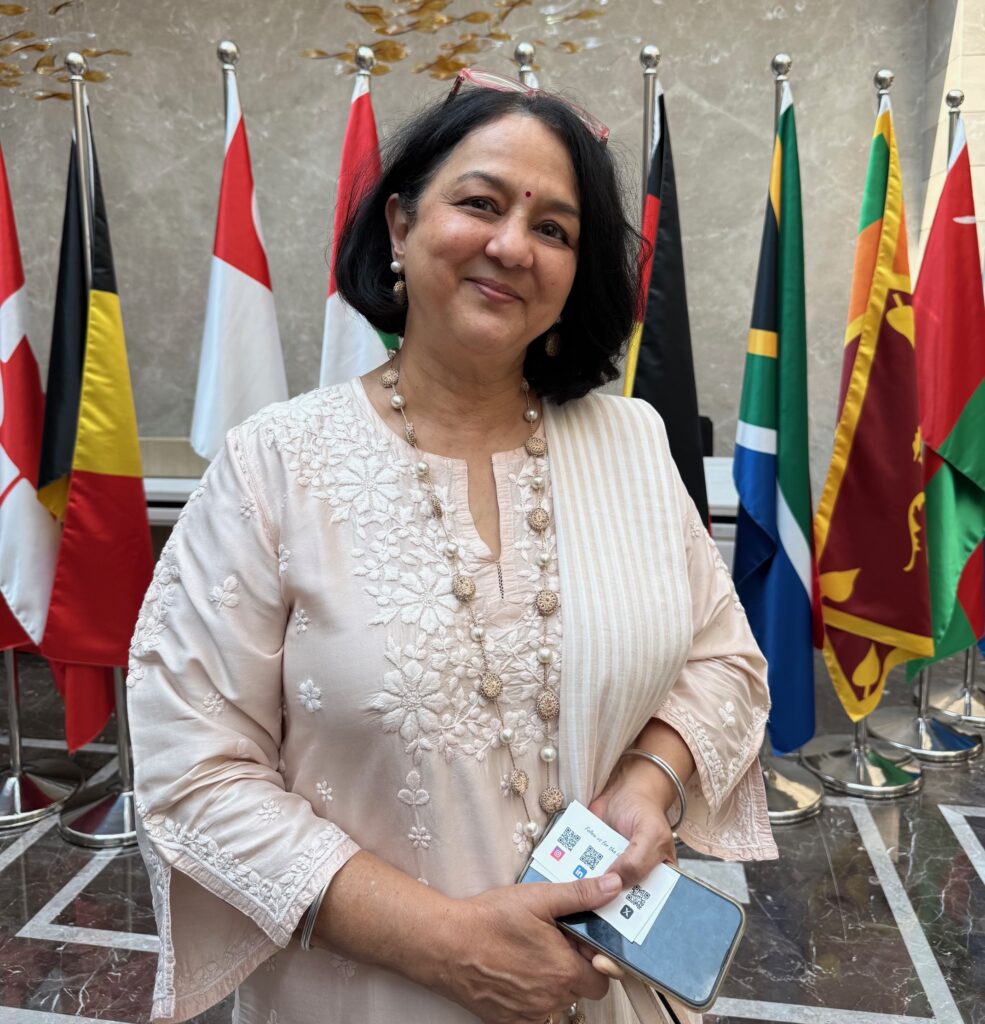
Rohini Nilekani described Indiaspora as a global platform enabling the diaspora to engage meaningfully with India. “I think Indiaspora has become a very important global movement for the diaspora to find its purpose, reconnect with India, continue contributing, and build collaborations. I have seen the work of Indiaspora over the past 10 years, and it feels like a good point they have arrived at. I am very happy to be here.”
Radhika Bharat Ram, Joint Vice Chairperson, The Shri Ram Schools
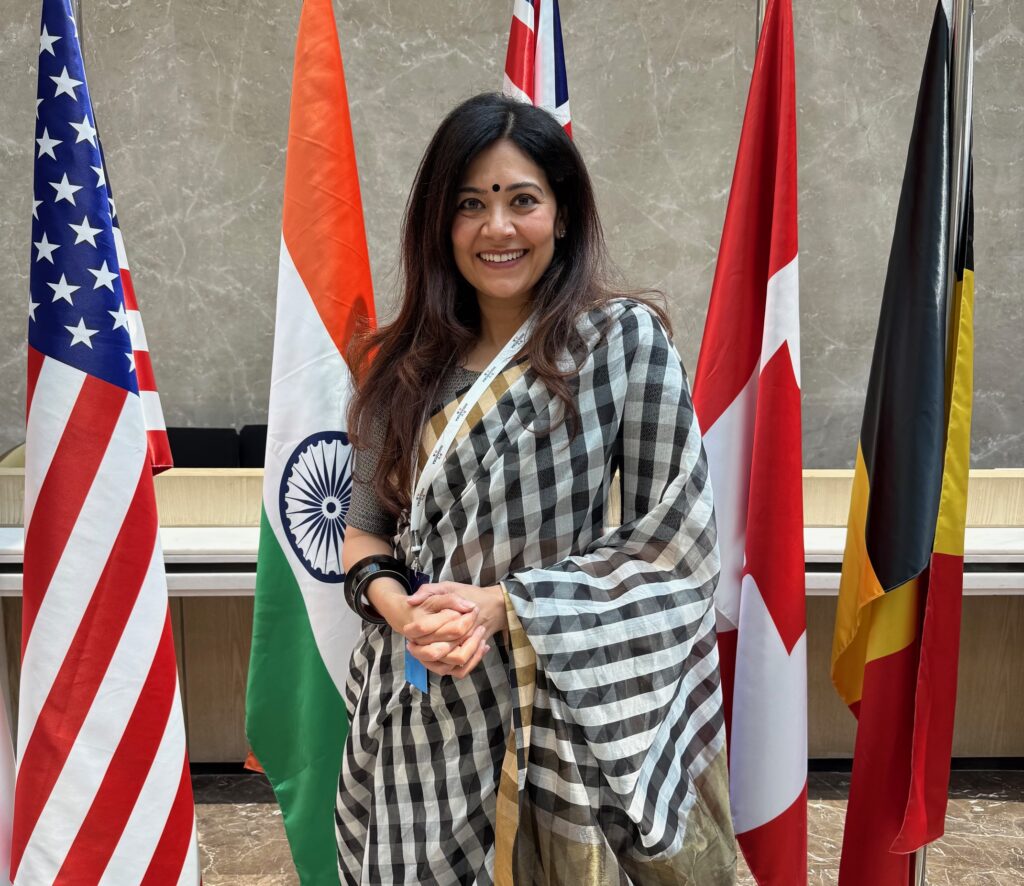
Radhika Bharat Ram emphasized cross-sector collaboration in shaping India’s future, particularly in healthcare, innovation, education, and philanthropy, while stressing the importance of women’s leadership. “I think the panel was very exciting, highlighting how healthcare, innovation, education, and philanthropy can come together to shape the next phase of India’s growth. For me personally, the participation of women is critical. They cannot be left behind. We need to see more people investing in the leadership of young women and ensuring they are at the tables where decisions are made about their future. I am very excited about what has been created by the Indiaspora Forum, and I hope it will continue to support innovation and philanthropic investment in building the next phase of India’s growth.”
S. Somanath, former Chairman of the Indian Space Research Organization
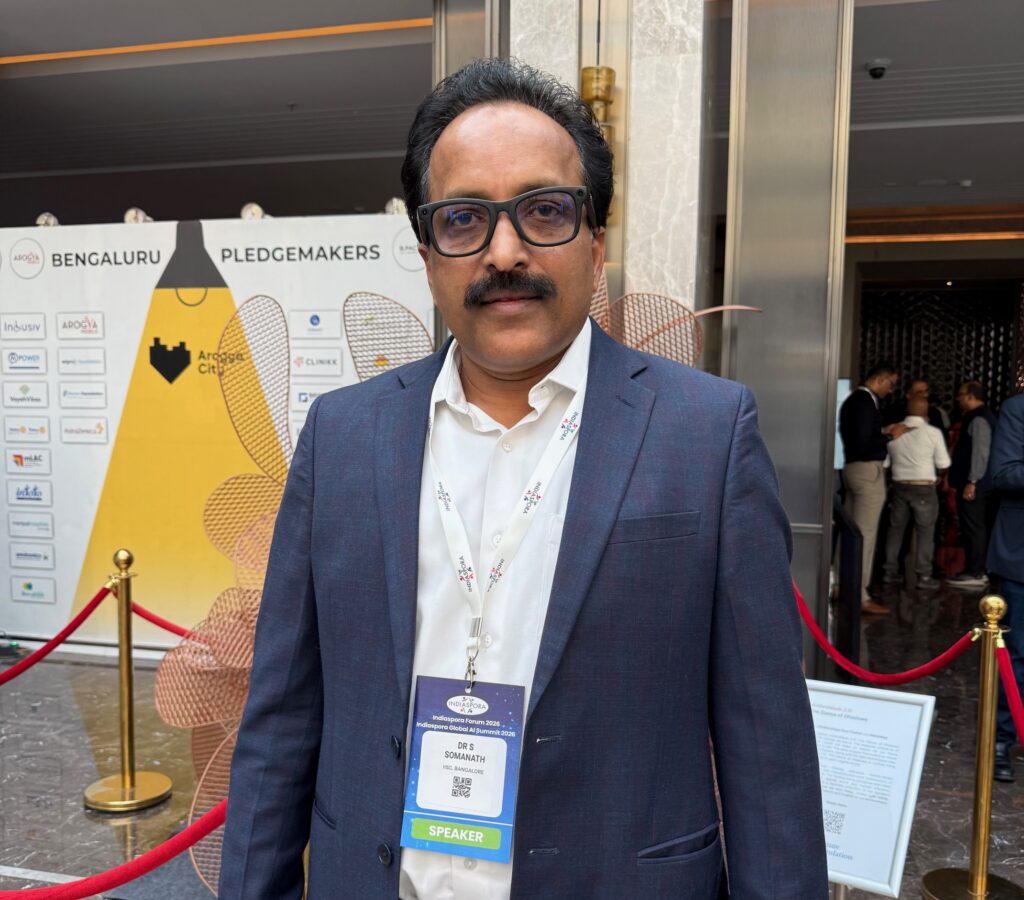
S. Somanath, former Chairman of the Indian Space Research Organization, outlined the strategic and commercial importance of India’s emerging space ecosystem, including the need to expand capabilities across communication, navigation, and earth observation while ensuring global competitiveness and business viability. “I am a former Chair of the Indian Space Research Organization. Currently, I am the Chancellor of Chanakya University, a visiting professor at the Indian Institute of Science, an advisor to the Andhra Pradesh government, and I work with several startup companies in the space sector. I am participating in this Indiaspora Forum as a panelist to discuss the emerging space ecosystem and its relevance in both civilian and strategic domains, especially in the context of evolving geopolitical situations and the importance of India establishing a strong presence in this domain. One of the biggest challenges we often discuss is that India must have a global reach while also ensuring that it makes business sense. We need to consider how much the government and the private ecosystem should invest in space capacity building over time, across areas such as communication, imaging, timing and navigation services, and strategic capabilities. It is important to enhance capacity significantly from current levels, but this depends on growth potential and business viability. A purely regional approach may not make sense, so we must first build strong systems and eventually scale them globally, particularly in areas such as low Earth orbit constellations. When global LEO constellations are being developed worldwide, India does not yet have its own sovereign constellation, raising the question of why we should not create one. It is equally important to build high-fidelity, high-repetition earth observation capabilities, as well as strategic systems for missile detection and signal intelligence to address modern conflicts. There are many such questions, including how to involve industry participation, how governments can act as anchor customers, and how these capabilities can serve not just India but other countries as well. These are some of the key issues we are discussing.”
Sethuraman Panchanathan, University Professor of Technology and Innovation, Arizona State University
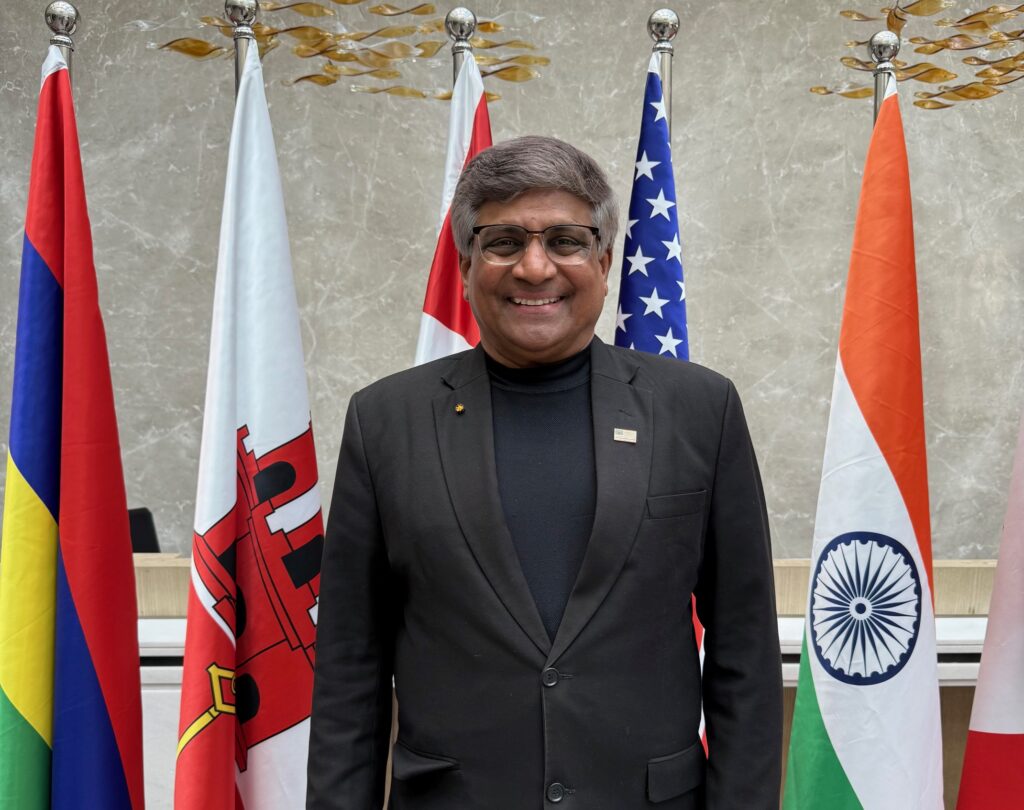
Panchanathan emphasized the importance of strengthening global partnerships and leveraging diaspora networks for collective impact. “I am delighted to be here at Indiaspora. This is a powerful gathering of people from across the globe, united by a common purpose of building strong bridges between India and the countries they come from. This is a very important moment for both India and the world. The ability for all of us to contribute, whether through partnerships, advisory roles, or engagement in impactful projects, is significant. The collaboration between India, the largest democracy, and the United States, the oldest democracy, holds tremendous potential. The global Indian diaspora has achieved considerable success, particularly in the United States and other parts of the world. Bringing this collective strength together to contribute to humanity, society, and global progress is both the right and the smart thing to do. I am very excited to be part of this effort.”
Chef K N Vinod, internationally respected Indian Culinary Expert
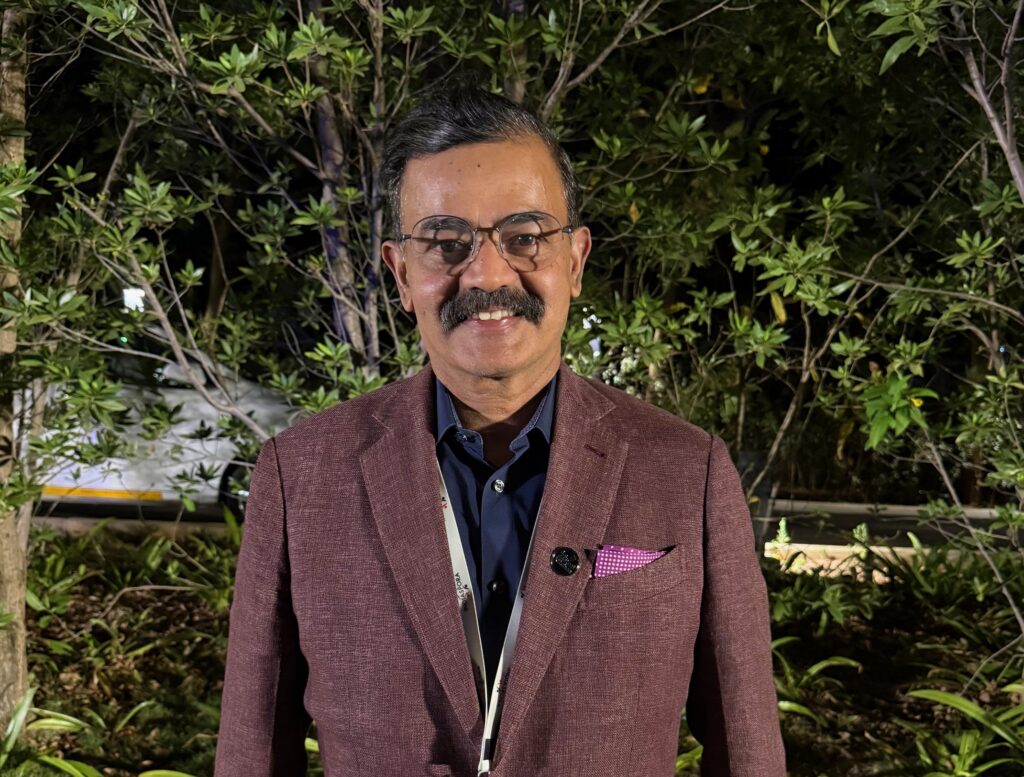
Chef K. N. Vinod reflected on the forum’s emphasis on social impact and empowerment. “Attending Indiaspora 2026 in Bangalore was both a pleasure and a profound honor. The opening night, featuring the legendary Usha Uthup, created an electric atmosphere that took me back to my early days as a trainee at the Ashok Hotel in New Delhi, listening to her iconic voice. However, the most meaningful part of the event for me was the opening day’s plenary and breakout sessions. Having been deeply involved with DC Central Kitchen and World Central Kitchen, I found the focus on social impact especially compelling. The discussions reinforced a core philosophy from my mentor and ‘Guru,’ Robert Egger, that true charity is not about the redemption of the giver, but about the liberation and evolution of the receiver. It was inspiring to see global leaders aligned with this mission of empowerment.”
Related posts:
 ‘Indiaspora Forum for Good’ to Unite Global Indian Leaders for Actionable Solutions, Collaboration, and Innovation
 U.S.-India Space Business Forum in Bengaluru Highlights Growing Commercial and Strategic Collaboration
 Indiaspora Forum 2026 in Bengaluru to Convene Global Leaders on AI, Climate, Geopolitics and Diaspora Impact
 Indiaspora Forum 2026 Opens in Bengaluru with Focus on Philanthropy, Community Impact, and Cultural Celebration