Join WhatsApp Channel


There is a certain image of Indian success in the United States that has become almost automatic. It is about writing code, raising venture capital and building in Silicon Valley, where a third of the tech workforce is of Indian origin. It is celebrated, and rightly so. But it is also incomplete.
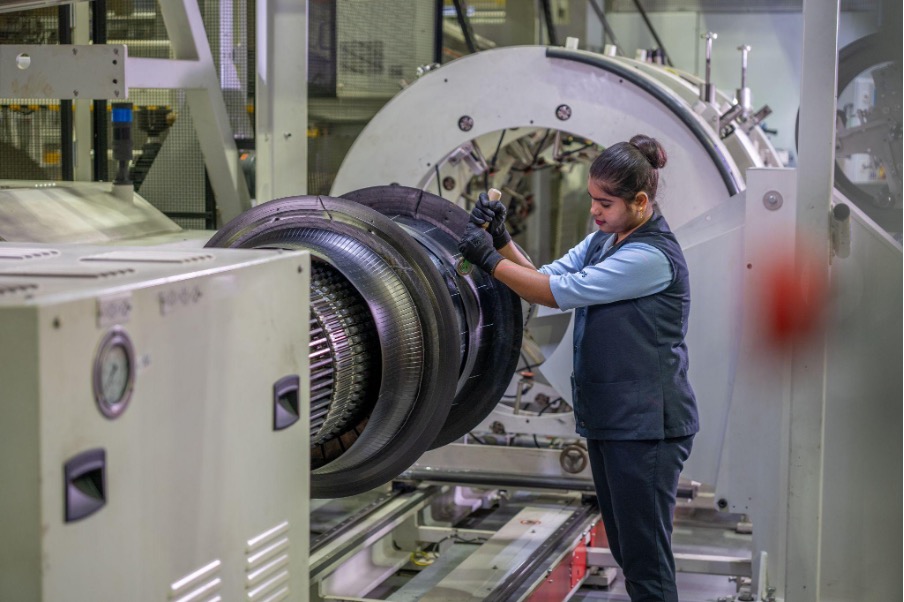
Step outside that world, away from start-ups and software, and a different story comes into view. It is less visible, but no less important. It sits in industrial parks, in supply chains, and in the products that move through the economy every day. It is manufacturing.
The visibility gap
That perception did not emerge by accident. For years, India’s economic relationship with the United States has been read largely through a services lens. India’s software-services exports to the US, which reached US$108.3bn in 2024-25, help explain why.
That scale has shaped how Indian capability is recognized globally, but it no longer tells the whole story. What it misses is how much has changed on the industrial side.
They are building more specialized, higher-value capabilities with a growing role in global supply chains. Part of that shift has been reinforced by Make in India, the 2014 initiative to position India as a global design and manufacturing hub.
Beyond cost, towards capability
This is not about volume. It is about producing at scale while meeting the standards global manufacturers are expected to meet. It is about treating research and development as an operating priority, not a supporting function. At Apollo Tyres, that means building around two R&D centres across India and Europe, and manufacturing systems designed to deliver consistently across markets. It also means pairing cost discipline with engineering ambition. That is not always the easiest story to tell.
Increasingly, Indian manufacturers compete by solving for cost, quality and performance at the same time, often with less room for waste and across more demanding operating conditions. That is frugal engineering at its best: not doing things cheaply, but delivering results. At Apollo Tyres, that means product development, manufacturing efficiency and cost optimization working together, especially when raw-material volatility and supply-chain disruption leave little room for complacency.
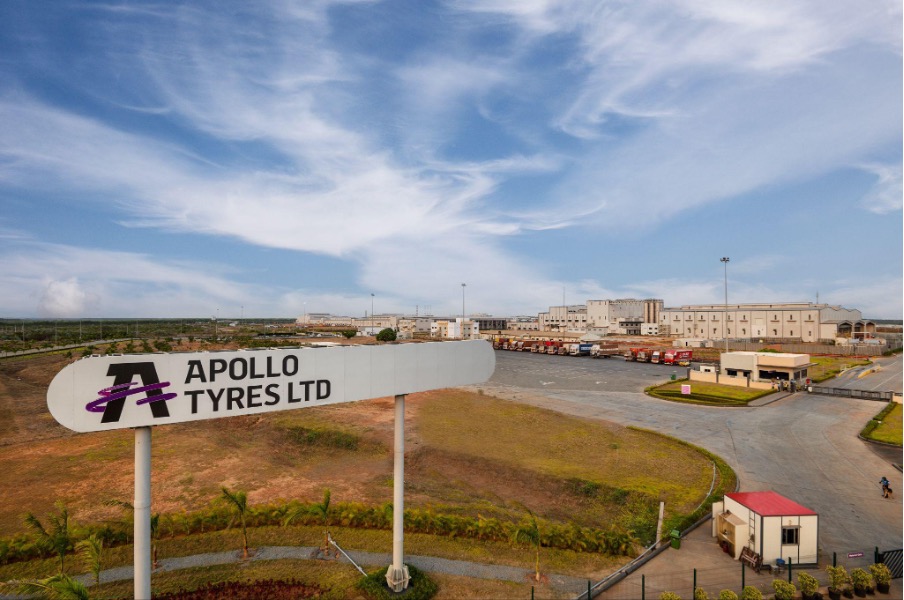
Technology stories are cleaner. They often come with a founder, a product launch or a valuation jump. Manufacturing rarely does. Its progress is built more quietly over time, on factory floors, in testing centres and across supply chains. There is rarely a single moment you can point to and say, “This is where it happened.” But that does not make the shift any less significant.
A strategic moment for the industry
At a time when the United States is rethinking supply chains and industrial resilience, that gap matters even more. There is growing recognition that where things are made, and who makes them, matters. Reliability, diversification and long-term capability are now strategic priorities.
Yet perceptions of the Indian industry have not fully caught up with that shift. Too often, it is still associated with an earlier phase of globalization, one defined by low-cost production and interchangeable capacity. That perception lingers, even as the reality moves on. The bigger opportunity is not just to source more from India, but to see Indian manufacturers as credible long-term partners to the US industry in building more resilient supply chains.
Changing that perception is not just a matter of messaging. It requires consistent demonstration. For companies like Apollo Tyres, operating in the US market means meeting expectations that leave little room for compromise. Whether serving individual consumers or large fleet operators, performance and reliability are assumed. There is no “emerging market discount” when it comes to quality, and that reality demands a different kind of discipline.
Expanding the narrative
The broader point is this: the story of South Asian success in America has become too concentrated around one sector. Recognizing that does not diminish the achievements of the technology sector. It simply places them in a wider context, one that includes the physical systems and industries that make growth possible.
If that shift is not recognized, there are practical consequences. If Indian manufacturing continues to be viewed through an older lens, the cost will not only be reputational. It will be commercial, through slower diversification, missed partnerships and delayed access to supplier bases that are already scaling in sectors the United States increasingly cares about.
Bridging that gap requires a shift on both sides. Companies need to demonstrate their credentials more visibly in markets like the US. At the same time, buyers, partners and policymakers need to update their assumptions about where advanced manufacturing capability resides.
India’s role in the United States is evolving in exactly that direction. From services to systems. From participation to partnership. From supporting functions to strategic ones. Manufacturing is a central part of that shift. It may not produce the same kind of headlines, but it is shaping outcomes in ways that are just as significant and increasingly just as global. The sooner the narrative catches up, the clearer that picture becomes.
Disclaimer: The opinions and views expressed in this article/column are those of the author(s) and do not necessarily reflect the views or positions of South Asian Herald.