Join WhatsApp Channel


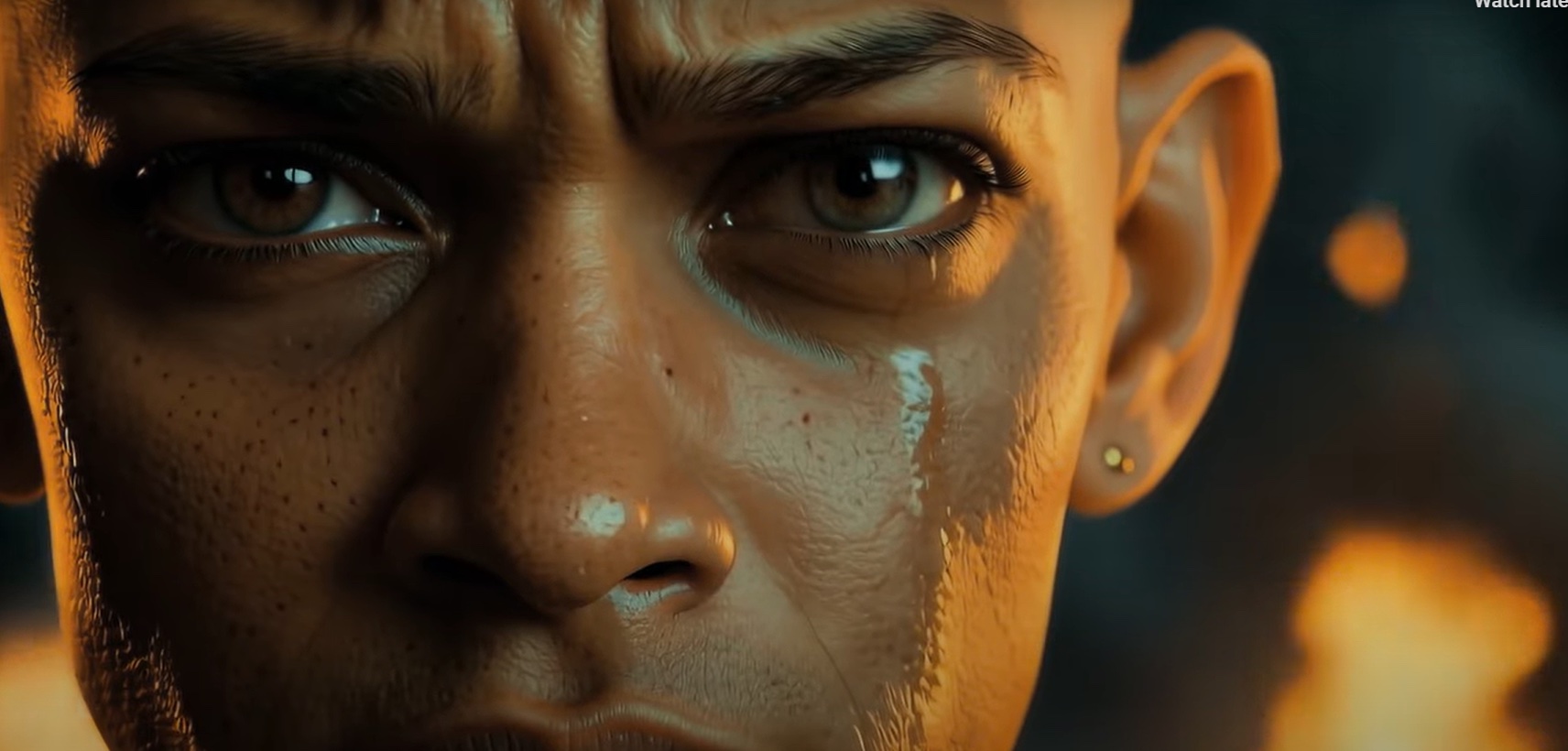
Ajay Devgn, along with nephew Danish Devgn, has stepped forward to take storytelling into a new era of technology through Lens Vault Studios (LVS), the next-generation entertainment studio founded by the duo.
Entering a new chapter of Unsung Warriors (Ajay’s Tanhaji—The Unsung Warrior was the biggest hit of 2020), LVS has officially unveiled its inaugural original property, Bal Tanhaji, a generative AI-driven narrative that signals a decisive shift in how Indian stories are imagined, expanded and consumed in the digital age.
Rooted in the legacy of the blockbuster, Tanhaji: The Unsung Warrior, Bal Tanhaji pushes the universe into unexplored narrative terrain, reimagining the franchise for a generation that engages with stories far beyond theatrical screens. The project reflects Lens Vault Studios’ core ambition: to create enduring story worlds that live across platforms, formats, and technologies.
At the heart of these visuals is Prismix Studios, Lens Vault Studios’ in-house Generative AI and creative technology engine, which powers the visual design, narrative scale, and world-building framework.
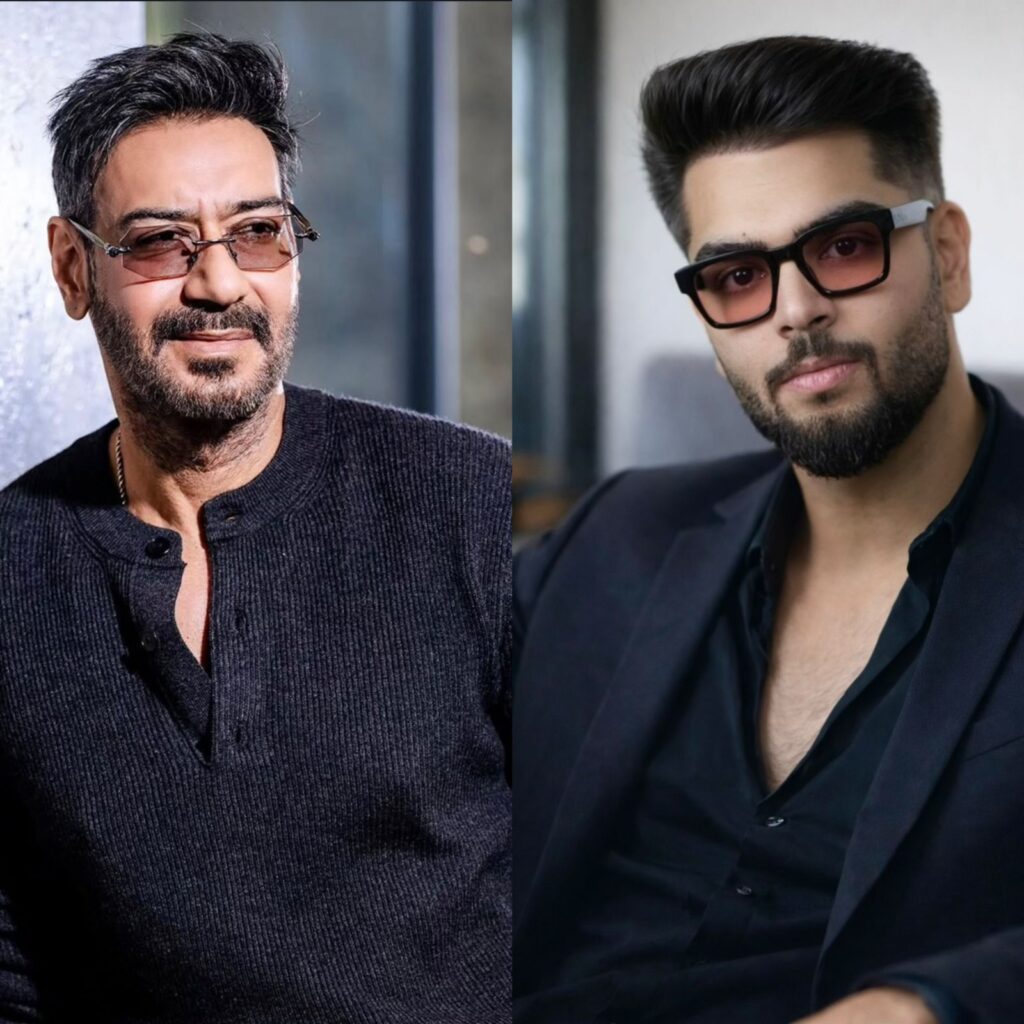
Sharing the studio’s broader vision, Ajay Devgn, Chairman, Lens Vault Studios, said, “Lens Vault Studios was created to move beyond conventional boundaries of storytelling. Our focus is on discovering formats and mediums that are still largely untapped, while applying the discipline and scale of mainstream cinema. Bal Tanhaji represents the beginning of this journey into future-ready content creation.”
Speaking about the launch of the studio’s first IP, Danish Devgn, Founder & CEO, Lens Vault Studios, added, “With Bal Tanhaji, we are redefining how legacy narratives can evolve through technology. Generative AI allows us to expand story universes in ways that were previously impossible, making them more immersive, scalable, and relevant for new-age audiences. This is the foundation on which Lens Vault Studios is being built.”
Ajay himself has been fascinated by technology at all times. For his Pyaar To Hona Hi Tha (1998), he had said, “My name is in the Limca Book of Records for doing the first Computer Graphics in India—for the title-track of Pyaar To Hona Hi Tha. I shot a part of the song with 123 layers. The machine was new, and there were no operators, so I used it myself! I did a lot of similar work later and I launched my company when I got boys who are fabulous at it.”
In October 2015, Ajay began the visual effects company, NY VFXWAALA, named after his kids Nysa and Yug. Among the prestige films it handled are Prem Ratan Dhan Payo, Bajirao Mastani, the South’s Mersal, Dilwale, Simmba and Total Dhamaal besides Ajay’s own Shivaay, for which the company won the National award.
And by a coincidence, Ajay was also one of the heroes of Khakee (2004), the first Indian film to have DI (Digital Intermediate)! Digital Intermediate Process is a part of post-production in filmmaking where raw footage (from film or digital cameras) is scanned and converted into a high-resolution digital format for comprehensive color correction, grading, and visual enhancement, ensuring a consistent, high-quality look before the final distribution.