Join WhatsApp Channel

“War has a momentum of its own… you know where you begin. You never know where you are going to end.” — George F. Kennan
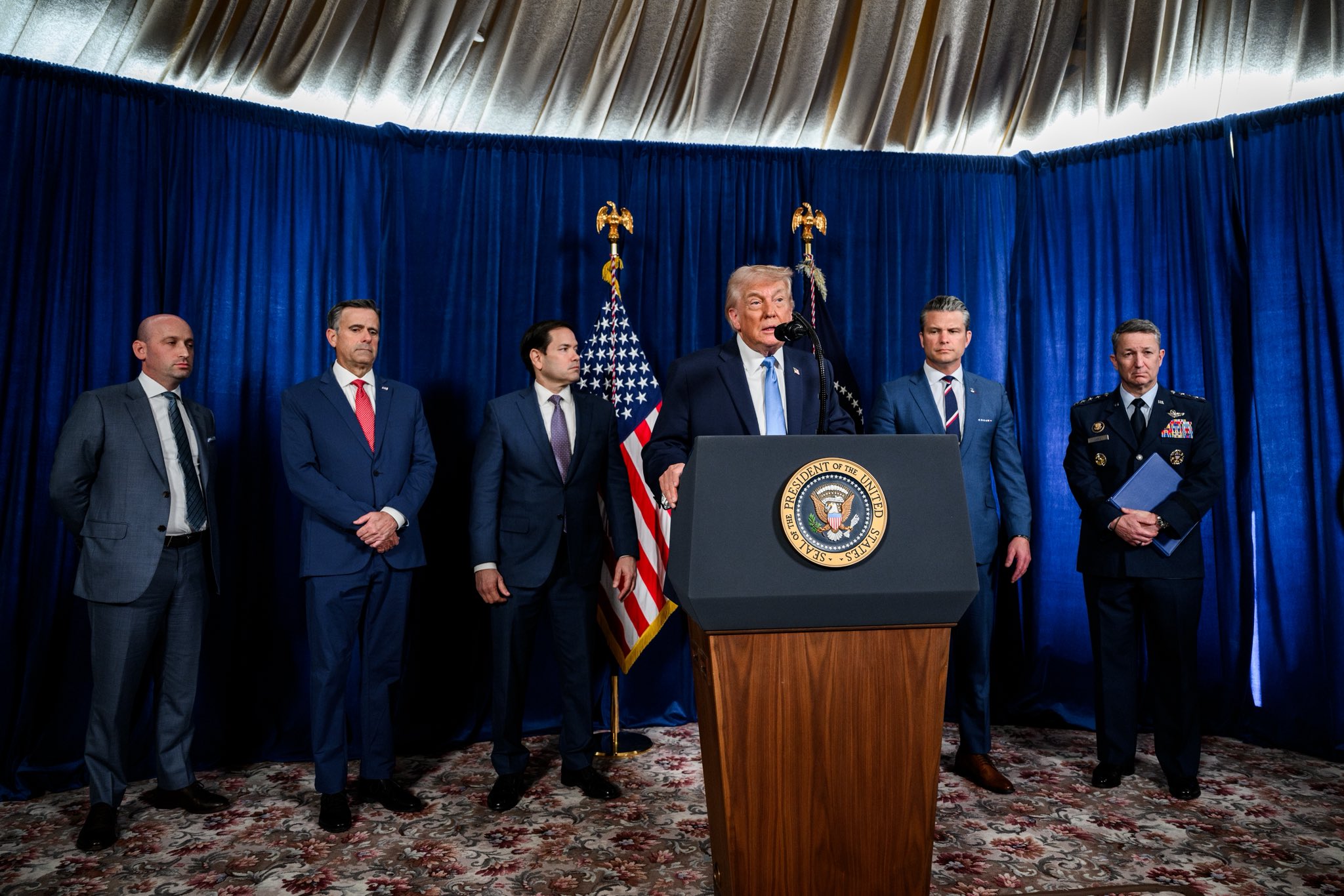
Over a city starved of certainty, helicopters rose into the humid Caracas night. Nicolás Maduro was flown out under American custody. The sound traveled farther than the aircraft, sweeping across capitals attuned to omens from next door. This was not another season of waiting’s. It was a break in pattern; a decision made in steel and speed from a windowless Washington room. The raid ended quickly. Its unleashed questions will not.
Great powers do not drift into history. They act, and then live with the consequences.
One of the first consequences is ambiguity. Brookings scholar Vanda Felbab-Brown warned that there is “stunningly little clarity as to what kind of governance lies ahead in Venezuela.” That gap is not a footnote. Seemingly, it becomes the arena where legitimacy is tested, authority is contested, and old networks either dissolve or regroup.
From the Trump administration’s perspective, the moral case was paired with a functional one. In the White House’s telling, the country had stopped behaving like a sovereign state in any meaningful sense. Sanctions did not dislodge Maduro. Negotiations produced stalemate. The opposition fractured under pressure and exile. Meanwhile, external ties grew deeper around a weakened state. Security, energy, and financial interests entangled its institutions. When that track ran out, the administration chose force.
Oil sits at the center of that calculation. Not as an abstract commodity, but as leverage. Venezuela holds some of the world’s largest proven reserves. Yet its fields and refineries lie rusting and silent, symbols of squandered wealth. For Trump, restoring oil production on U.S.-shaped terms promised several outcomes at once. This offers influence over global energy markets. It denies strategic access to rival powers and recasts a failed state as a controllable asset. Clearly, the move was not a humanitarian intervention. It was geopolitical realism, unapologetic and transactional.
Supporters of the operation call it overdue resolve. They argue that credibility is not built in communiqués; it is built in moments that demonstrate will. Venezuela, in their view, became the place where American warnings began to sound procedural, while rival influence looked increasingly normal. This was the Monroe Doctrine enforced rather than recited, a signal that the Americas are not an open arena for competing powers.
Across Latin America, the same images evoke different memories. The point is not that Maduro deserved protection. The method matters. Few welcome the precedent of a leader removed by foreign force. In much of the region, intervention is not just history. It shapes political culture and civic suspicion. Many fear that “liberation” arrives with demands that outlast the crisis. A transition that began amid concerns about airborne extraction risks, inheriting skepticism from the start. That suspicion will shape how regional capitals judge every move, from security operations to oil contracts and any interim authority.
Venezuela’s collapse spilled into its neighborhood long before the raid. Colombia, Brazil, Peru, and others have absorbed millions with little more than what they could carry, straining services and reshaping politics. Neighbors have paid for years and want no new volatility. By late 2025, around 6.9 million refugees and migrants lived across Latin America and the Caribbean, nearly 7.9 million globally.
Inside Venezuela, the hardest problem is not removing a figure at the top. It is the struggle over what replaces them. Even among those who wanted Maduro gone, the manner of his removal can weaken whatever comes next. A successor perceived as externally chosen may find it difficult to unify a society fractured by hardship and mistrust. Loyalist remnants, armed groups, and criminal economies thrive when authority is questioned and institutions are hollow. In such conditions, a vacuum does not stay empty. It fills with force, fear, and fragility.
Beyond Caracas, the narrative contest will be relentless. Russia and China are unlikely to send troops. They do not need to. A simple message can amplify that the U.S. invokes sovereignty when convenient and discards it when not. That message travels into other disputes, where the U.S. seeks trust in its restraint and shapes how nonaligned states view appeals to rules and norms.
For Washington, the balance sheet is already mixed. On one hand, the operation showed reach and resolve. On the other hand, it opened a corridor of obligations. Stabilizing a fractured country is slower than extracting its leader. Rehabilitating its energy system alone demands investment, security, and time, and each month without a settled political order allows civilian harm and strategic distraction. Even the ‘oil prize’ brings constraints. With infrastructure degraded, legal authority disputed, and commercial confidence low; the situation remains bleak until rules are settled.
The bigger risk is systemic. If intervention becomes a first rather than a last resort, the United States may gain a short-term advantage but weaken the rules that once strengthened its influence. Power untethered from restraint rarely produces durable order.
As the administration pushes for an oil revival, it will run into a reality that energy markets understand well. David Goldwyn, an Atlantic Council energy analyst, notes: “International oil companies are unlikely to make major new investments” without “greater legal and regulatory certainty.” The same uncertainty that shadows governance also shadows capital.
Venezuela stands as more than a nation in turmoil. It is a proving ground for power and precedent in the Western Hemisphere. Where oil meets the Orinoco sky, the raid is over, but the reckoning has only started.
Disclaimer: The opinions and views expressed in this article/column are those of the author(s) and do not necessarily reflect the views or positions of South Asian Herald.