 Join WhatsApp Channel


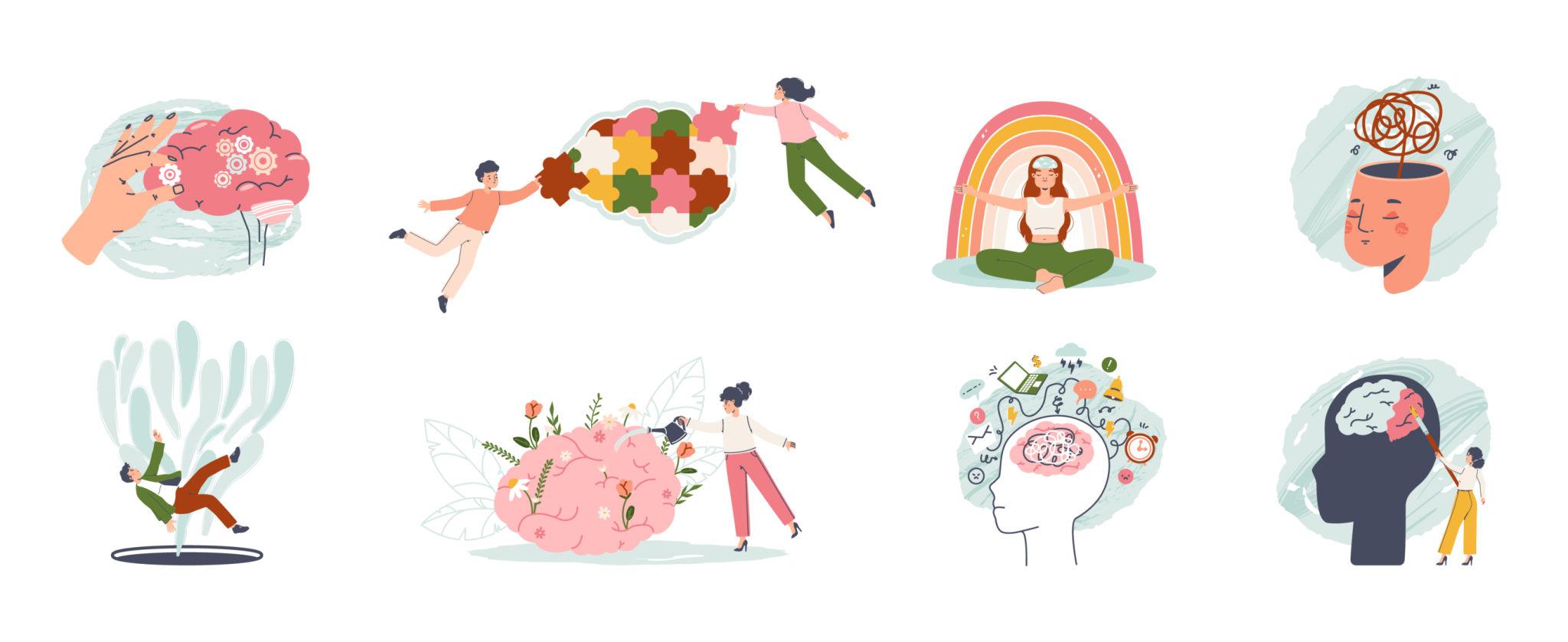
Since childhood, we’ve been taught that the words mind and brain are synonyms. Even in daily conversations, you may find yourself using them interchangeably. However, as research suggests, the relationship between the mind and brain is far more complex.
Since 1596, the mind-brain problem has been a recurring discussion that asks whether the mind and brain are the same structure or two different ones. This question is important, as it leaves gaps in our understanding of consciousness, shapes the study and treatment of mental disorders, and questions our physical behaviors.
To explain this divide, philosophers have developed differing theories. As stated by the Stanford Encyclopedia of Philosophy, the theory of physicalism argues that the mind is not separate from the body but is instead a product of brain activity. Supporting this, Marco Massi describes how dopamine, drugs, and anesthesia alter an individual’s consciousness. This suggests that the mind and brain are one entity, as if the mind were not a physical system, it could not be altered by chemical substances. Additionally, brain imaging reveals that “for every conscious experience, there exists a neural correlate in our brains.”
These findings show that every thought can be traced to a neural process, emphasizing that the mind and brain work together and impact each other. The opposing theory of dualism explains that the mind cannot be reduced to a physical structure. The Internet Encyclopedia of Psychology explains that dualism is based on indivisibility, which describes that the body can be separated or changed, but the mind, including our thoughts and feelings, cannot.
For example, if an arm were amputated, no memories or thoughts would be removed from the mind. Unlike physicalism, this suggests that the processes of the mind exist independently of the brain, as they are not impacted by the neural structures that connect the brain and body.
While these theories explain the mind-brain problem, the real question is how it applies to everyday life. For teens, this topic shapes the navigation of emotions, identity, and mental experiences. According to the National Institute of Mental Health, the brain undergoes rapid development during the teen years, which impacts mood, behavior, and self-perception. The mind-brain problem helps teens make sense of their feelings, as it questions how physical changes in the brain affect experiences in the mind.
This idea affects South Asian teens specifically, as rapid brain development, along with academic pressure, influences how they respond to stress. According to an article by FirstPost, this issue has given rise to Popcorn Brain Syndrome, which stems from the struggle of balancing digital and academic life. This can overwhelm the brain and lead to a lack of focus, burnout, and scattered thoughts.
While the mind-brain problem is complex, research from WashU Medicine and the Johns Hopkins OneNeuro Initiative is actively working to understand this connection in order to treat brain disorders. Until we have clearer answers, however, the next time you find yourself using the words mind and brain together, remember that it is not that simple.
Disclaimer: The opinions and views expressed in this article/column are those of the author(s) and do not necessarily reflect the views or positions of South Asian Herald.
Related posts:
 Raising Teens Across Cultures: Finding Balance Without Losing Yourself
 Silent Classrooms, Loud Cries: The Legal Vacuum in India’s Student Mental Health System
 A new study reveals teenagers are developing strategies to curb their social media usage
 A South Asian Perspective: It is Time to Prioritize Mental Health in the Workplace
