Join WhatsApp Channel


The National Foundation for Infectious Diseases (NFID) is warning that “vaccination rates are declining, and misconceptions persist,” even as respiratory illnesses rise during the busy holiday season.
At a December 3, 2025, news briefing, experts unveiled new survey data showing substantial gaps in vaccine uptake and trust among US adults. The findings underscore an urgent need for clear, accurate guidance to boost immunization for influenza, COVID-19, respiratory syncytial virus (RSV), and pneumococcal disease, according to a statement from NFID.
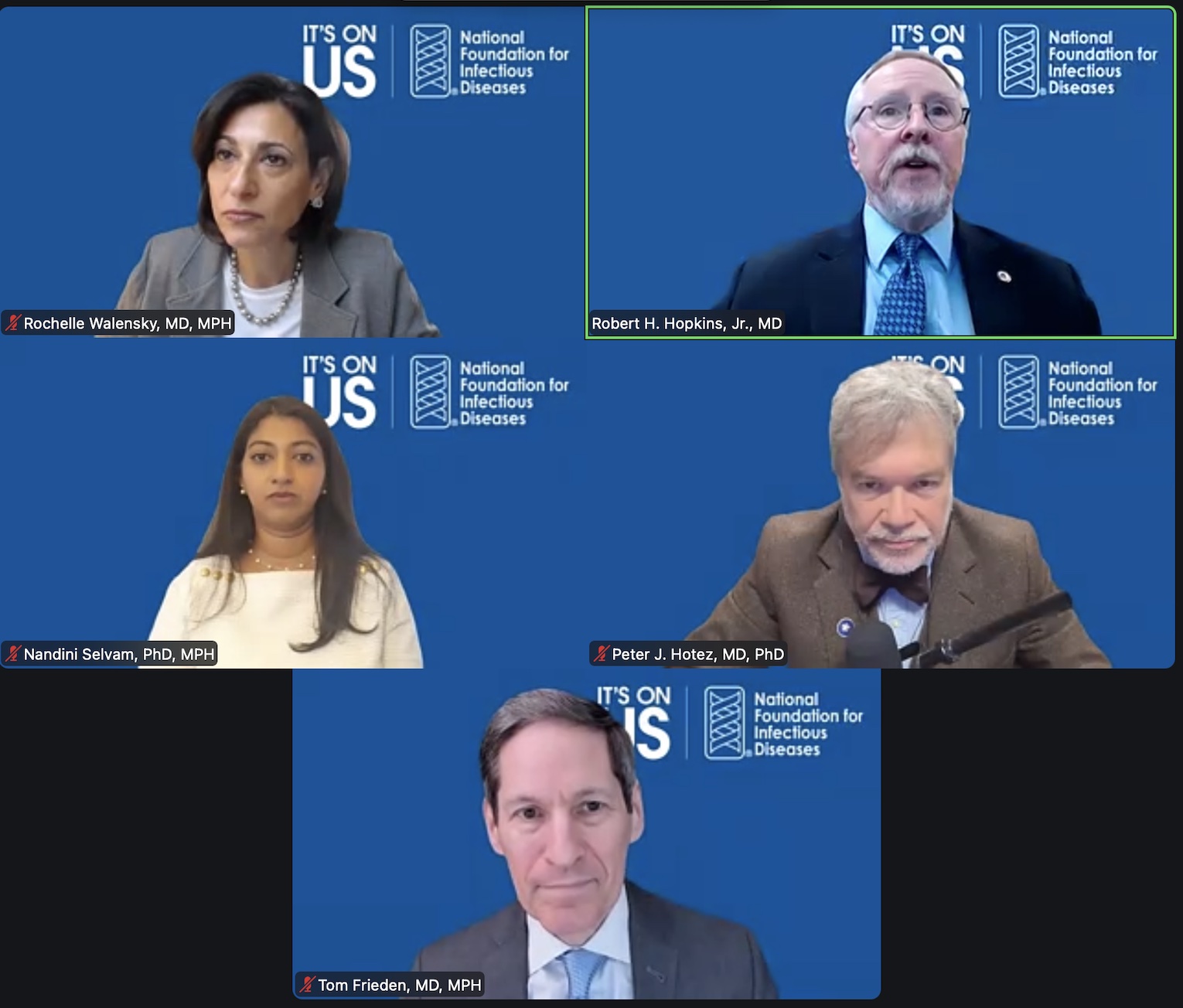
The briefing was moderated by Robert H. Hopkins, Jr., MD, NFID medical director. Panelists included Rochelle Walensky, MD, MPH, former CDC director and professor at Harvard Medical School; Peter J. Hotez, MD, PhD., dean of the National School of Tropical Medicine at Baylor College of Medicine; and Tom Frieden, MD, MPH, former CDC director and founder and CEO of Resolve to Save Lives.
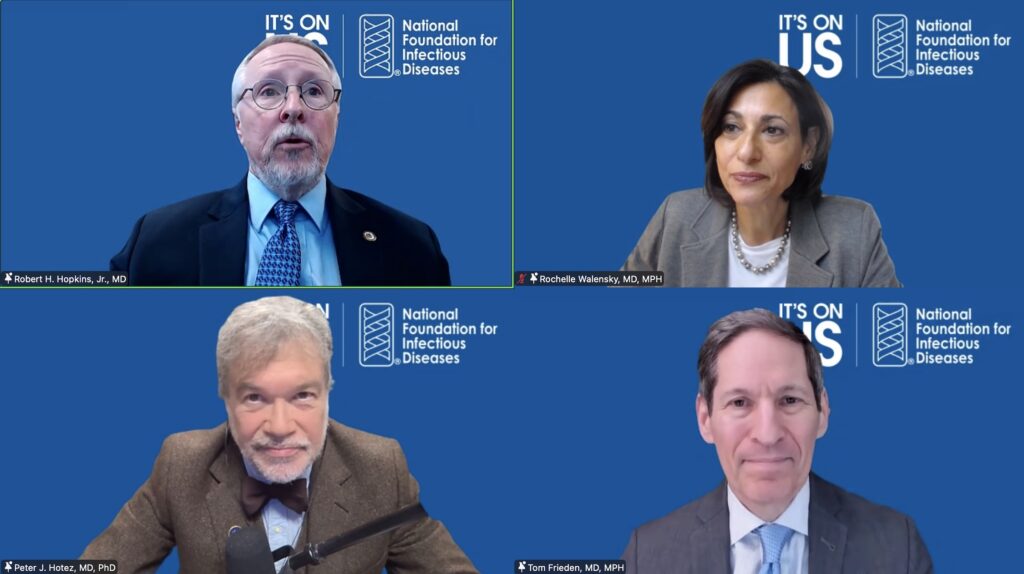
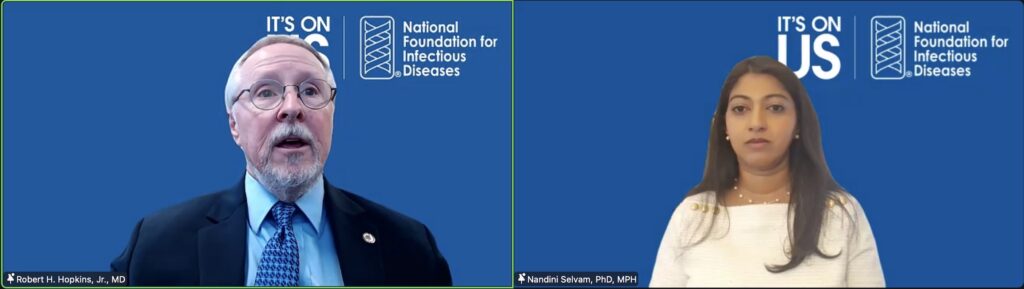
Nandini Selvam, PhD., MPH, President of Government Solutions at IQVIA, spoke about recent immunization trends, while a patient spotlight video featured Dan McFadden, an “immunocompromised individual who survived life-threatening pneumonia, about the importance of vaccination for people with chronic health conditions.”
Survey Highlights Misinformation and Missed Recommendations
According to NFID’s survey, safety concerns remain a significant barrier. Among adults who have not received a flu vaccine this respiratory season, 16 percent cited worries about side effects and 13 percent said they “never get sick.”
Similar concerns emerged for COVID-19. Twenty percent of unvaccinated adults expressed worry about side effects, while 12 percent said no healthcare professional had recommended vaccination. For both flu and COVID-19, 12 percent said vaccines don’t work very well and another 12 percent said they were worried about getting sick from the vaccine.
“These misunderstandings about vaccine safety and effectiveness come at a time when flu, RSV, and COVID-19 continue to cause tens of thousands of hospitalizations and deaths in the US every year, often among those who are unvaccinated, older adults, and people with chronic health conditions,” the survey noted.
Experts at the briefing stressed that vaccines remain the most effective way to prevent severe illness and death, even among young and otherwise healthy individuals.
“Given how serious these diseases can be and how effective vaccines are at protecting against the worst outcomes, it’s disappointing to see misconceptions persist,” said Dr. Hopkins said in the statement. “I am confident enough in these vaccines that I have been vaccinated, as have all my family members. I encourage others to be immunized so they have the same protection I give to my family and to my patients.”
Vaccination Rates Declining Across All Age Groups
Recent IQVIA data reflect the downward trend. Retail pharmacy vaccination rates have fallen since 2024, with a 27 percent decrease in COVID-19 vaccinations, a 6 percent drop in flu vaccinations, and a 34 percent decline in RSV vaccinations.
The NFID survey also found generational differences in trusted information sources. While 44 percent of US adults most trust their doctor, nurse, or pharmacist for respiratory vaccine information, Gen Z (ages 18–28) ranked social media as their second-most trusted source. Experts warned that this trend poses significant risks given the prevalence of online misinformation.
“Access to up-to-date and fact-based information around vaccines is one of the keys to bridging the gap between scientific knowledge and life-saving action,” pointed out Dr. Frieden in the statement.
“We must remain rooted in science, which proves vaccines are the most effective tool to protect against COVID-19, RSV, influenza, and pneumococcal disease,” added Dr. Hotez in the statement.
Clearer Guidance Needed for 2025–2026 Respiratory Season
Despite broad availability of vaccines, nearly half of US adults (44 percent) said current guidance on which respiratory vaccines to receive remains unclear. NFID urged the public to follow evidence-based recommendations for the 2025–2026 season:
- Annual flu vaccination for everyone age 6 months and older
- COVID-19 vaccination for high-risk groups and anyone age 6 months and older who chooses to be vaccinated
- RSV vaccination for pregnant women and RSV immunization for infants whose mothers were not vaccinated during pregnancy; RSV vaccination for adults age 50–74 with certain high risk health conditions and all adults age 75 and older
- Pneumococcal vaccination for children under age 5, all adults age 50 and older, and those with specified chronic conditions in other age groups
“Vaccines save lives, yet trust and vaccination rates are declining year-over-year,” said Dr. Walensky shared in the statement. “Progress happens when we take the time to understand how communities are thinking about vaccines and to provide them with the information they need to make healthy choices for them and their families. With genuine compassion and clear information, healthy practices become something people choose, not something imposed.”

Political Divide in Vaccine Uptake
Survey results also show notable differences by political affiliation. Democrats (34 percent) were more likely than Republicans (20 percent) or Independents (19 percent) to have received an updated COVID-19 vaccine. Democrats (41 percent) and Republicans (35 percent) were more likely than Independents (22 percent) to have received a flu vaccine.
“The politicization of vaccination hurts everyone, because the viruses don’t care who you voted for,” said Dr. Hopkins.
More information about the NFID survey and related resources is available at www.nfid.org/2025FluNews to help patients and healthcare professionals navigate the respiratory season.