Join WhatsApp Channel

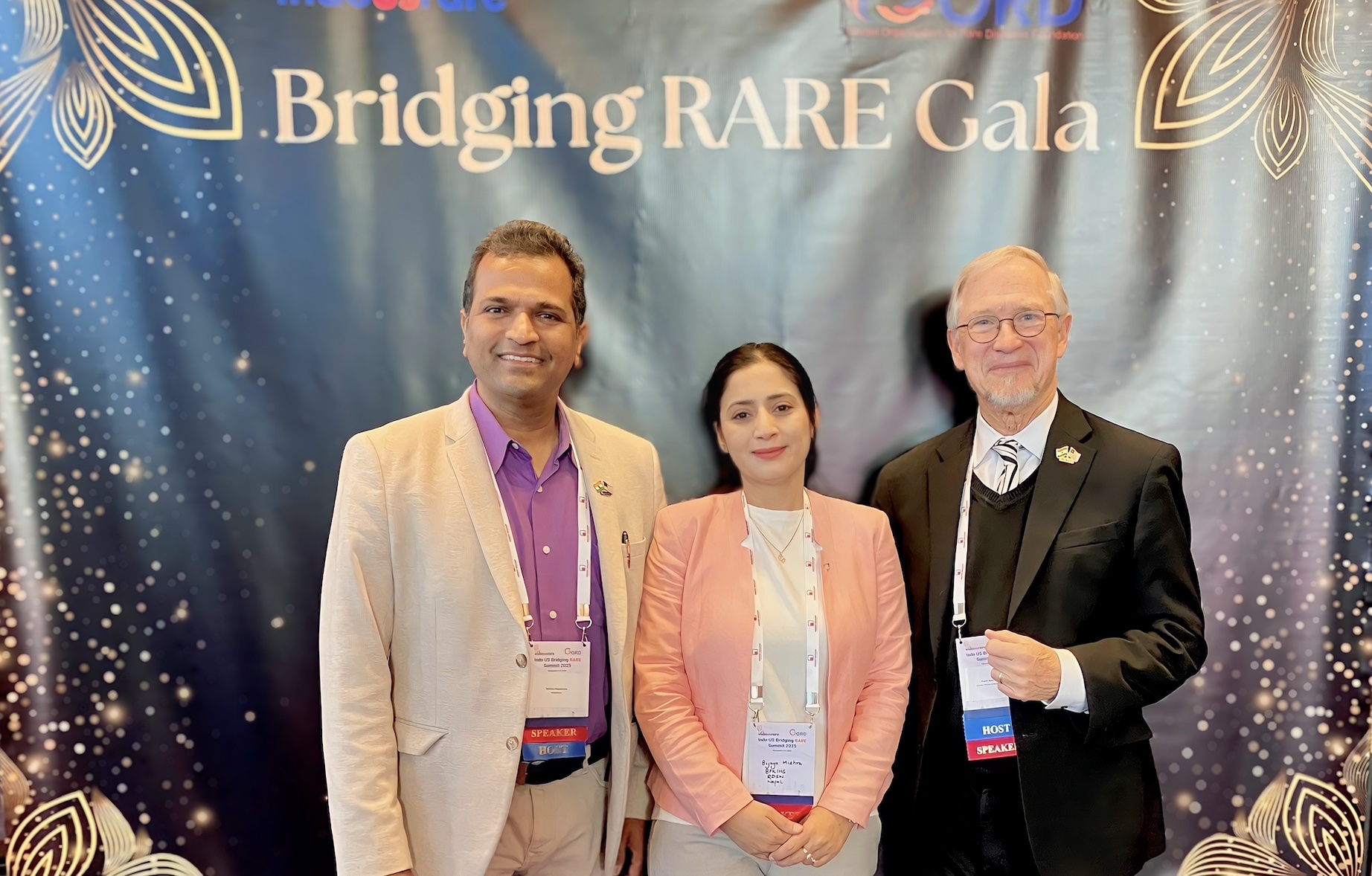
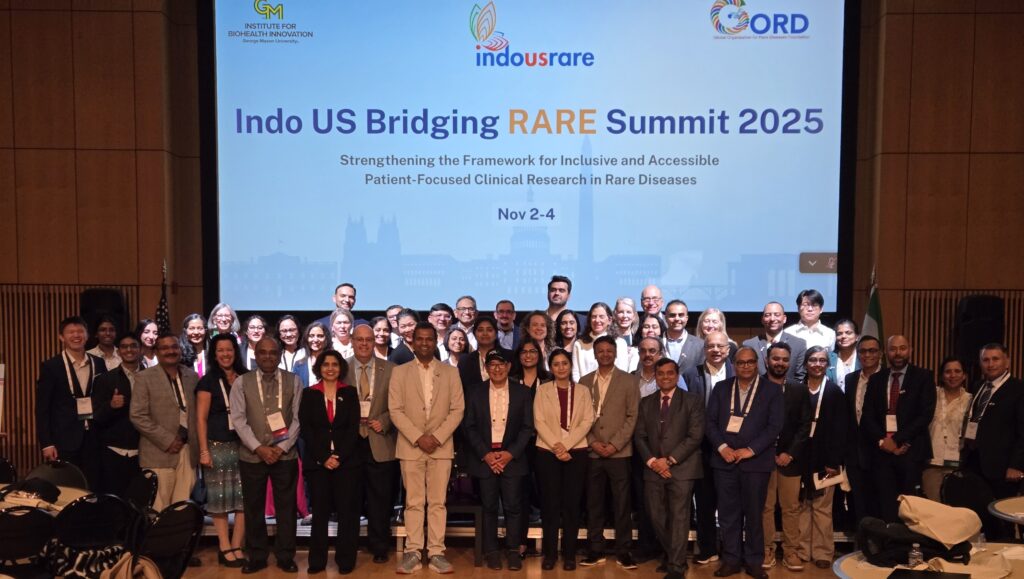
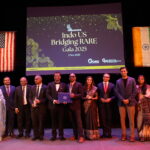
I had the privilege of participating in the IndoUS Bridging RARE Summit 2025, hosted at the Hylton Art Performance Center at George Mason University, Virginia, USA, from November 2–4, 2025. More than an international conference, the Summit, for me, was a transformative and inspiring learning experience that deepened my understanding of rare disease patient care and advocacy, and unfolded potential for global collaboration.
In Nepal, patients living with rare diseases are often undiagnosed, misdiagnosed, or ignored – not because of a lack of compassion, but due to limited awareness, insufficient diagnostic facilities, lack of national rare disease registries, and lack of policy regulations. With the context I belong to, the Summit, where rare diseases and patient care were the central theme and priority – felt both heart-touching and deeply inspiring.
The overall Summit felt like a rare celebration, bringing together patients, caregivers, clinicians, researchers, policymakers, regulators, and industry representatives from the United States, India, and across the globe.
The IndoUS Bridging RARE Summit aimed to bridge gaps across borders, countries, and disciplines to improve outcomes for people living with rare diseases. It comprised various Keynote Addresses, Patient Lived Experiences, the Abbey Meyers Khushi Bridging RARE Award Ceremony, Working Group Discussions, and multiple sessions.
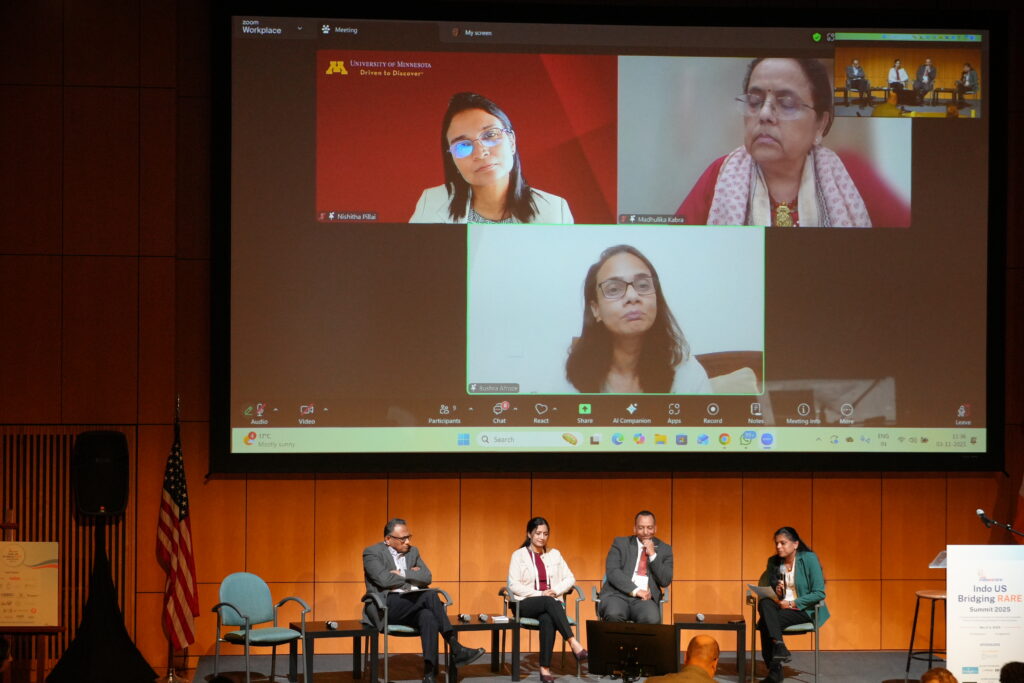
The discussions revolved around early diagnosis, newborn screening, patient registries, clinical trials, access to orphan drugs for rare diseases, ethical research, and patient-centered care models. For me, coming from Nepal, where most of these systems for rare disease patient care are absent or in an immature phase of development, the discussions and learnings were enriching and eye-opening. From the sessions and discussions, it was clear that rare diseases are not just a medical issue but a public health problem, with many social and policy challenges.
The most powerful experience of the Summit for me was witnessing the central role of patients and caregivers, as they shared stories of years spent searching for diagnoses, navigating complex healthcare systems, and advocating tirelessly for conditions affecting themselves, their children, or family members. Their stories felt deeply familiar, echoing the experiences of many Nepalese families who often travel long distances, consult multiple doctors and hospitals, and bear significant financial and emotional burdens without receiving clear answers. As a Board Member of Rare Diseases Society Nepal, I felt a strong sense of urgency and motivation to act and do something for rare disease patients in Nepal.
To see and hear stories from Rare Dads and Rare Moms, and their transformation into Rare Heroes, was truly heart-touching and deeply inspiring. It was a powerful reminder that we all have the potential to transform our pain into power, and that we are all capable of healing and contributing to society.
The Summit also honored distinguished leaders and experts from both India and the United States with the Abbey Meyers Khushi Bridging RARE Awards for their immense contributions to the rare disease field. It was a motivating and rewarding experience to hear them speak about their work. The journeys shared by the awardees demonstrated that sustainable progress is possible when there is commitment, leadership, and long-term vision, even in low-resource settings.
I was fortunate to speak and share the status of Newborn Screening (NBS) in Nepal as a panelist. This session was especially meaningful for me as a biochemist, a passionate NBS advocate, and a professional involved in NBS initiatives in Nepal. Many rare diseases are treatable if detected early, yet life-threatening and devastating if diagnosed late. In Nepal, NBS is still not universally available, and it is painful to know that many newborns succumb to these treatable diseases in the absence of early diagnosis and effective management systems.
For Nepal, India’s progress in newborn screening, genetic diagnostics, and policy advocacy in rare diseases offers relevant lessons. The inspiration and motivation from the panel discussion on newborn screening and diagnosis strengthened my resolve to continue advocating for newborn screening programs and policy support within Nepal.
There was also an emphasis on equitable innovation. While advanced therapies were discussed, there was a strong focus on affordability, accessibility, sustainability, and on bridging gaps by involving more patients from underserved populations in clinical trials that are currently accessible mostly to patients from more developed parts of the world.
For Nepal, where cutting-edge therapies may not be immediately feasible, my understanding from the Summit was that innovation does not always mean expensive technology – it can also mean simple diagnostics, better referral systems, trained healthcare workers, and informed communities. As an informed healthcare professional and rare disease society member, the Summit further reinforced my commitment to strengthening these domains in Nepal.
Beyond the sessions, the Summit provided invaluable networking opportunities. Along with this, the warmth and love received from the IndoUS RARE team were truly overwhelming and heart-touching. As I returned home, along with the gift of friendship, I carried with me greater clarity, motivation, and responsibility for the rare disease community of Nepal as an informed healthcare professional. The IndoUS Bridging RARE Summit reaffirmed my belief that while Nepal’s rare disease journey is still at an early stage, progress is possible.
The Summit, in its true sense, was a powerful reminder that rare diseases may be individually rare, but the challenges faced by patients and families are universal. If we choose to learn, adapt, and collaborate, we can move from silence to action, from invisibility to recognition, and from despair to hope for individuals and families living with rare diseases.
Through the IndoUS Bridging RARE Summit 2025, the bridge was built and the gap was filled. Now, it is our responsibility to walk across this bridge to reach the underserved, the unheard, and the unseen rare lives.
Disclaimer: The opinions and views expressed in this article/column are those of the author(s) and do not necessarily reflect the views or positions of South Asian Herald.
Related posts:
 ‘There are Plenty of Problems Begging to be Solved in Rare Diseases’
 Congressman Suhas Subramanyam Pledges to Champion Rare Disease Community at 2025 Indo-US Bridging RARE Summit
 IndoUSrare and George Mason University Host Global Summit Advancing Rare-Disease Research and Collaboration
 IndoUSrare Names GenoPhe Biotech and IUVA Labs Winners of Pitch4RARE 2025 Startup Competition