Join WhatsApp Channel


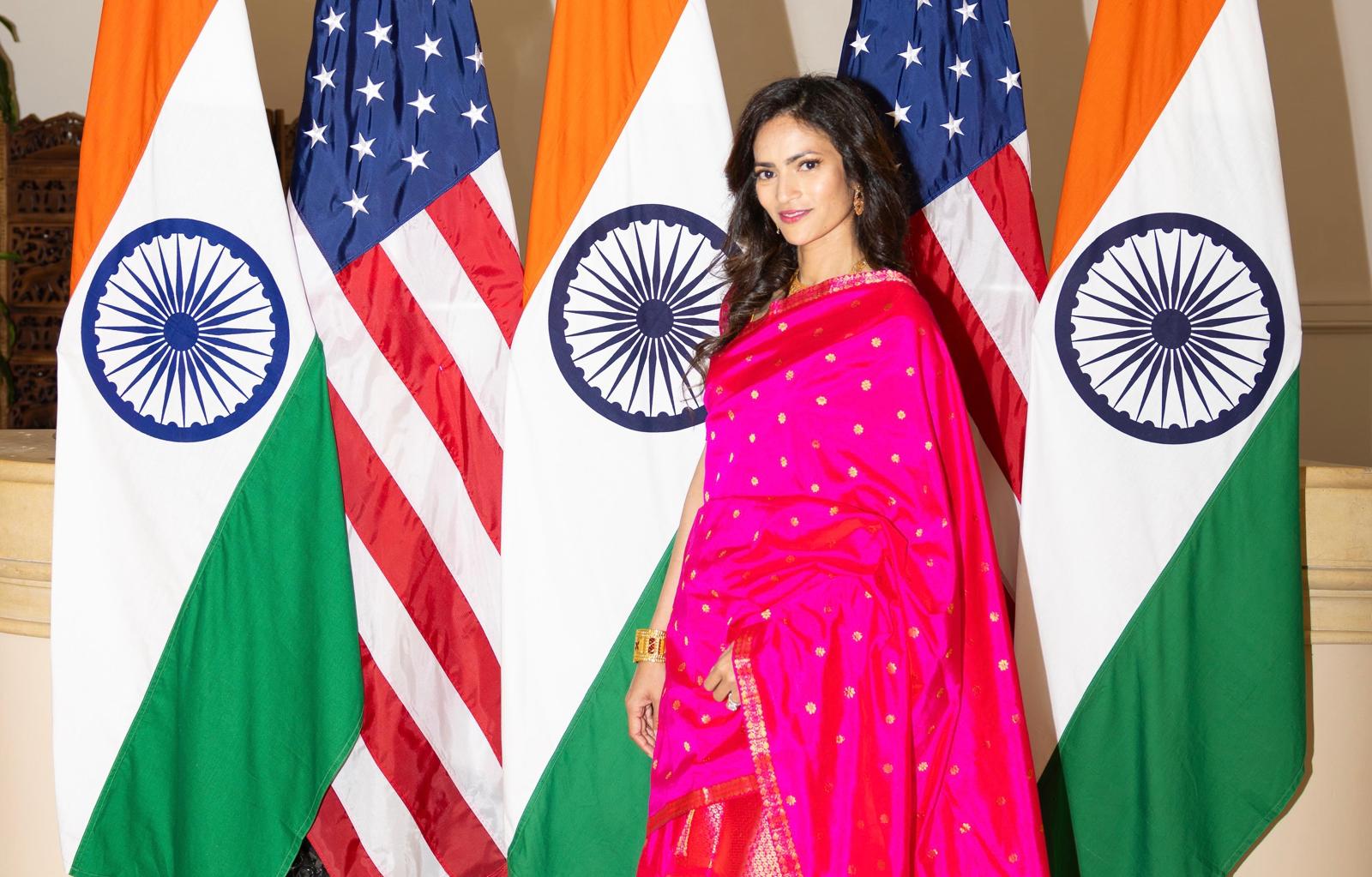
In this exclusive interview with South Asian Herald, Uma Global President, Rita Kakati-Shah shares insights into Saree Goes Global 2025, the international movement celebrating the saree as a symbol of heritage, identity, and empowerment.
Kakati-Shah discusses the initiative’s expansion to the United States, her multicultural professional journey, Uma Global’s mission, and her continued efforts to uplift women, entrepreneurs, and diaspora communities through leadership, cultural diplomacy, and community engagement.
The 2025 edition of Saree Goes Global was recently held at Times Square in partnership with Uma Global and the Consulate General of India in New York. Can you explain what this event is all about?
Saree Goes Global is an international cultural movement that celebrates the elegance, craftsmanship, and timeless heritage of the saree while promoting cross-cultural dialogue and women’s empowerment. The 2025 edition in Times Square served as a vibrant showcase of women empowerment, global fashion diversity, and community unity.
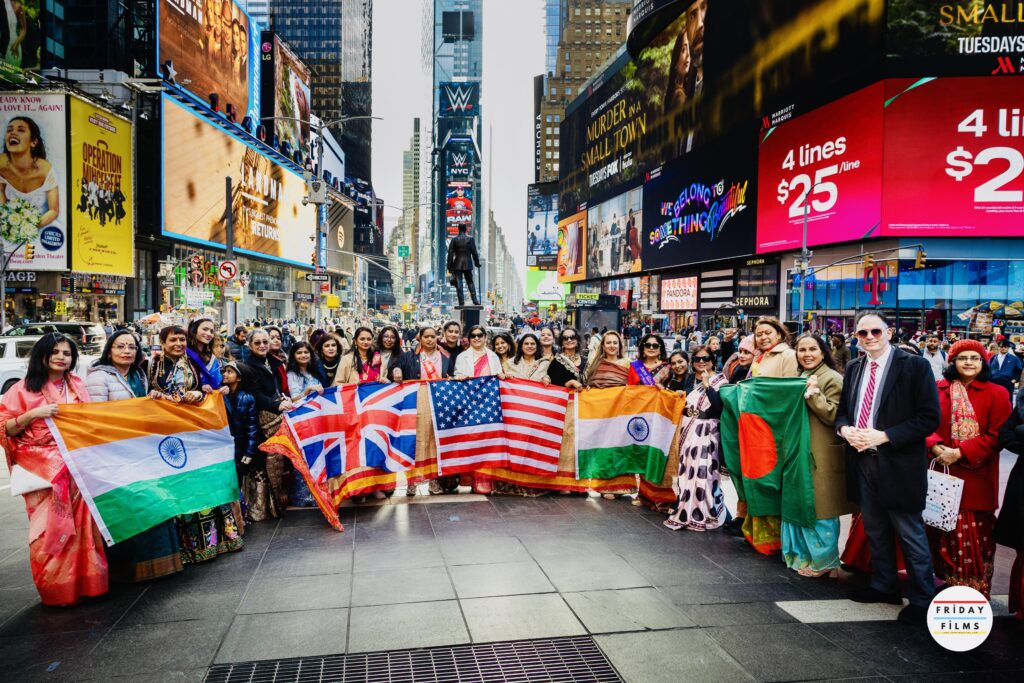
The event brought together women from diverse backgrounds wearing sarees in their own unique styles, demonstrating that the saree is not just a garment but a symbol of identity, resilience, and cultural pride. Through cultural performances, storytelling, and a multigenerational runway, our goal was to highlight both tradition and modernity, reminding the world of the saree’s capacity to transcend borders and generations.
This international cultural initiative originated with the British Women in Sarees movement in the UK before expanding to the United States. How did Uma Global become involved in bringing this initiative here?
British Women in Sarees gained tremendous momentum in the UK as well as other cities for its celebration of heritage and inclusivity. Recognizing its potential to resonate with diaspora communities globally, initially a close family friend, Dr. Bithika Saikia, had mentioned the movement due to my ongoing work in cross-cultural leadership and community empowerment. She then connected me with founder Dr. Dipti Jain, who I immediately bonded with, and the rest is history, as they say.
In 2024, Uma Global partnered with the Indian Consulate in New York and British Women in Sarees to introduce Saree Goes Global to the United States for the first time, bringing together diplomats, community leaders, artists, and the broader public. The success of that inaugural event paved the way for the 2025 edition, led once again by Uma Global in partnership with the Consulate. We have a Saree Goes Global Host Committee in the US, and our role has been to bring strategic direction, community mobilization, and a deeper leadership and empowerment framework to the initiative, ensuring that it remains inclusive, impactful, and globally connected.
Can you share a bit about your personal and professional background?
I am of Assamese heritage from the silk-weaving village of Sualkuchi and was born and brought up in London, where my formative years at the then Forest Girls’ School and later King’s College London played a big role in my leadership values. Pivoting from medicine, I embarked on a career in finance and consulting, working at Goldman Sachs and later in the pharmaceutical industry.
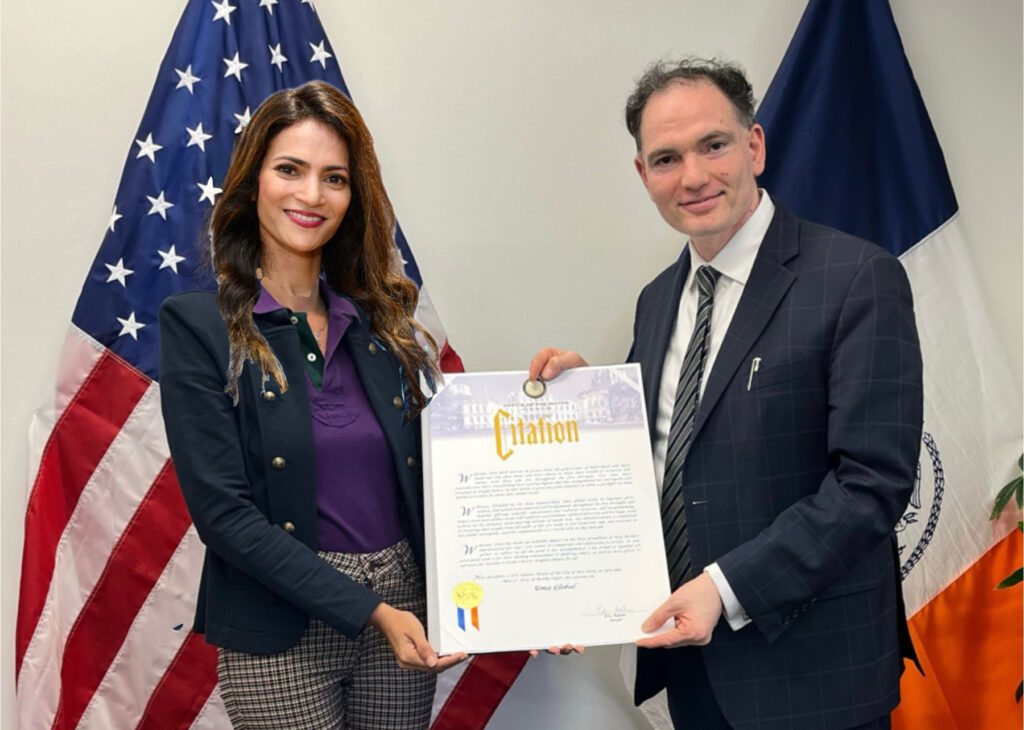
My professional journey eventually led me to New York, where I founded Uma, a strategic consultancy focused on empowering women and minorities. I also helm the philanthropic venture Uma Global, dedicated to advancing gender equality, confidence building, and leadership development across cultures. Along the way, I have written and co-authored papers and books, including “The Goddess of Go-Getting: Your Guide to Confidence, Leadership and Workplace Success” and the bilingual children’s book “Time Travel to Assam.” I also remain closely connected to my cultural roots through Indian classical and folk dance, including Bharata Natyam, Sattriya, and Bihu.
My identity is shaped by three worlds, Assamese, British, and American, which together inform my mission to empower individuals and communities through education, heritage, and leadership.
As the President of Uma Global, can you provide insights into your organization’s mission, work, and long-term vision?
Uma Global is a philanthropic venture dedicated to empowering women, youth, and underrepresented communities through leadership development, confidence coaching, career advancement, and cultural diplomacy. Our mission is to cultivate global leaders who are empathetic, resilient, and equipped to thrive in diverse environments.
Our work spans three pillars:
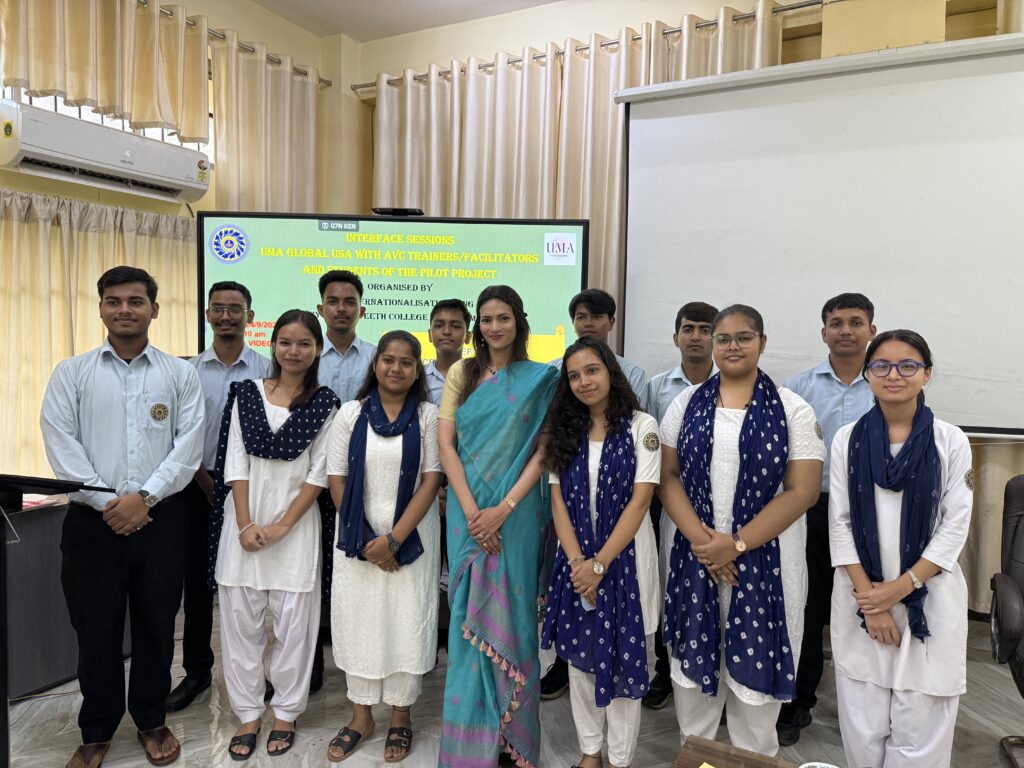
- Education and Leadership Development: Through mentoring programs, executive coaching, and academic partnerships, including projects in Assam and universities worldwide, we equip students and professionals with leadership skills aligned with real-world needs.
- Cultural Diplomacy and Community Engagement: We collaborate with government entities, consulates, and international organizations to promote cultural understanding and social cohesion through the work that we do.
- Entrepreneurship and Economic Empowerment: We provide mentorship, strategic guidance, and business development support for women-owned startups and small businesses.
Long-term, our vision is to expand our global leadership network, strengthen ties across regions, and foster a generation of leaders who are confident, culturally grounded, and socially conscious.
Can you discuss your role as a mentor for entrepreneurs and small businesses across New York and California?
Mentoring entrepreneurs is one of the most fulfilling parts of my work. Through partnerships with state-funded Small Business Development Centers and women’s entrepreneurship programs, I support founders in refining their business models, strengthening investor pitches, navigating regulatory landscapes, and building brand identity.
Much of my focus is on empowering women, immigrant entrepreneurs, and first-time founders, individuals who often have brilliant ideas but limited access to networks or resources. I take a holistic approach that blends confidence building with practical strategy. Whether it is a tech startup in Silicon Valley or a family-run business in Queens, I work with founders to identify their unique strengths and develop sustainable pathways for growth.
You also hosted the South Asian television program “The Uma Show” on Mana TV International. Are there any memorable episodes or stories that might interest our readers?
The Uma Show gave me the opportunity to spotlight inspiring women from across the South Asian diaspora, such as entrepreneurs, artists, diplomats, educators, and community champions.
One memorable episode featured a young first-generation entrepreneur who transformed her grandmother’s traditional recipes into a thriving food startup. Another highlighted a former Olympic swimmer whose experiences led her to spearhead sports and mental health awareness in youth sports. Their courage, honesty, and innovation demonstrated how leadership can emerge from any age or background.
For many viewers, the show became a bridge between cultures, a place where stories of resilience, identity, and ambition could be shared openly and celebrated.
You are involved in several major community events, including Diwali at Times Square, New York Fashion Week, and The British Bash. Could you tell us more about your contributions to these events?
Each of these events reflects a different dimension of community engagement and cultural diplomacy.
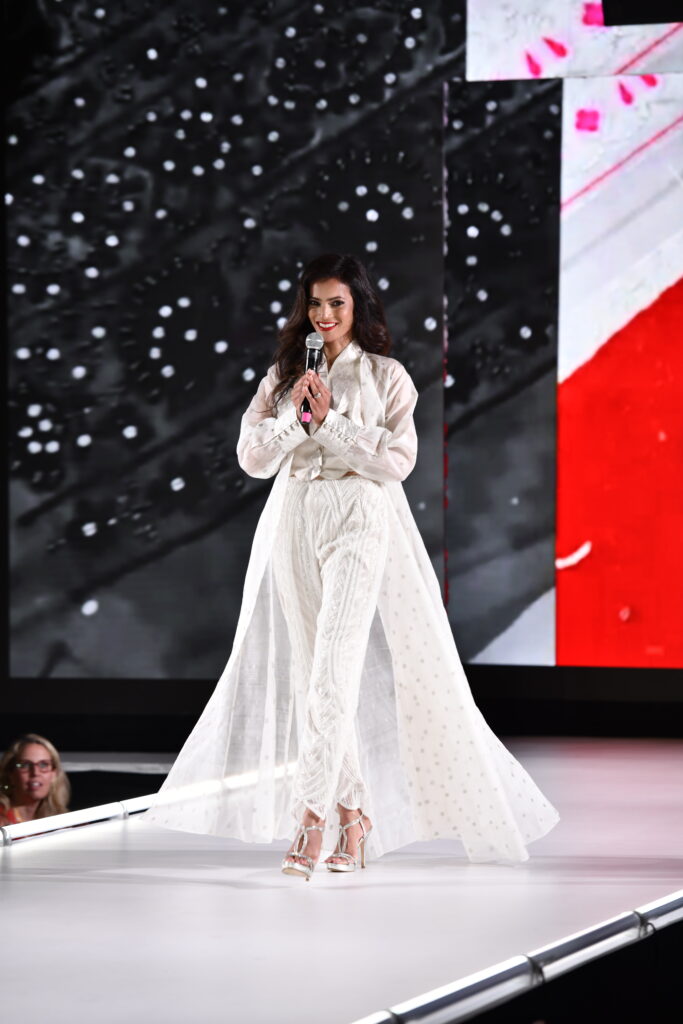
Diwali at Times Square: I am a big fan of founder Nita Bhasin’s work. Now, in its 10th year, I have had the honor of hosting press briefings at the Indian Consulate in New York, as well as co-hosting the gala and awards dinner, helping showcase the festival’s spirit of light, hope, and togetherness on a global stage.
New York Fashion Week: Whether through advisory roles or community partnerships, my focus is on elevating diverse talent and ensuring that South Asian heritage has a strong presence in mainstream fashion narratives. I had the pleasure of opening the shows for two very talented South Asian designers, Savita Gilbert, Creative Director for Inner Be Leaf, and Tara Bhuyan, Creative Director for Tara Bhuyan Couture.
The British Bash: Celebrating UK–US cultural and philanthropic ties, this event allows me to bring my British roots into New York’s multicultural landscape. As a Board Member and Treasurer of the St. George’s Society of NY, it is great to get involved in programming, outreach, and fostering collaborations that highlight British-American-Commonwealth identity, diaspora unity, and cultural fusion.
Across all these platforms, my approach remains consistent: create spaces where tradition meets innovation and where communities feel seen, celebrated, and connected.
Related posts:
 Fashion Exhibit of International of Museum of Sarees Concludes
 A Force More Powerful: A New Book on The Rise of the Global Women’s Funding Movement
 Indian Cultural Association Hosts Saree Walk to Celebrate Heritage and Raise Awareness on Hunger
 International Women’s Day 2025: Leading Experts on Maximizing Women’s Health and Rights