Join WhatsApp Channel


An apparent diplomatic thaw between Canada and India has been overshadowed by controversy in Ottawa following remarks by a senior federal official suggesting that alleged Indian foreign interference in Canada has ceased.
The comments were made on the eve of Prime Minister Mark Carney’s first official visit to India. Briefing reporters on condition of anonymity, the official said the Canadian government believes that Indian foreign interference is no longer ongoing.
“I think we could say we’re confident that that activity is not continuing,” the official said. “If we believed that the government of India was actively interfering in the Canadian democratic process, we probably would not be taking this trip.”
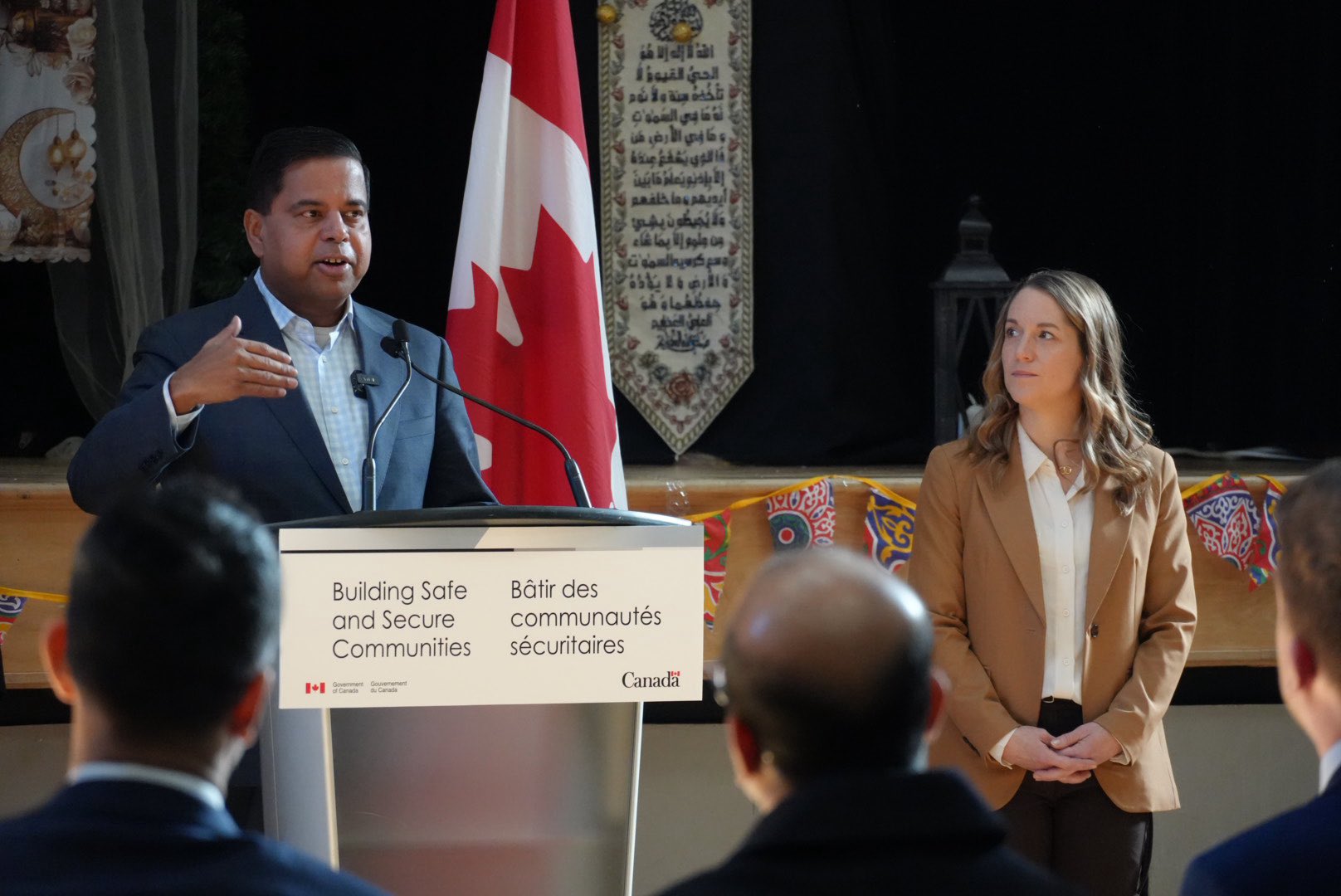
However, within 24 hours, Public Safety Minister Gary Anandasangaree offered a more cautious assessment, prompting political debate in Ottawa.
“There are certainly issues around safety and security of Canadians that we continue to engage in,” Anandasangaree said after an event near Parliament Hill on Thursday morning. He added, “What I’m suggesting is that there’s still a lot more work to do, and we will do that work.”
Anandasangaree, whose portfolio includes oversight of the Royal Canadian Mounted Police and the Canadian Security Intelligence Service, stopped short of directly contradicting the earlier briefing. Still, his remarks signaled that security concerns related to India remain under active review.
The differing tones have raised questions, particularly given Canada’s strong position in recent years. About 18 months ago, the Trudeau government expelled six Indian diplomats after the RCMP deemed them “persons of interest.”
In the fall of 2024, RCMP Commissioner Mike Duheme said the Mounties had strong evidence that the “highest levels” of the Indian government were involved in orchestrating a campaign of violence and intimidation on Canadian soil. A year earlier, then Prime Minister Justin Trudeau stated that Canada had evidence linking Indian agents to the killing of Canadian Sikh separatist leader Hardeep Singh Nijjar. India has denied the allegations.
A January 2025 report from the foreign interference inquiry described India as the “second-most active country engaging in electoral foreign interference in Canada” after China, further fueling skepticism about claims that such activity has ended.
Despite the tensions, diplomatic engagement has continued. National security advisers from both countries have met multiple times, including a February 7 and 8 visit to Canada by India’s National Security Adviser Ajit Doval.
Anandasangaree emphasized that Canada is pursuing a dual-track approach. “We have certainly had irritations over the number of years, and they will be addressed through our channels relating to security,” he said. “Matters that are before the courts will continue to be litigated through the courts and resolution will be addressed through the court and not through political means.”
He further clarified, “One is to ensure that we have an economic engagement that the prime minister is leading. But we will also have, at times, difficult conversation around safety and security of Canadians.”
Prime Minister Carney has maintained that law enforcement agencies and the rule of law will address any wrongdoing, while economic and trade relations with India, one of the world’s fastest-growing economies, should continue.
The shift in tone began to take shape last year when Carney invited Indian Prime Minister Narendra Modi to attend the G20 summit in Alberta. Subsequent ministerial exchanges followed, including a September visit to India by Foreign Minister Anita Indira Anand and a trip by International Trade Minister Maninder Sidhu.
India’s External Affairs Minister S. Jaishankar attended the G7 foreign ministers’ meeting in Niagara, further signaling renewed diplomatic engagement.
Carney’s current visit marks the most significant step in that process. He is accompanied by several senior ministers, including Anita Indira Anand, Maninder Sidhu, Defense Minister David McGuinty, and Finance Minister Philippe Champagne.
Also, part of the delegation are Saskatchewan Premier Thomas Water Scott and New Brunswick Premier Susan Holt, along with a group of journalists, including representatives of ethnic media.
As Canada seeks to balance security concerns with economic priorities, the visit is being closely watched for signals on whether recent diplomatic efforts can sustain momentum amid unresolved tensions.
Related posts:
 A New Chapter: Rebuilding the India-Canada Partnership
India–Canada Uranium Deal, Trade Talks May Advance During Prime Minister Carney’s Expected March Visit
A New Chapter: Rebuilding the India-Canada Partnership
India–Canada Uranium Deal, Trade Talks May Advance During Prime Minister Carney’s Expected March Visit
 Canadian PM Mark Carney Announces First Official Visit to India
 Canada’s G7 Presidency Culminates in Niagara as PM Carney Pushes $1 Trillion Investment Vision