Join WhatsApp Channel

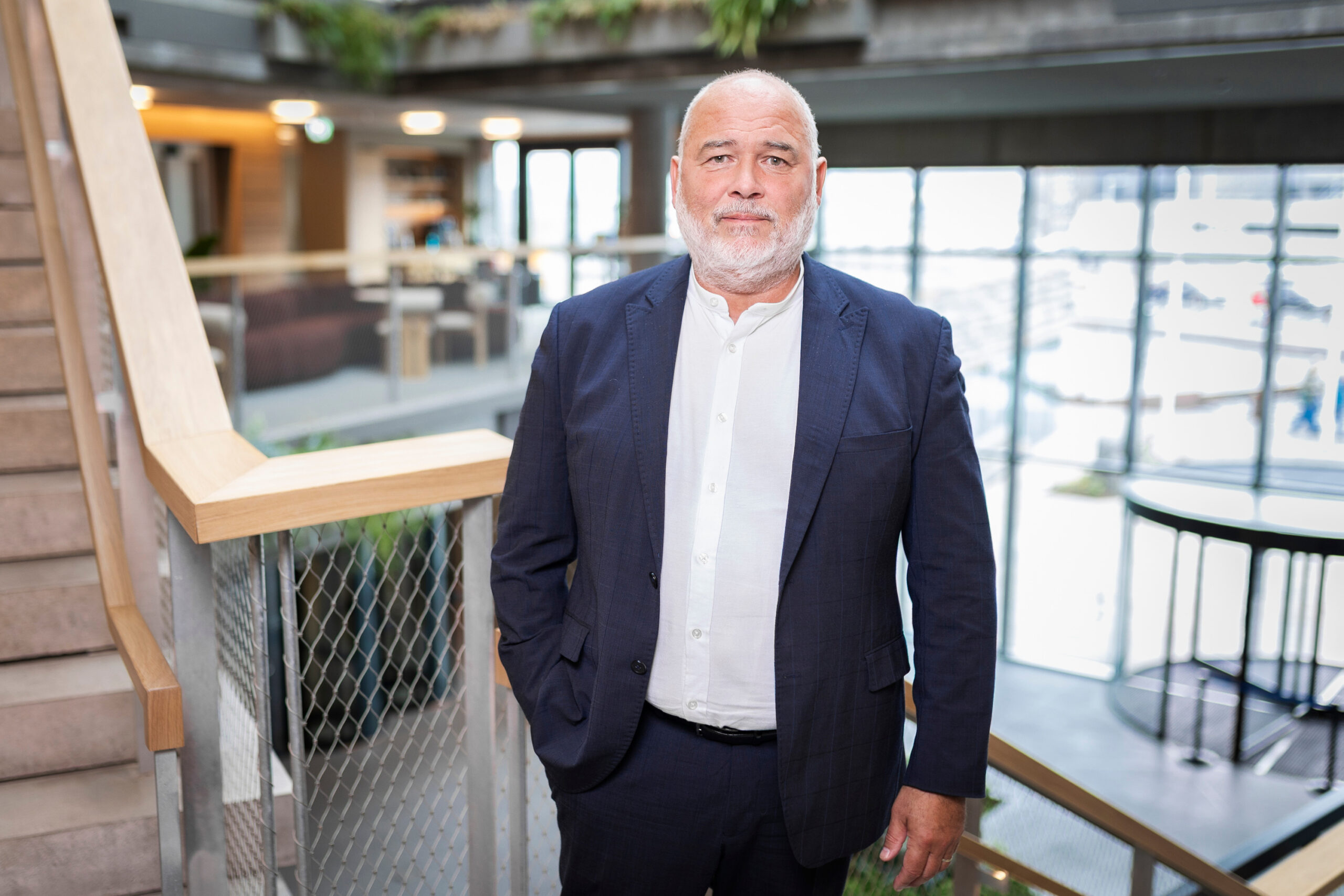
Logi Einarsson is a distinguished Icelandic politician who has been a central figure in Iceland’s social and economic policy. He is Minister of Culture, Innovation and Higher Education as well as Nordic Cooperation. He was also Chair of the Social Democratic Alliance and is an architect by profession.
In the current geopolitical climate, Iceland has assumed great significance given its strategic location in the Arctic, near vital shipping routes and its domestic industries of geothermal energy, unique historical culture and drive towards modern innovation.
As India prepares to host the Global AI Summit- the first of its kind in the Global South- the world’s eyes are on how emerging technologies can foster equitable growth. Among the prominent voices joining this dialogue is Einarsson.
In this exclusive interview with South Asian Herald, Einarsson discusses the synergy between India’s digital leadership and Iceland’s sustainable innovation. From the potential of green energy to power the AI revolution to the “living bridge” formed by the Indian diaspora in Reykjavik, Einarsson offers a vision of a partnership rooted in shared values and future-ready technology.
The Global AI Summit: A Platform for Equity
The upcoming Global AI Summit in India represents a pivotal moment for international cooperation. For Mr. Einarsson, the venue is as significant as the subject matter. “I will be honored to attend the summit, the first of its kind in the Global South,” he reflects. He notes that as AI technology advances, a “global AI divide” has continued to grow, disproportionately affecting developing nations.
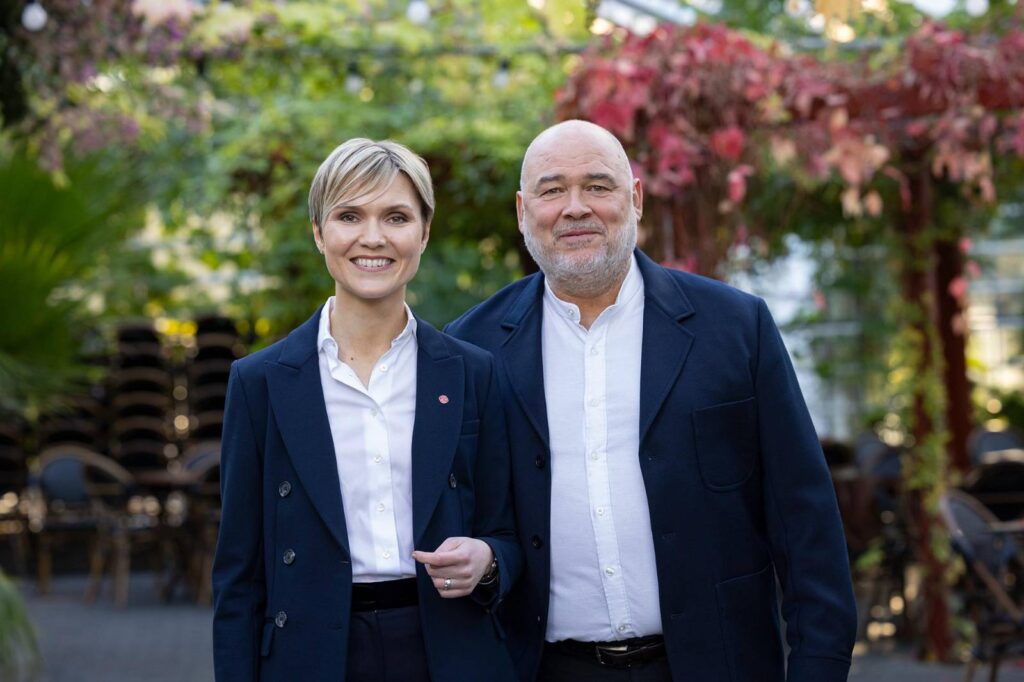
“AI is a generation-changing, global technology. As such, any single nation-state cannot dictate its future,” Einarsson asserts. He believes venues like this summit are critical to ensuring the “equitable, fair, and responsible development of AI,” while exploiting its potential to accelerate socioeconomic growth globally.
Investment Opportunities: The Icelandic Advantage
Beyond the summit, the conversation turned to the burgeoning opportunities for Indian investors in Iceland. Einarsson highlights a unique ecosystem that blends stability with sustainability. “Iceland is uniquely equipped to be a participant at the forefront in the global AI race,” he explains.
He points to a secure and resilient electrical and communication infrastructure, a highly educated workforce, and an ideal climate for data-heavy activities. Most importantly, he emphasizes the foundation of “100% sustainable green energy” that underpins all AI deployment and development in Iceland. For Indian companies looking to scale responsibly, Iceland offers a “stable, business-friendly environment” within the European Economic Area, providing a strategic gateway to European markets.
Scaling Innovation: From Biotech to Medtech
Iceland’s success in fostering global leaders is well-documented, with companies like Össur, deCODE Genetics, and Kerecis setting international benchmarks. When asked about the secret behind this “Icelandic model,” Einarsson attributes it to a culture that supports innovation from the ground up.
“The Icelandic government and the business environment provide a supportive framework for startups, enabling them to grow from small innovators to global players,” he says. He suggests that Indian startups could find great value in Iceland’s specialized sectors, particularly in biotechnology and medical technology, where “mutual learning and investment” could yield high returns.
The Diaspora and Cultural Exchange
The human element of the India-Iceland relationship is perhaps its strongest asset. Einarsson speaks warmly of the Indian community in Iceland, describing them as “a vibrant and growing part of our society.” He notes their contributions across various sectors—from healthcare and technology to the culinary arts—which have enriched the local culture and strengthened the economy.
Culture, he believes, is the bedrock of diplomacy. Expressing a deep appreciation for Indian history and literature, he mentions the global impact of figures like Rabindranath Tagore, as well as modern masters like Salman Rushdie and Arundhati Roy. Looking ahead, Einarsson sees a role for technology in deepening these ties: “I have expectations that AI can accelerate that process through automatic translation, making more Icelandic works available in the Indian market and vice versa.”
Strategic Cooperation: TEPA and Beyond
The signing of the Trade and Economic Partnership Agreement (TEPA) between India and the European Free Trade Association (EFTA) marks a new chapter in bilateral relations. Einarsson characterizes the current cooperation as strong, particularly in multilateral forums.
“There has been mutual interest in terms of sustainable development initiatives in India and green technology innovation and geothermal expertise in Iceland,” he notes. As national competitiveness becomes increasingly tied to AI, the energy-intensive nature of the technology underscores the importance of Iceland’s green energy expertise. “Maintaining this momentum,” Einarsson concludes, “is essential for a trajectory where sustainable thinking and green energy development shape the global future.”
Related posts:
 17 New Faces: A Look At the Newest Ambassadors on DC’s Embassy Row
 Exclusive: United Nations Leadership to Join India-AI Impact Summit 2026 as Global South Shapes AI Governance Dialogue
 In Conversation with Rajesh Mehta: Abhishek Singh, CEO, IndiaAI Mission on India’s Global AI Vision
 In Conversation with Rajesh Mehta: High Commissioner Dinesh Patnaik